









Where the road actually goes
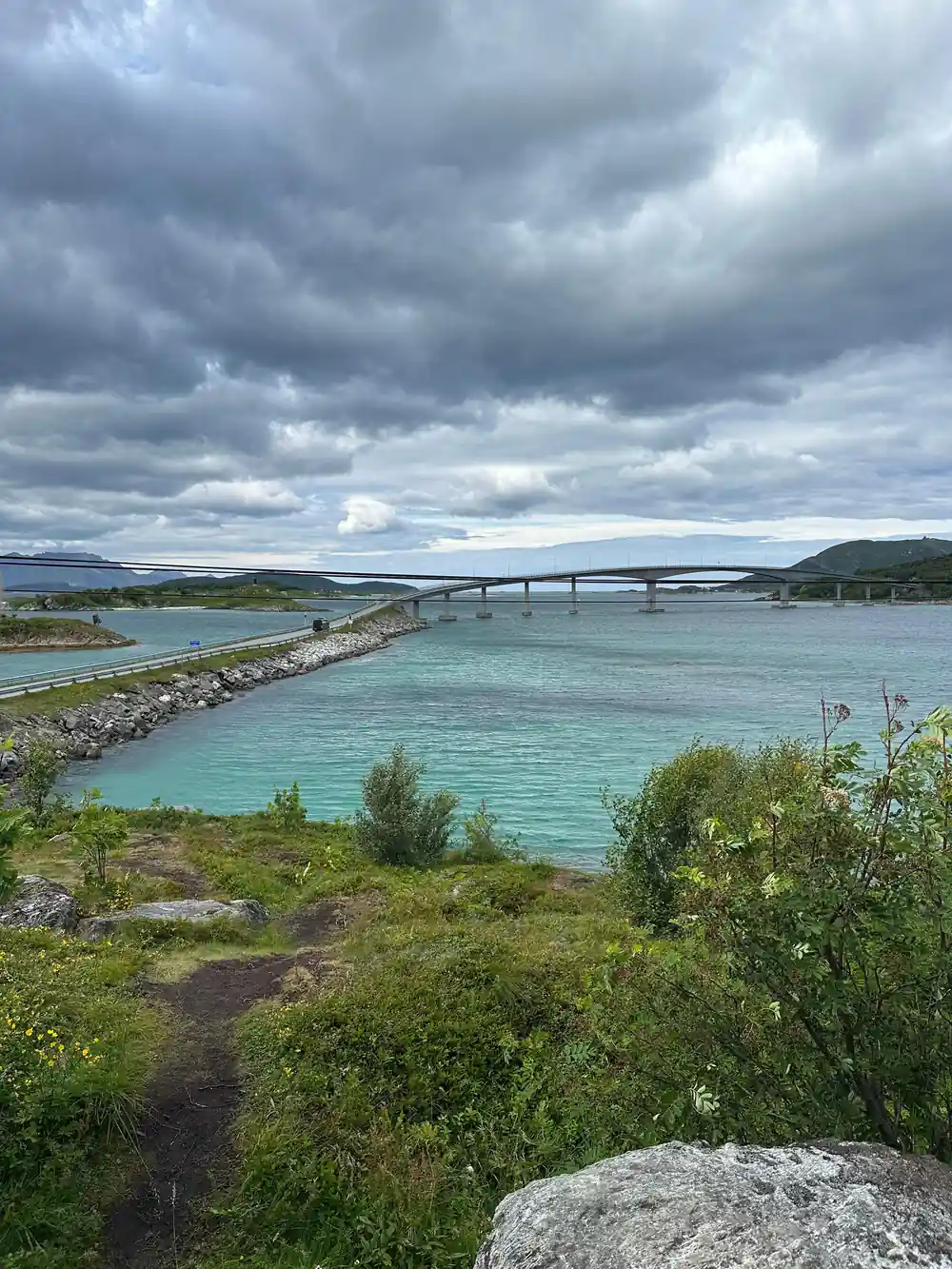
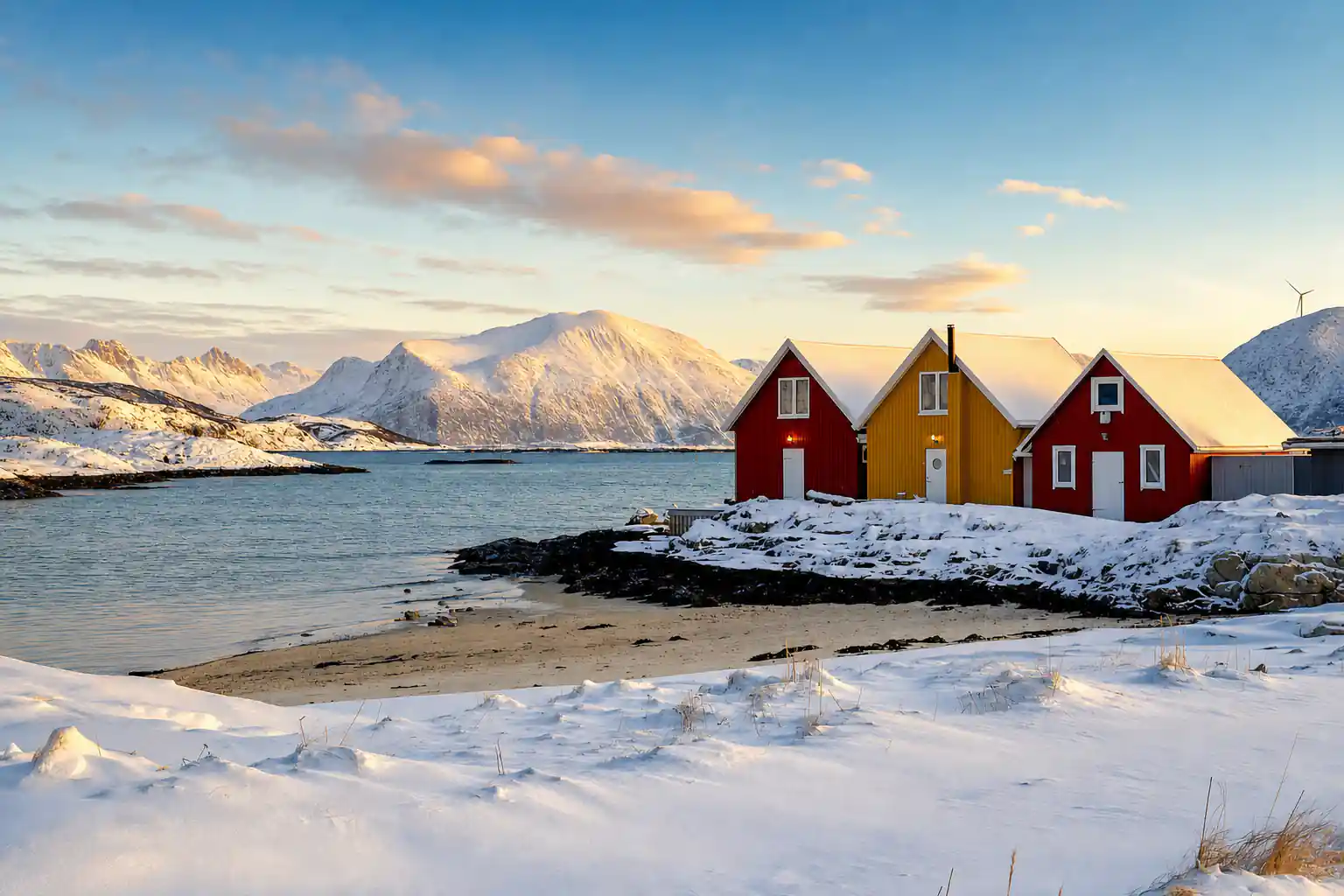
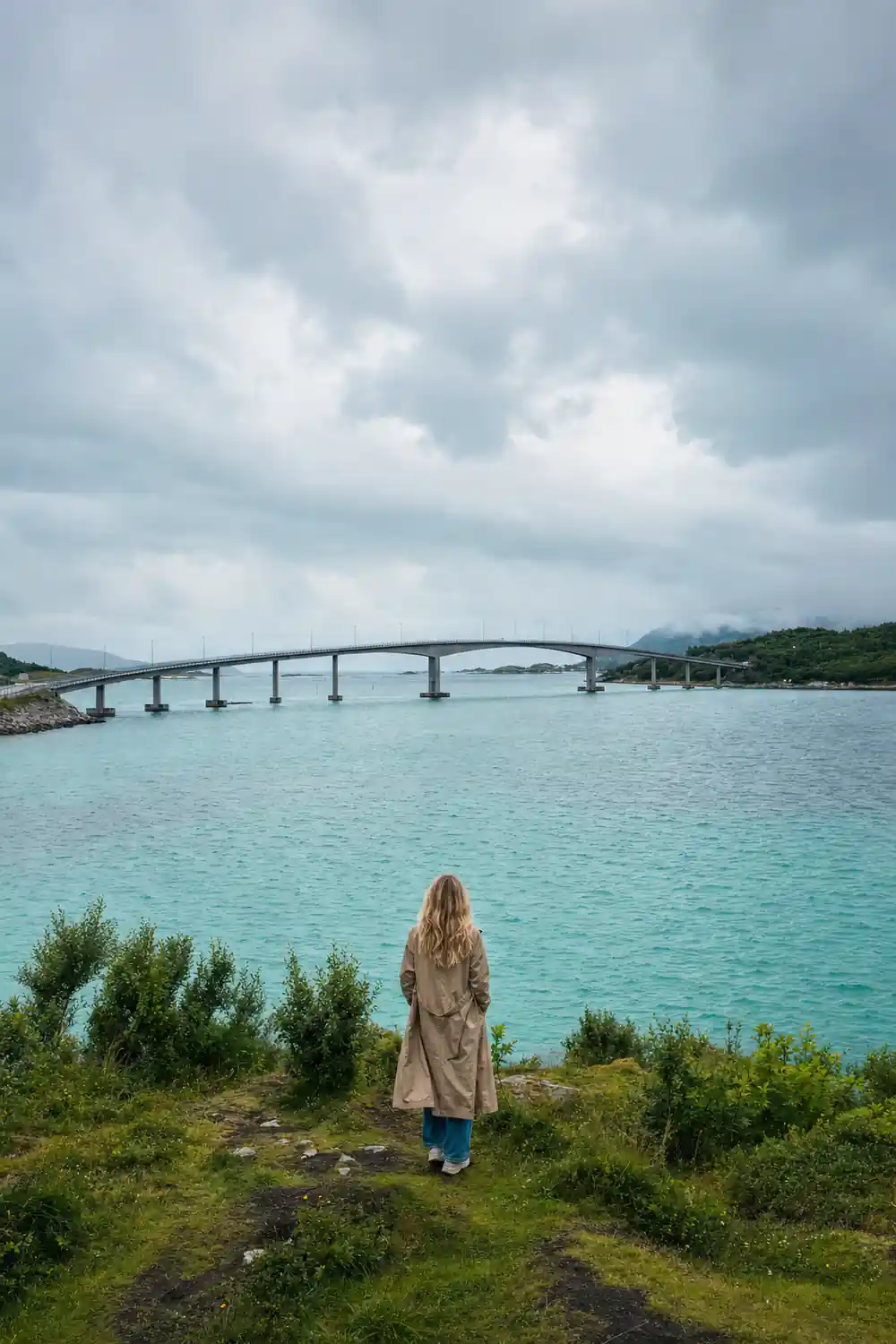
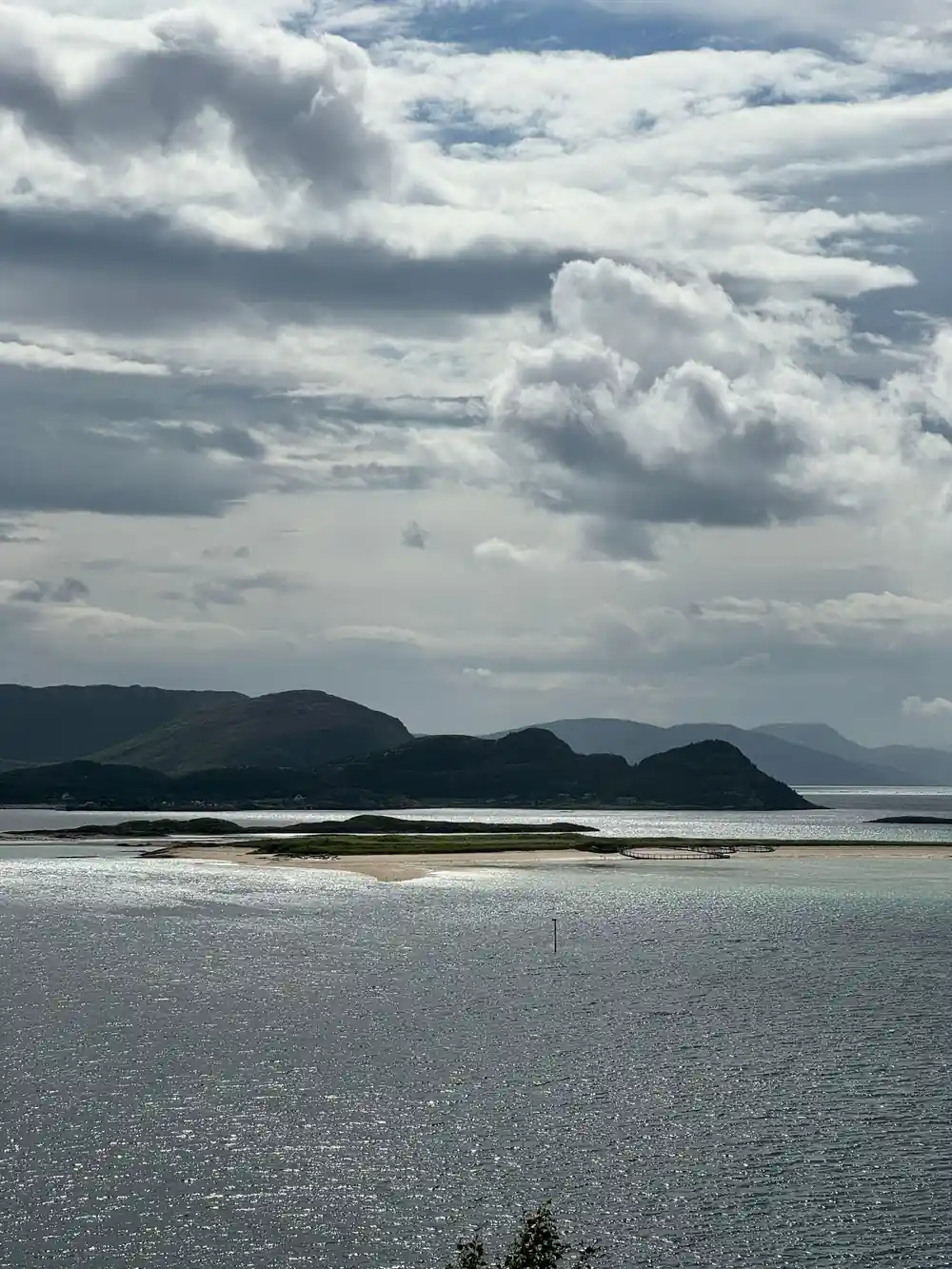
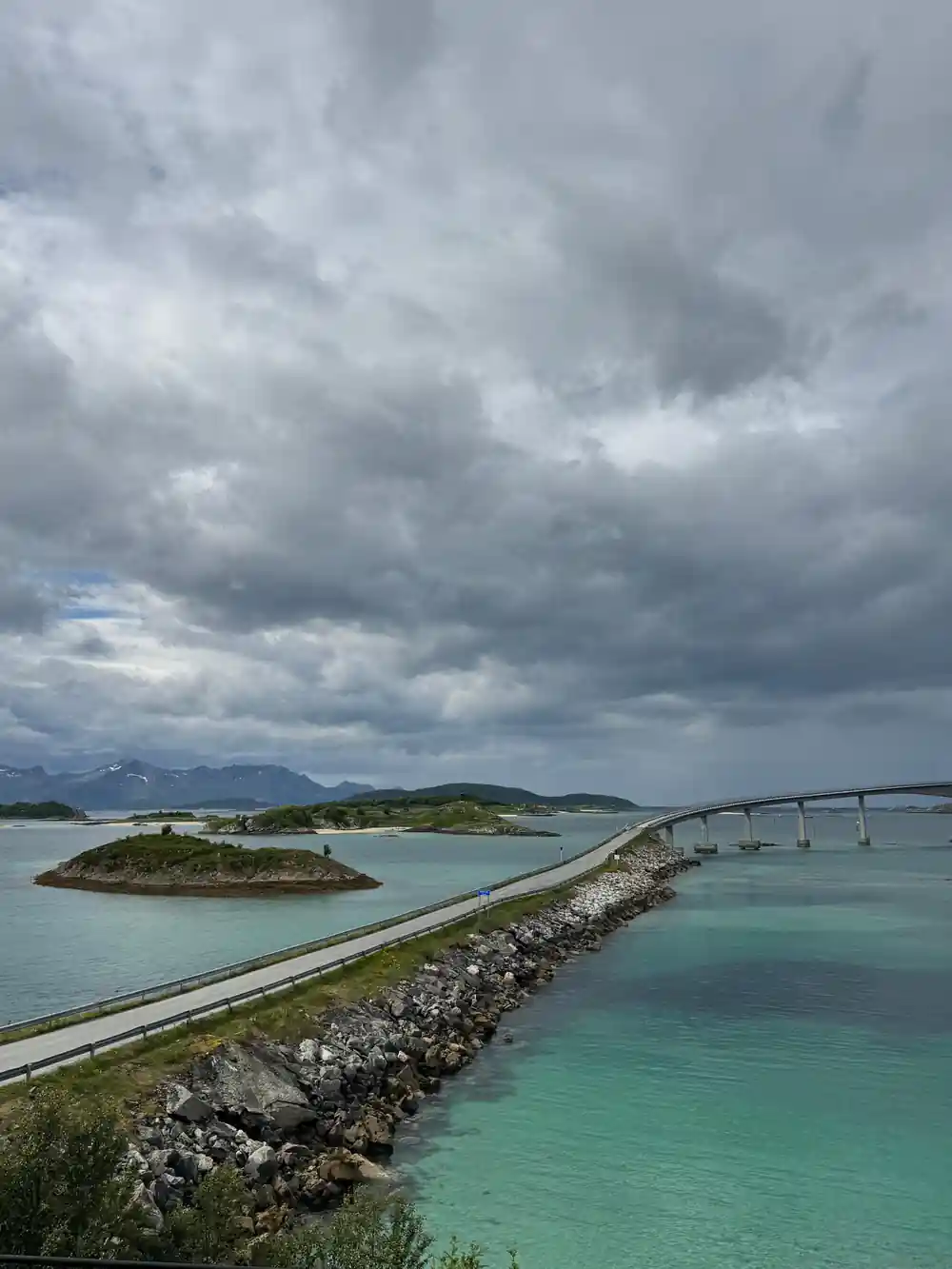
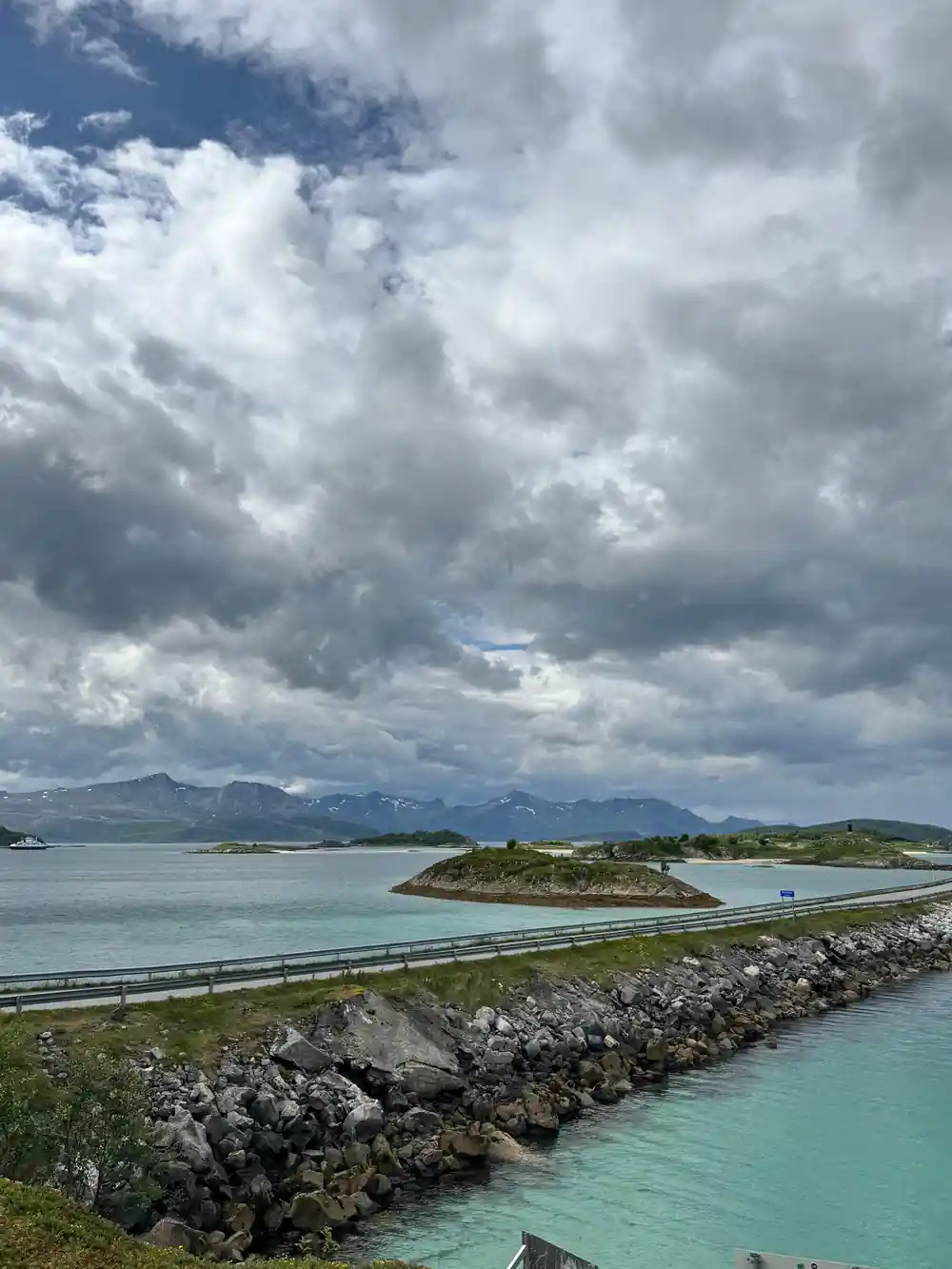
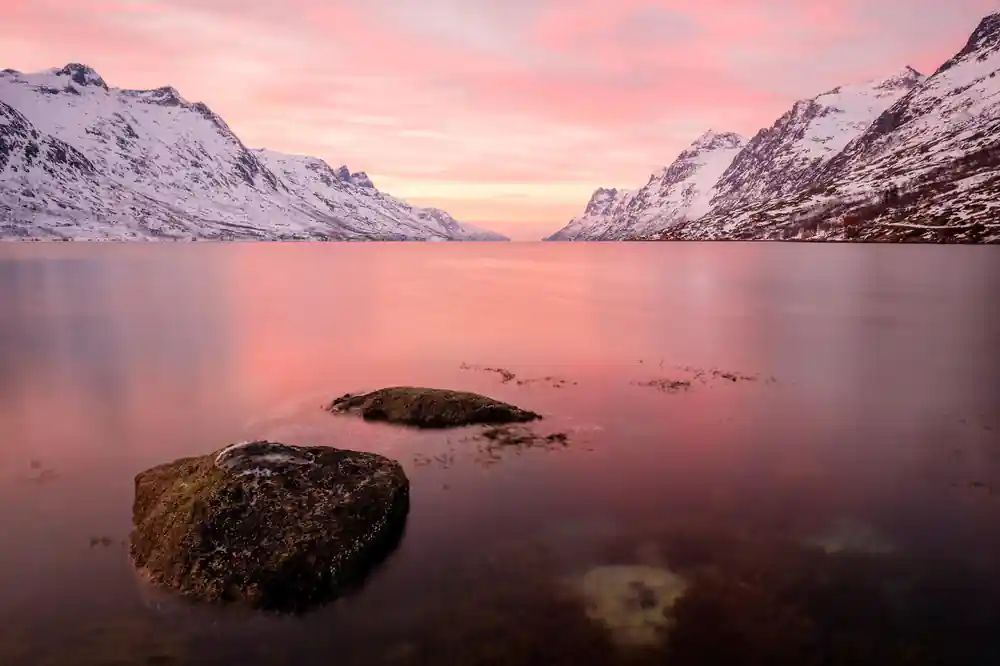
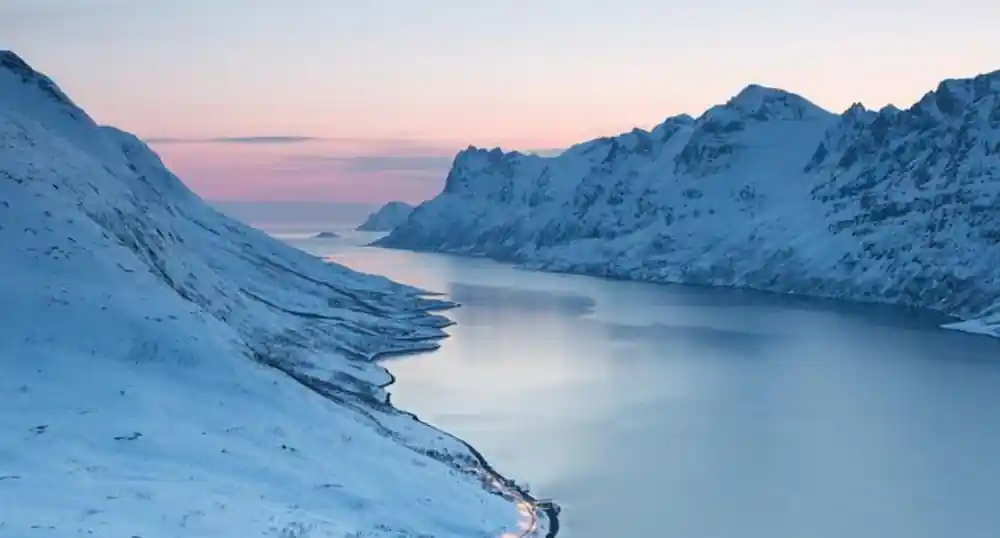
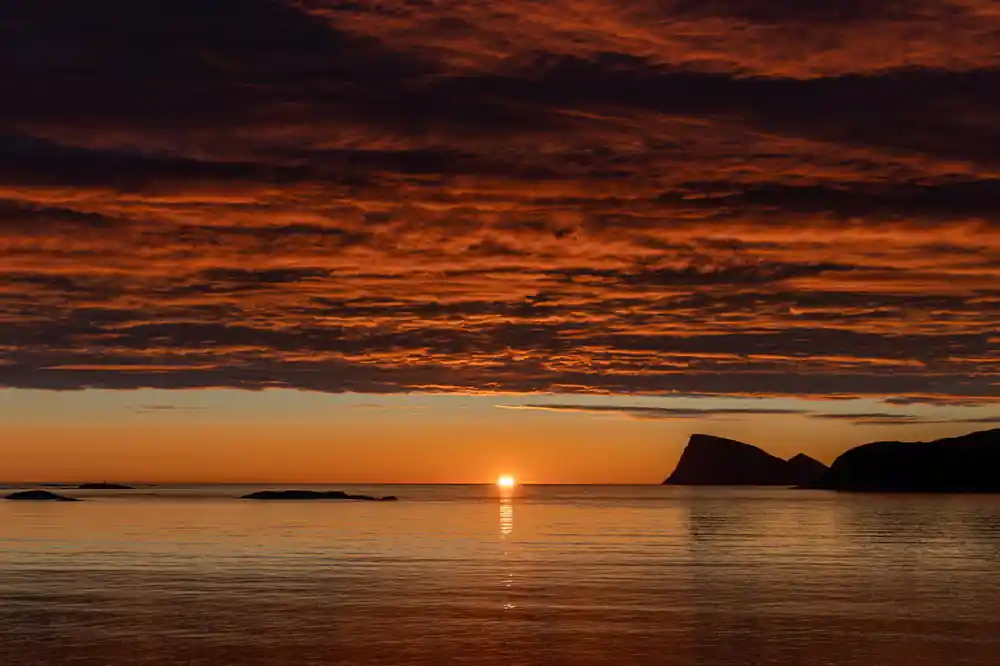
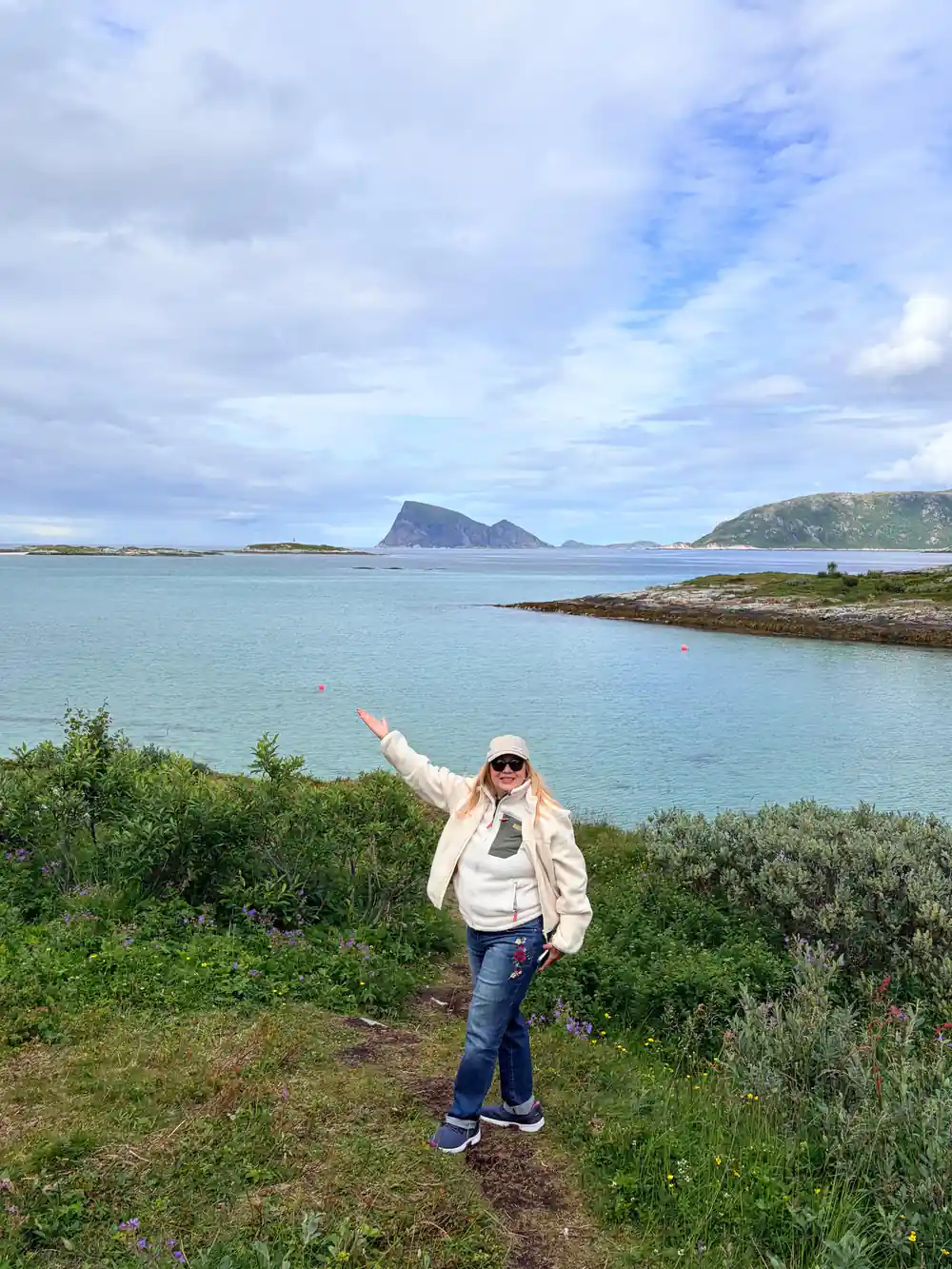
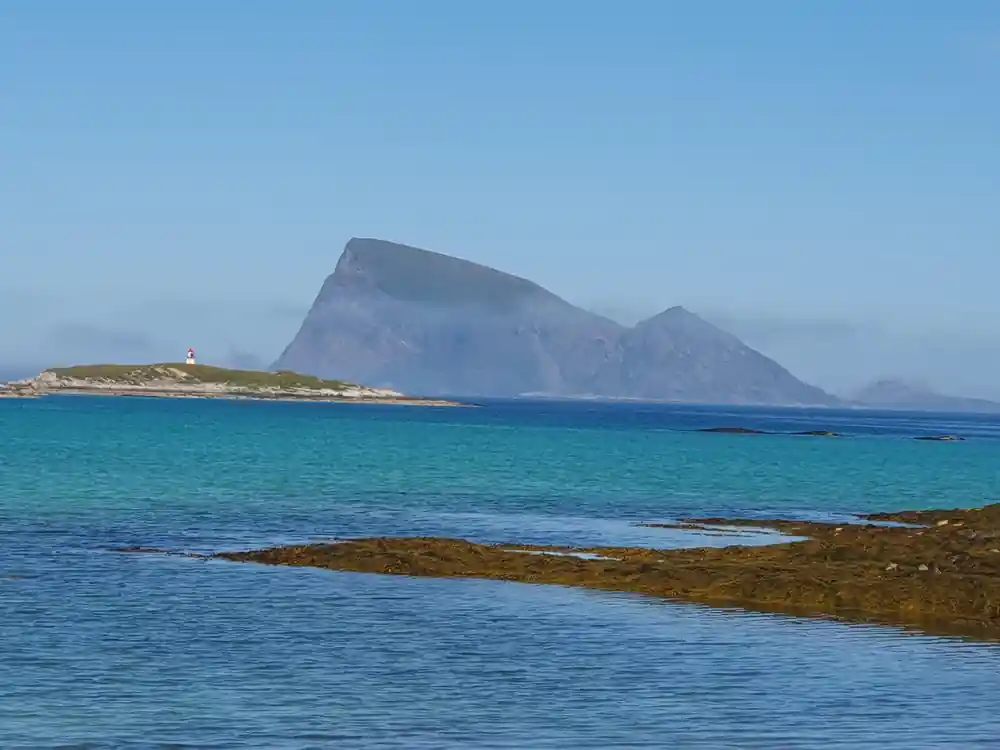
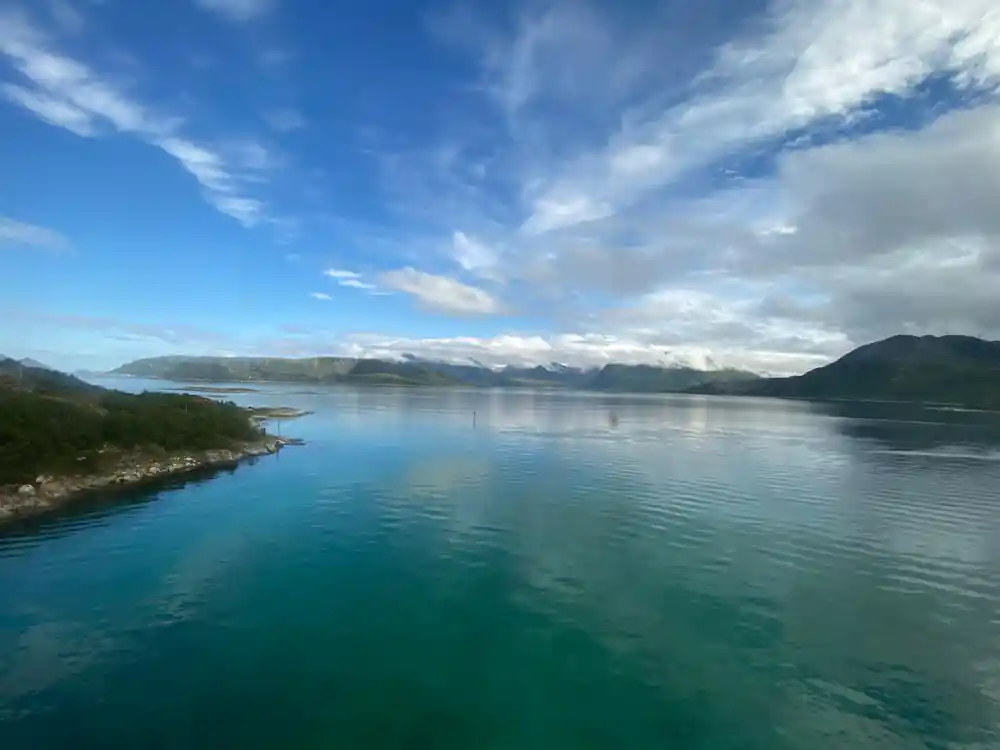
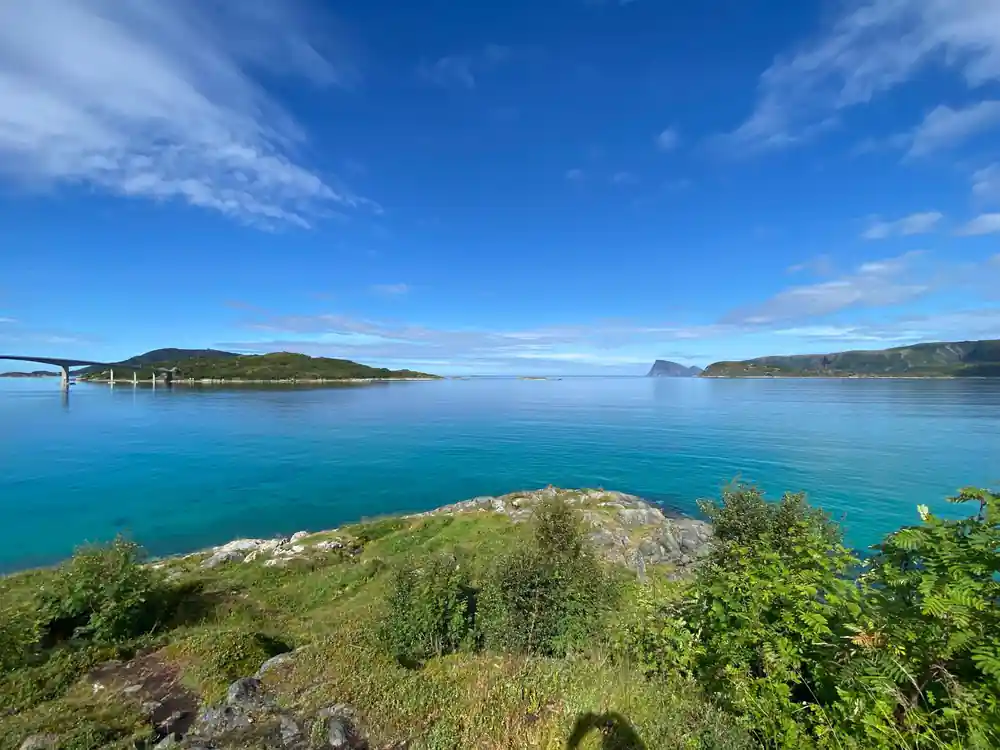
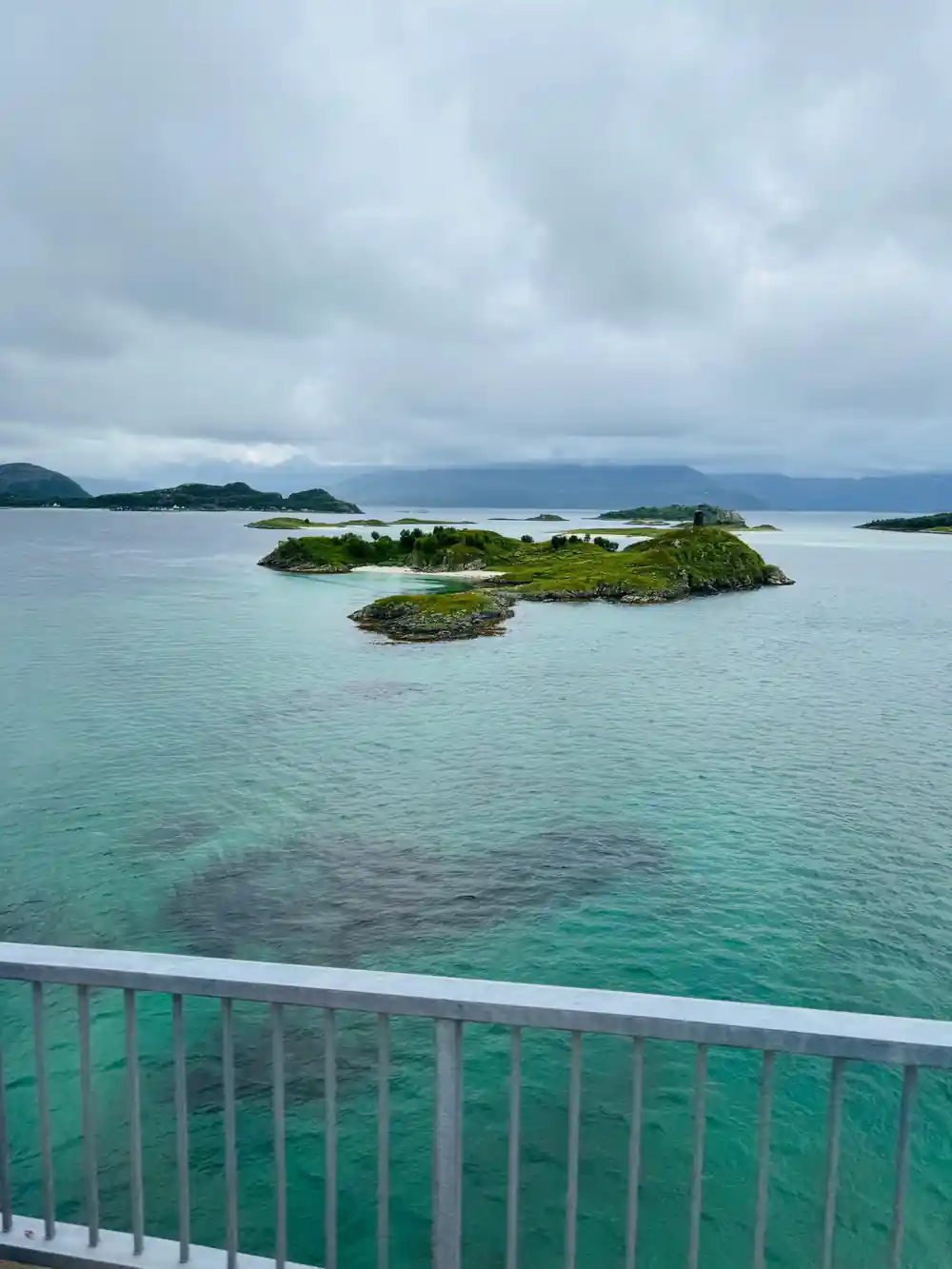
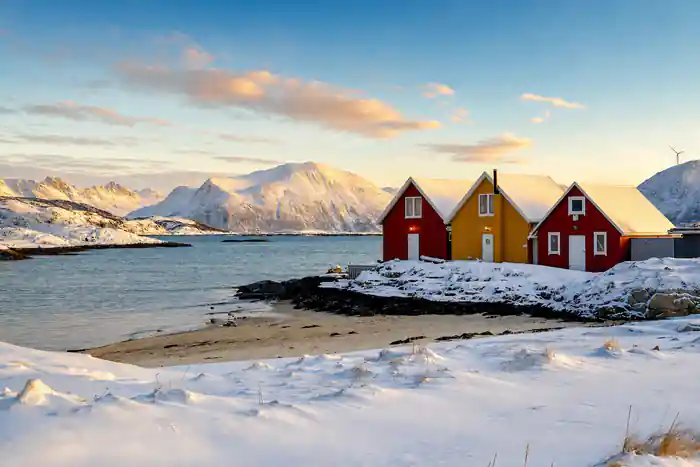
Tromso sits on an island, and west of it the land breaks up entirely into an archipelago that runs out toward the open Norwegian Sea. The route follows that chain, crossing to Kvaloya, the large whale island, and then working out along its coast to the small islands beyond, until it reaches Sommaroy at the far end.
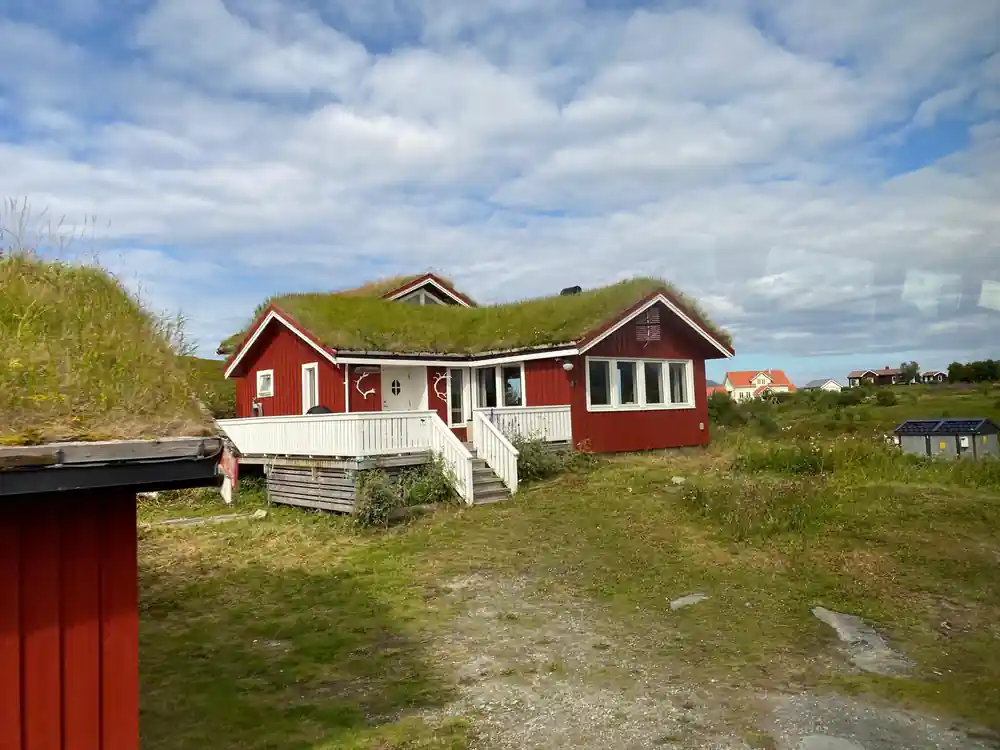
That progression is most of the pleasure of the day. You start in a city, pass through suburbs and then farmland, and by the end you are on a bare rocky island with a few hundred people on it and nothing beyond but water. The bridges and causeways that make it possible are worth looking at in their own right.
The beaches, which do not look Arctic
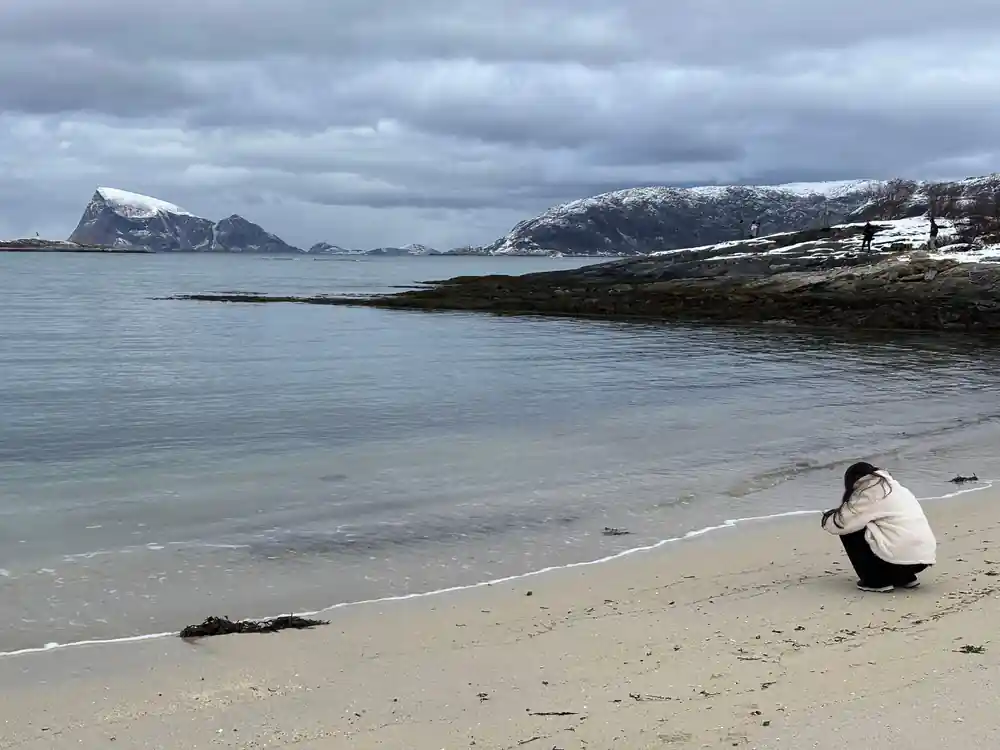
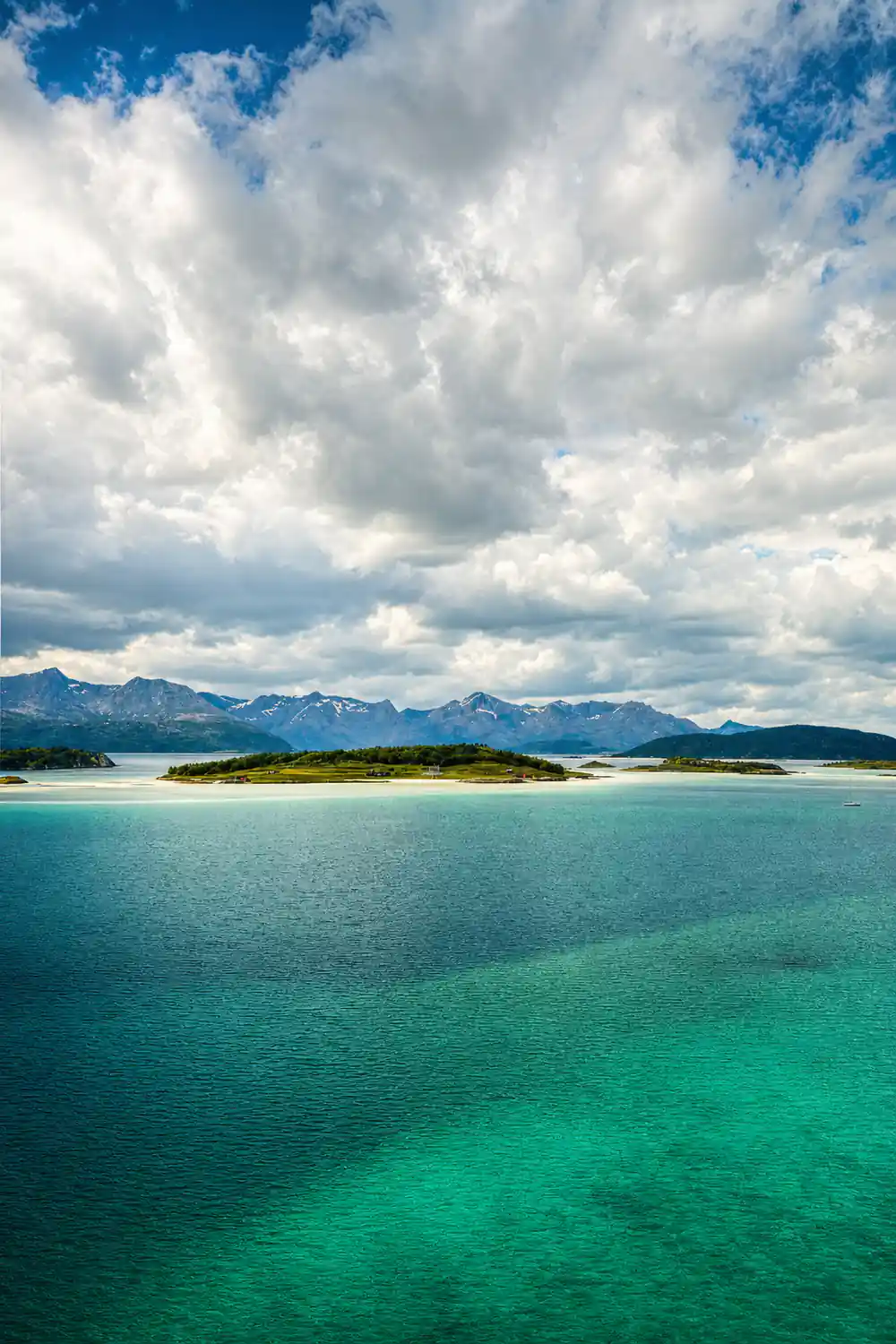
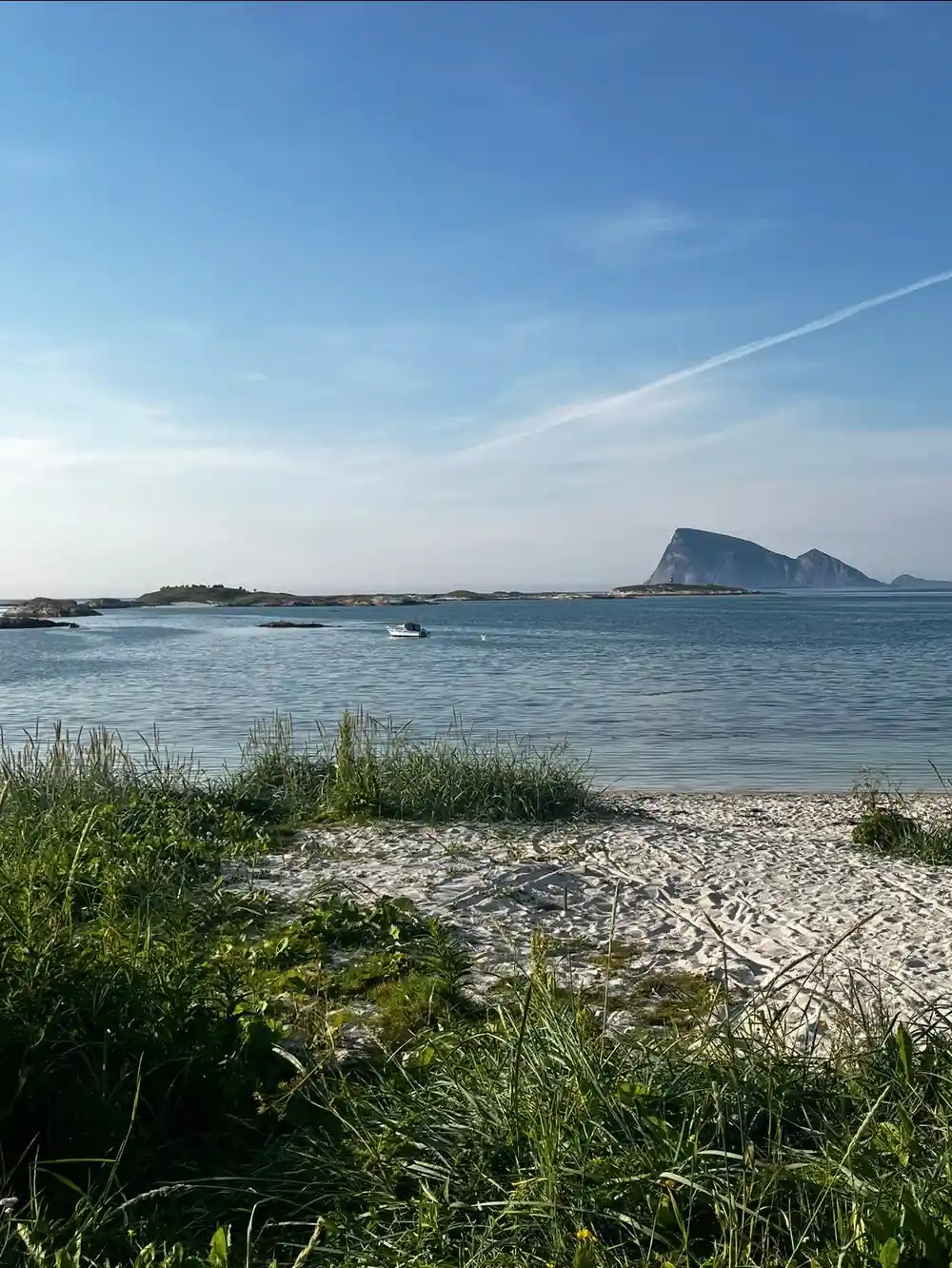
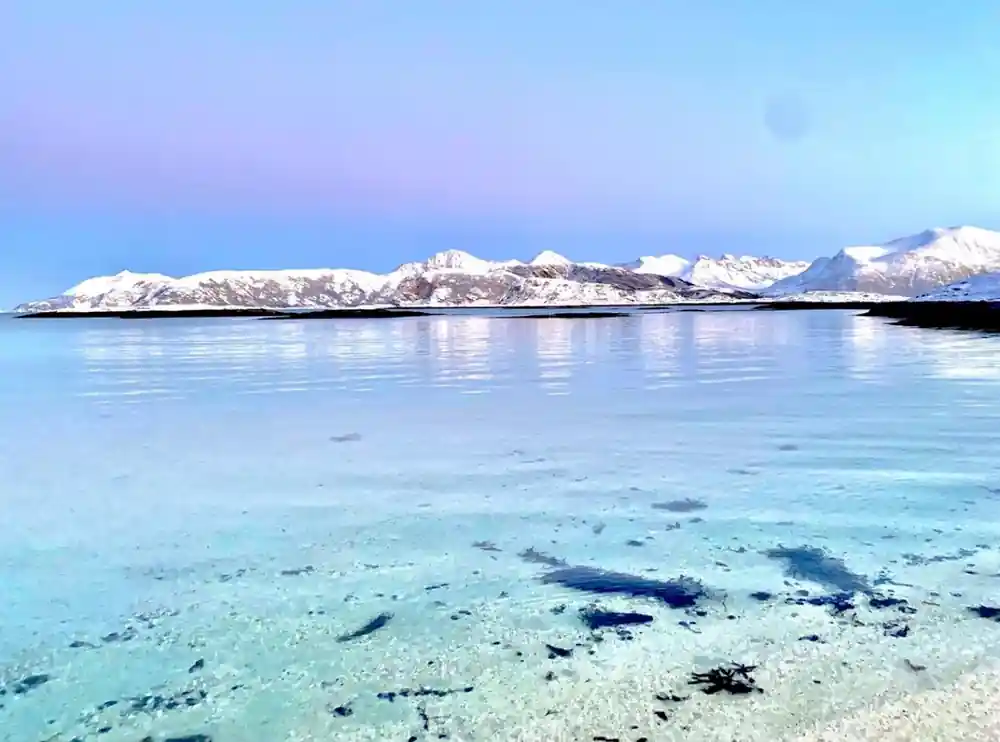
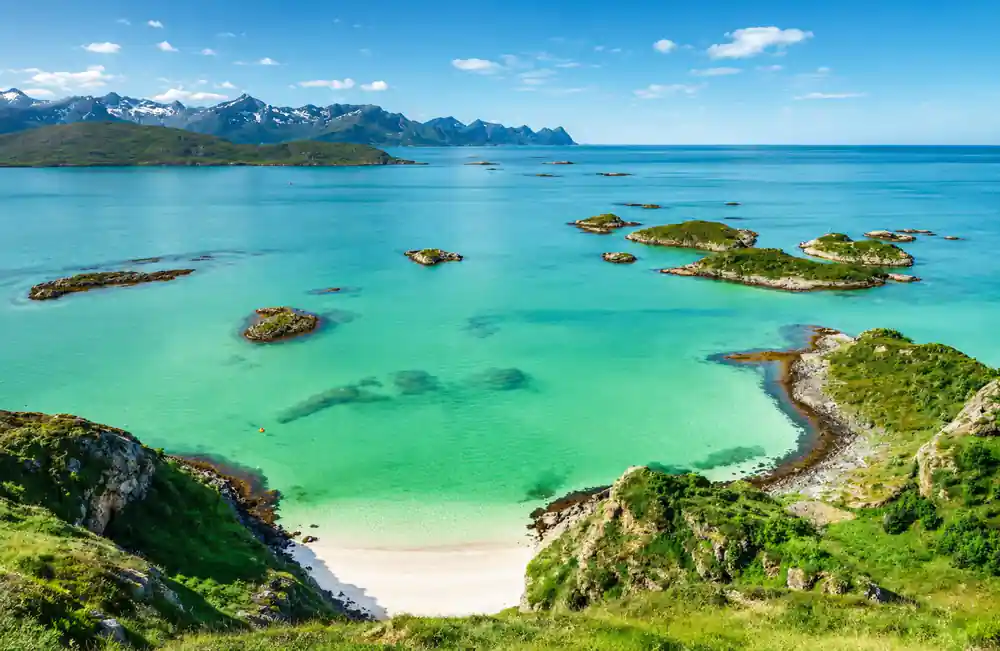
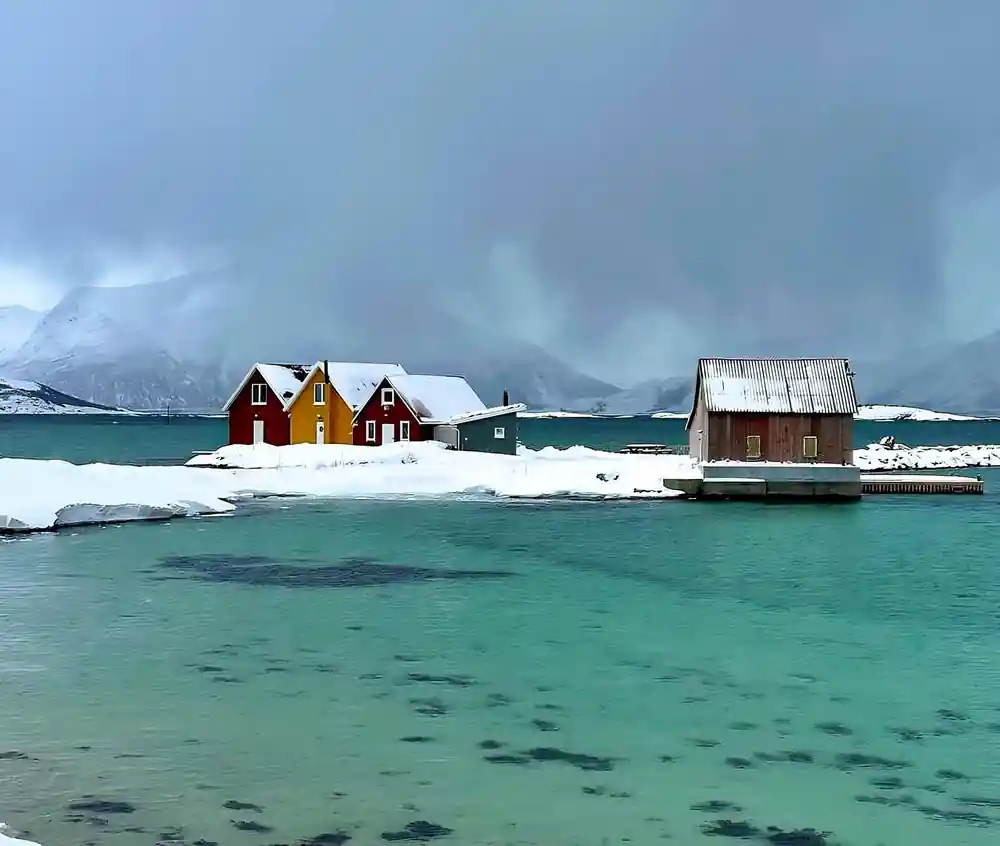
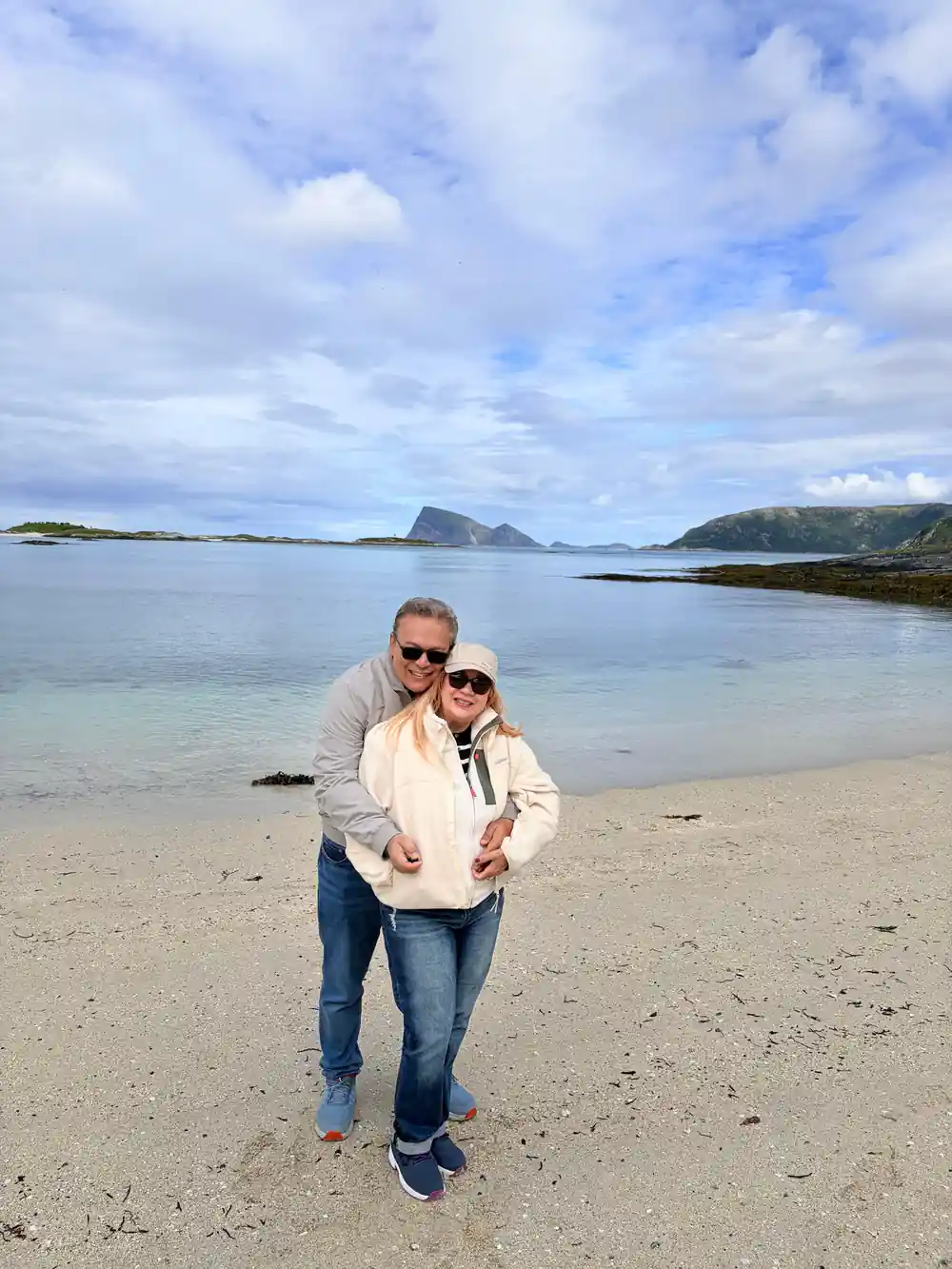
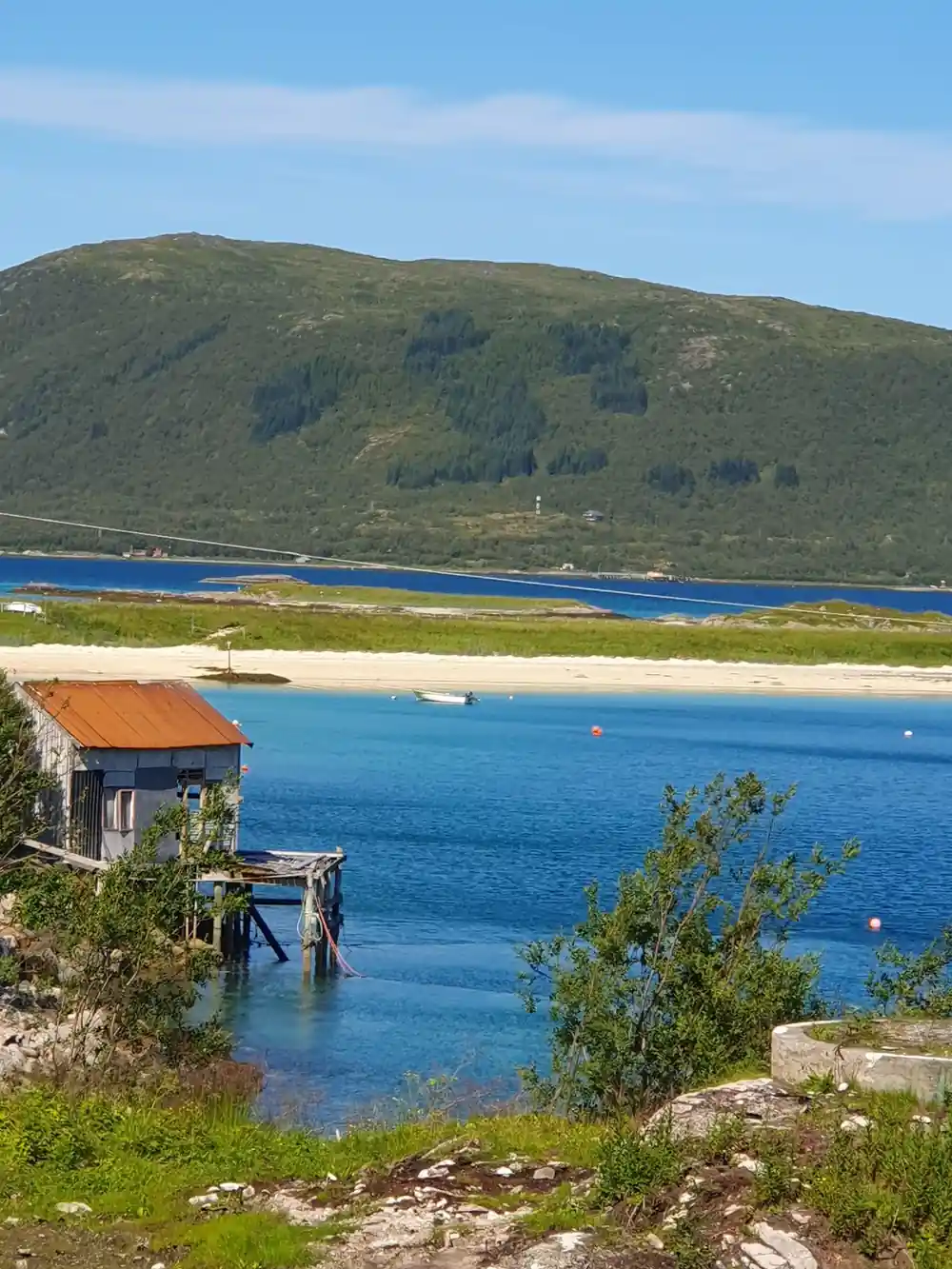
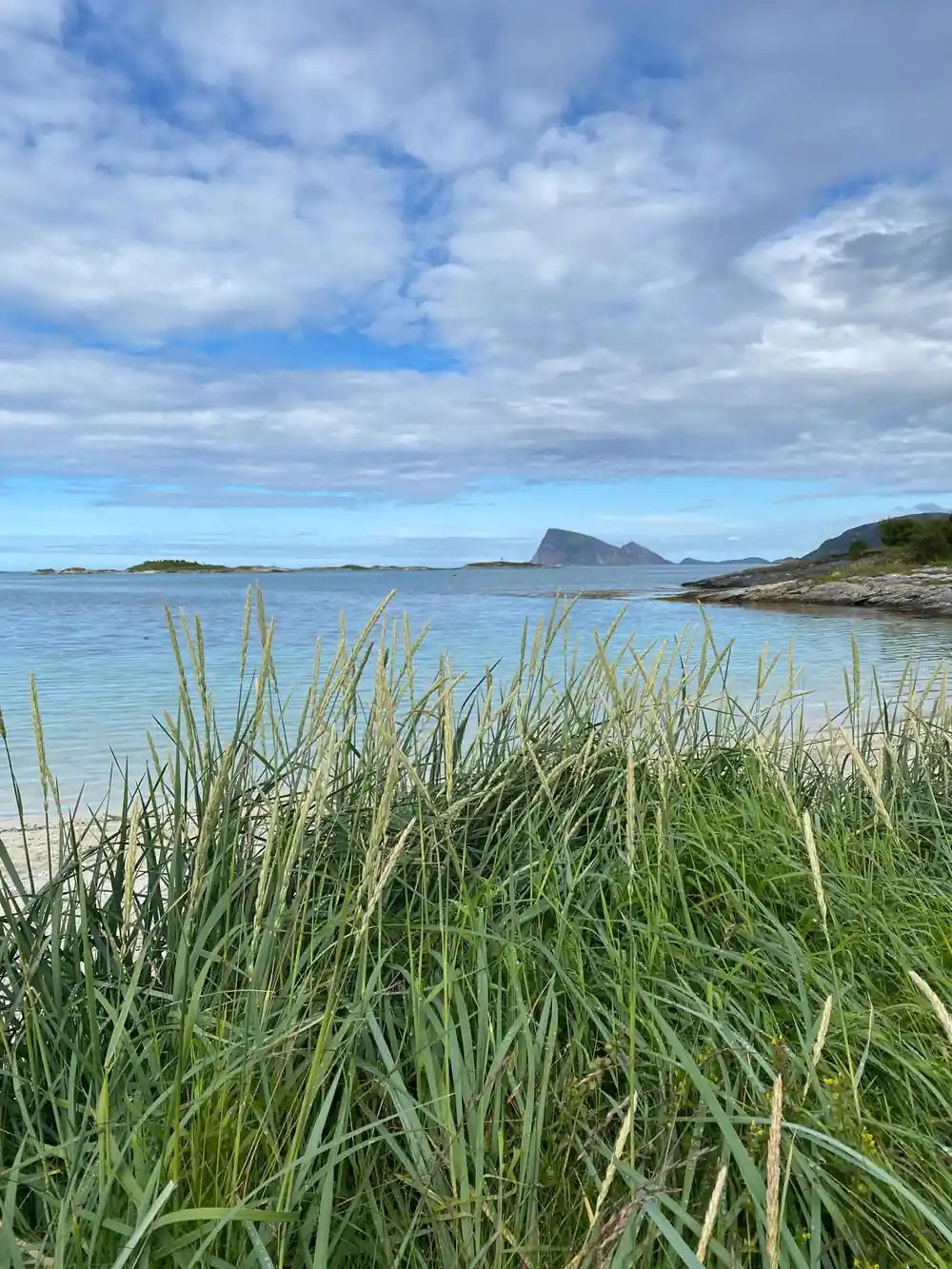
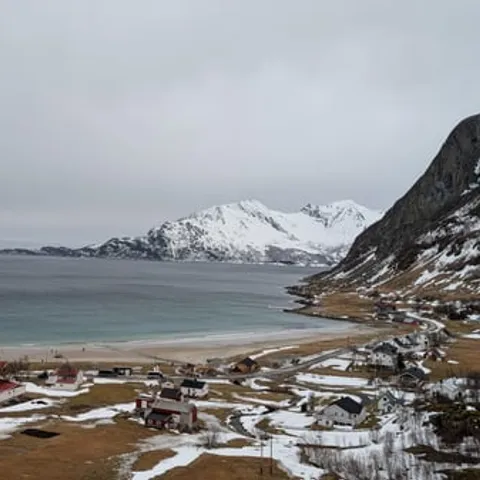
The thing everybody comes for and struggles to believe until they see it. Sommaroy has genuine white-sand beaches with water that runs from clear to a startling turquoise over the shallows, and photographs of it are routinely accused of being somewhere tropical.
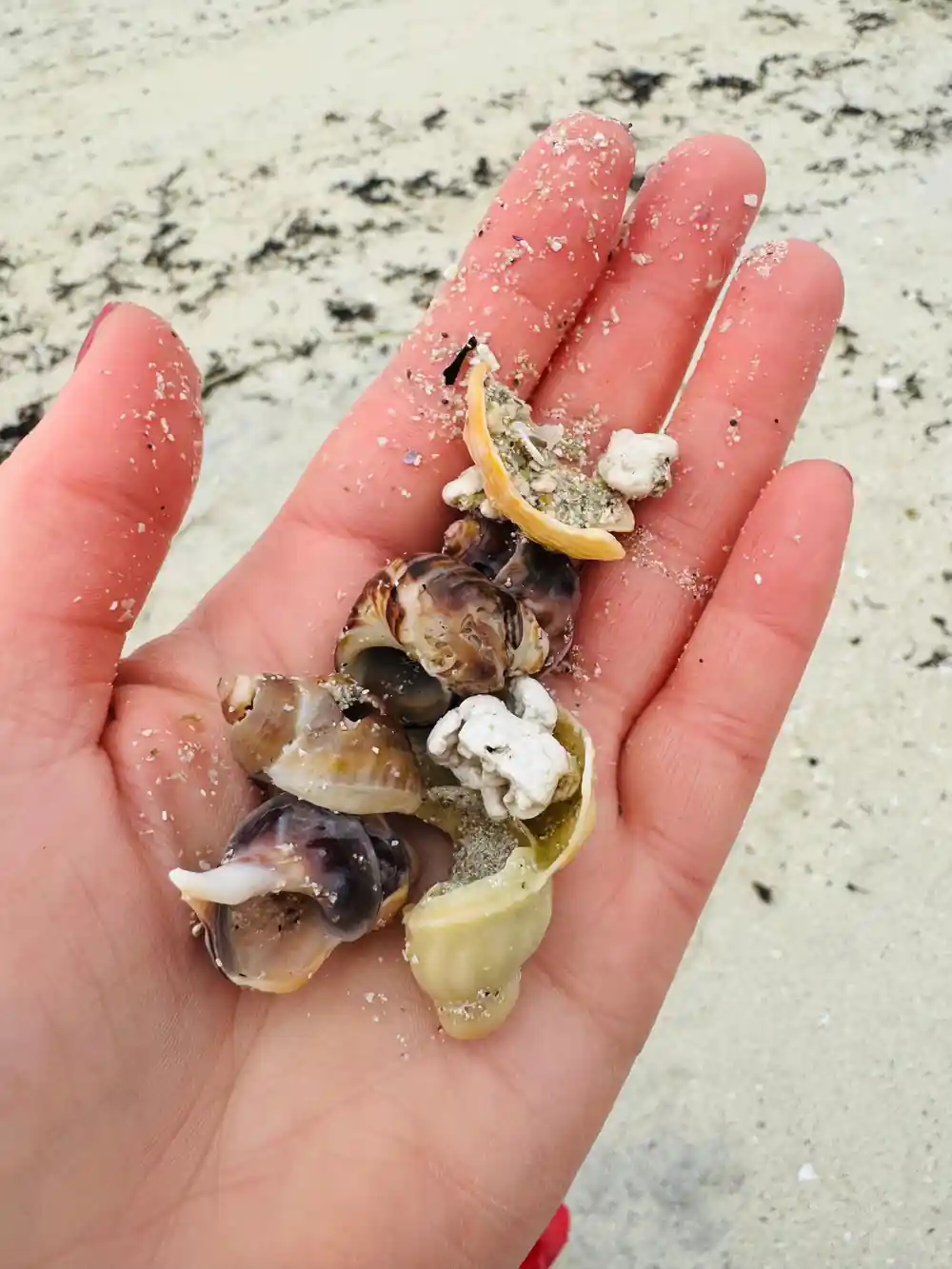
The reason is straightforward. The sand is ground-down shell and light-coloured rock rather than dark volcanic material, and the water is exceptionally clear because there are no rivers here carrying silt. Shallow water over pale sand reads as turquoise anywhere on earth, including at seventy degrees north with snow on the mountains behind you.
The picnic on the sand
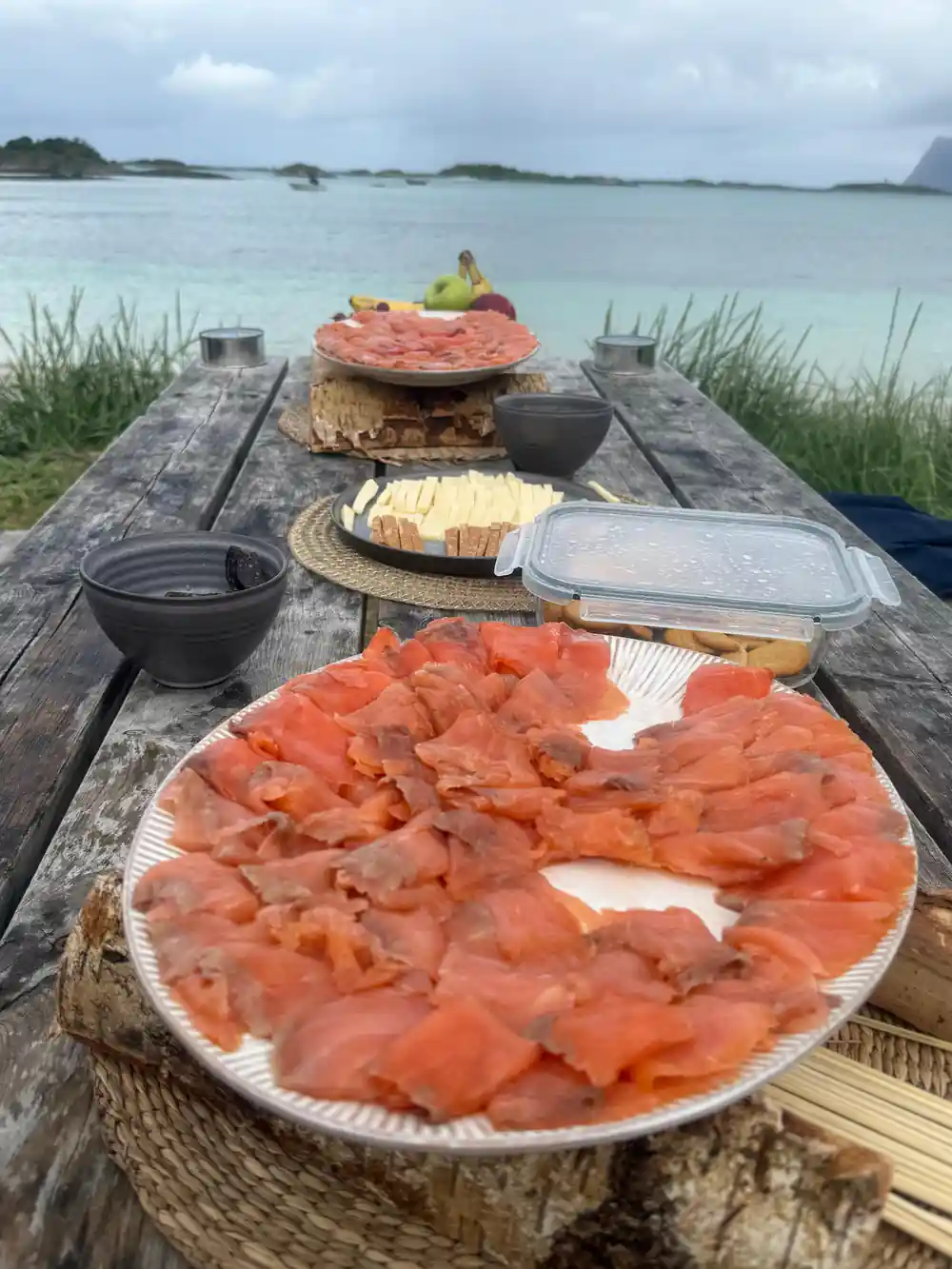
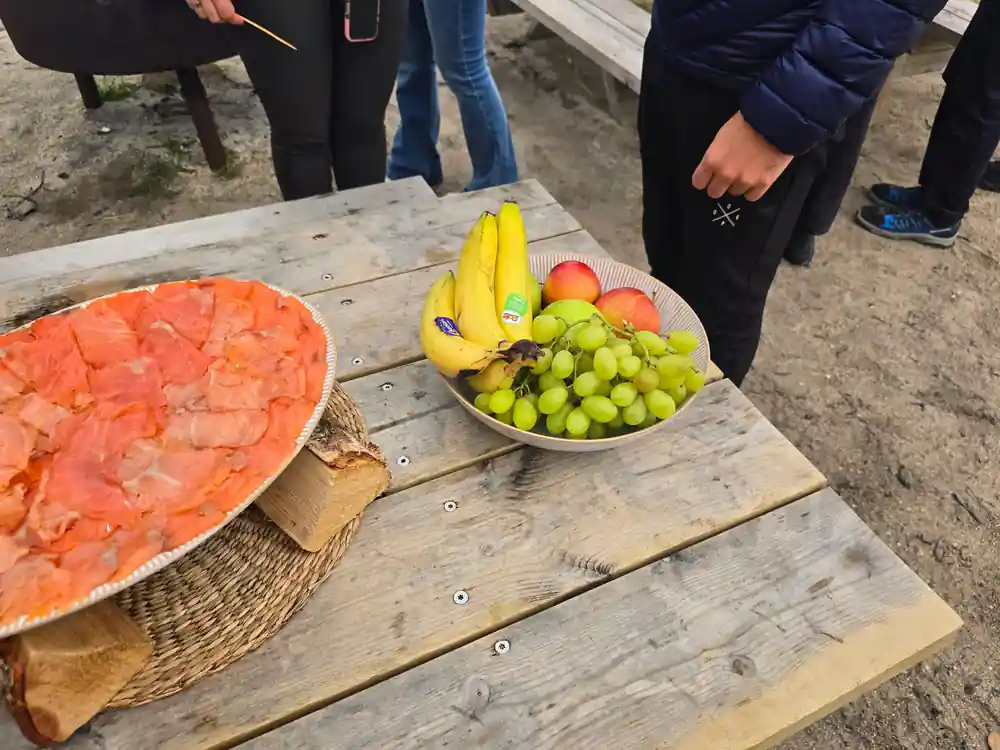
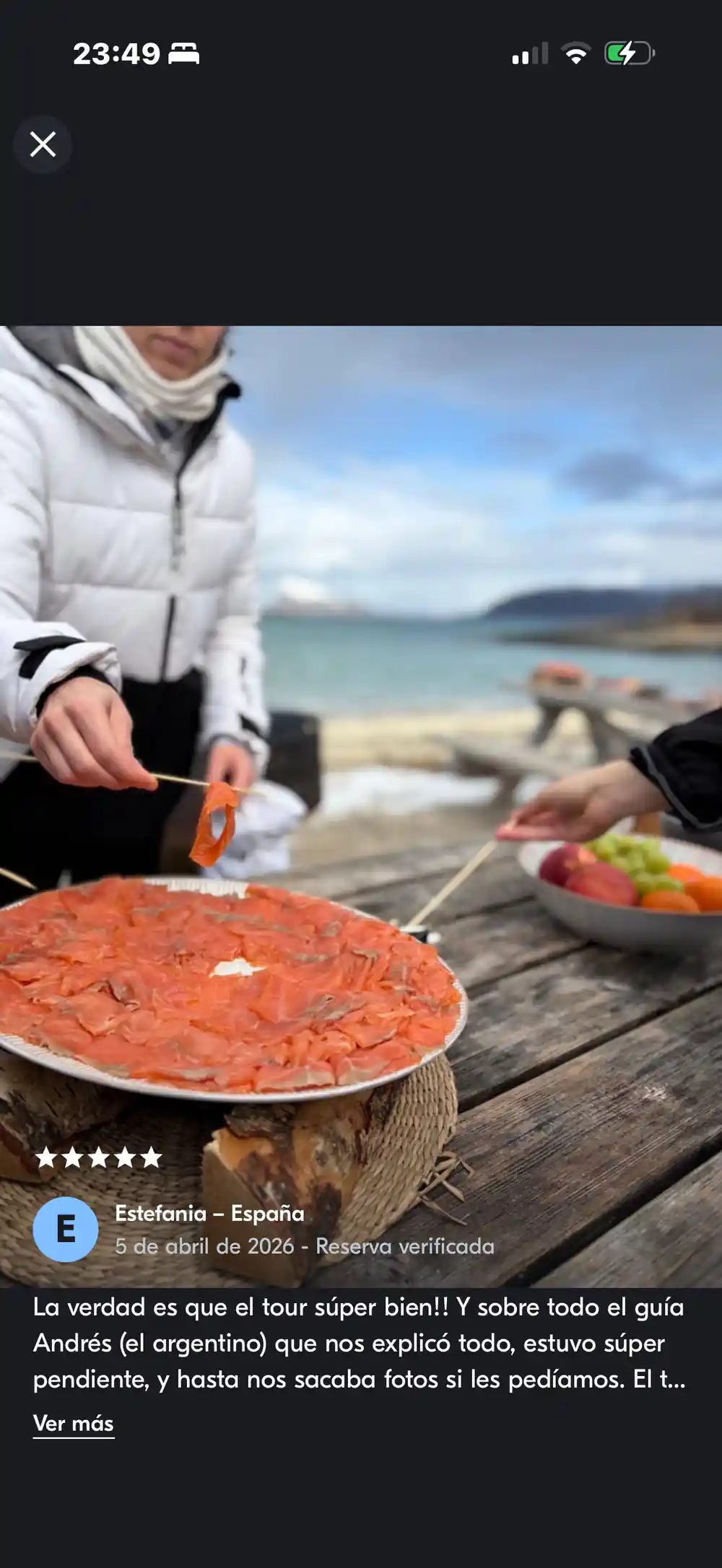
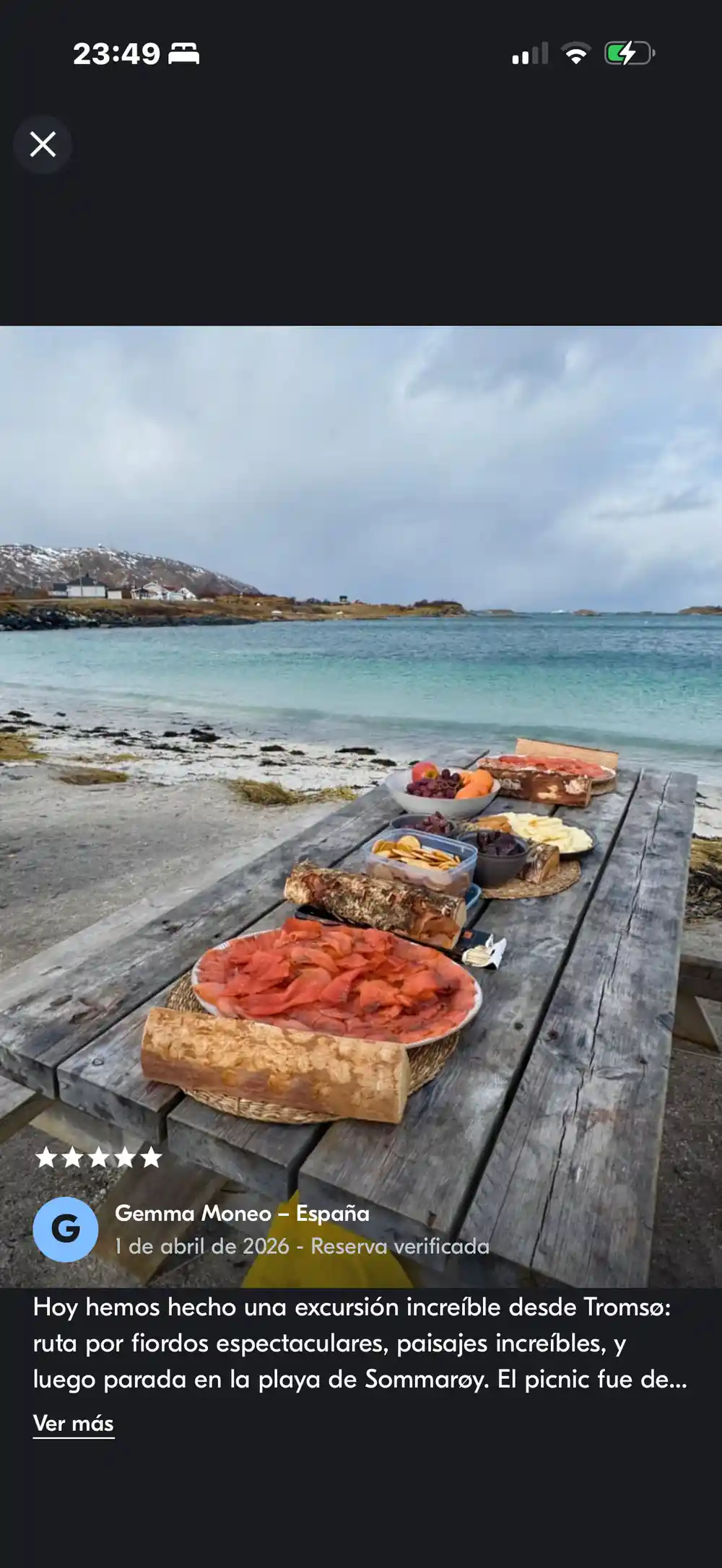
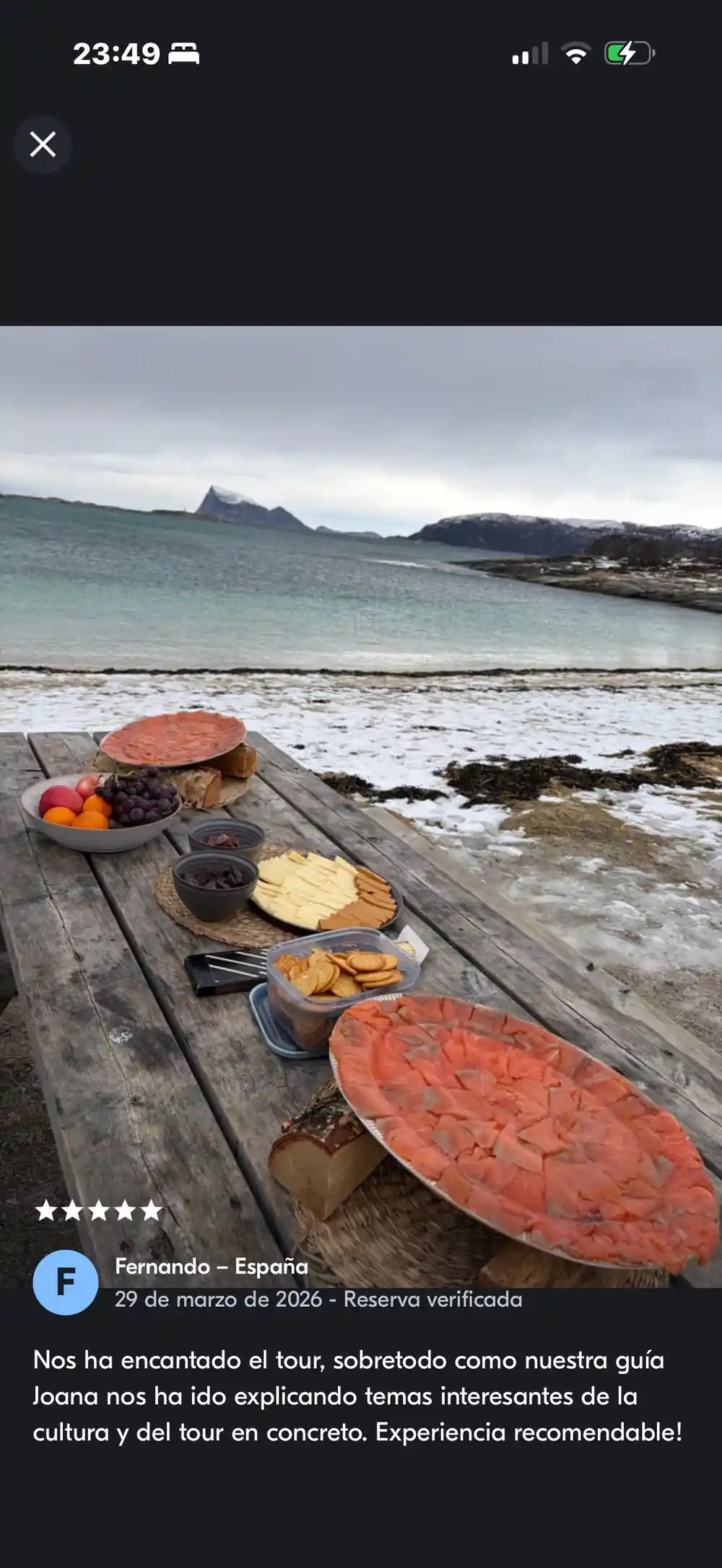
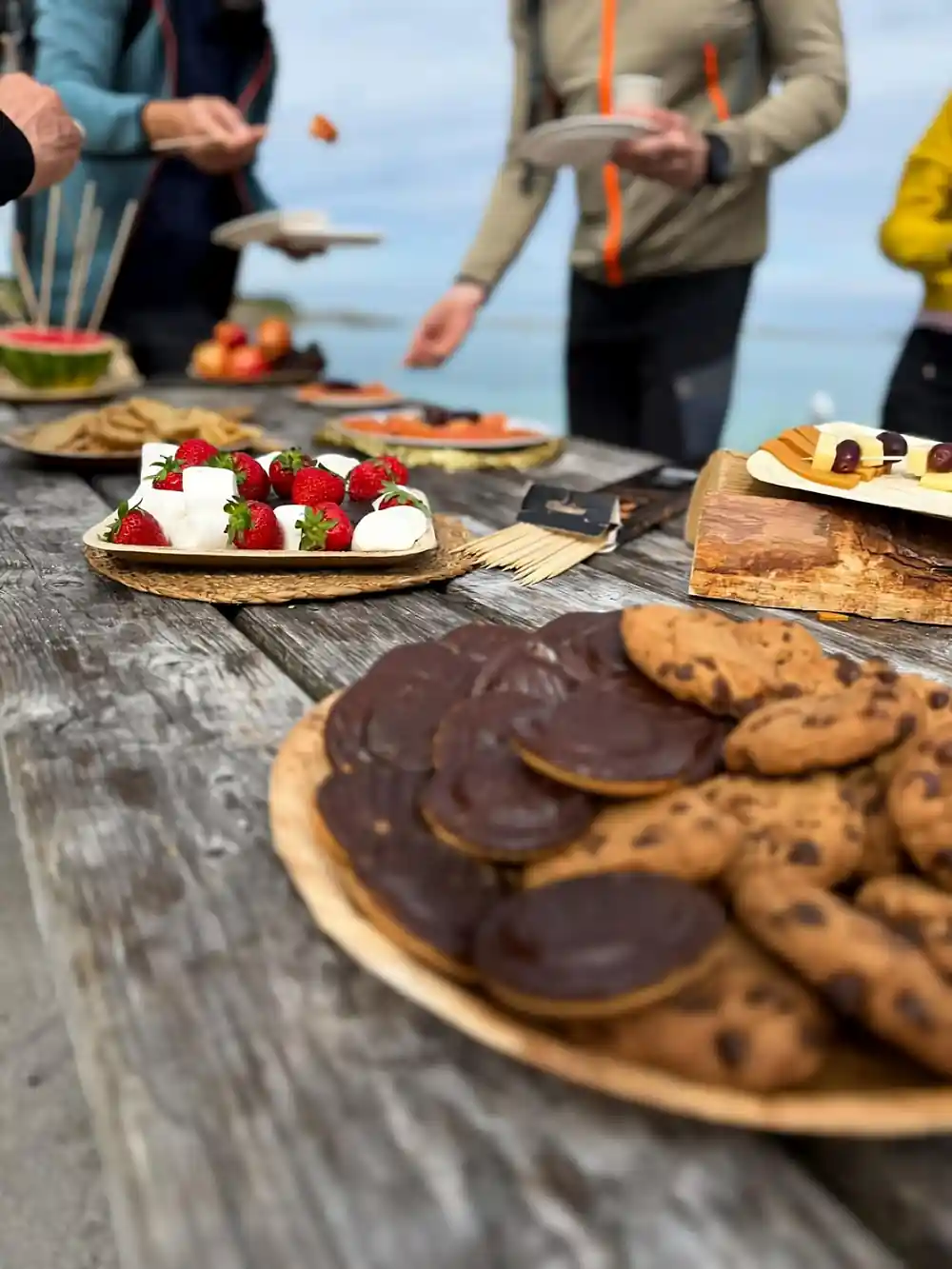
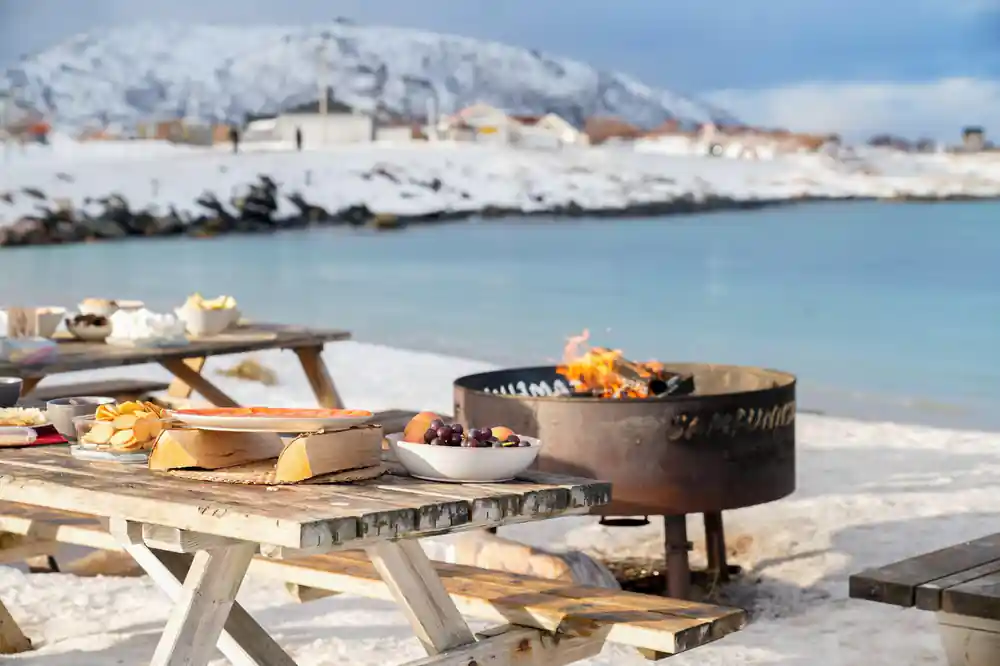
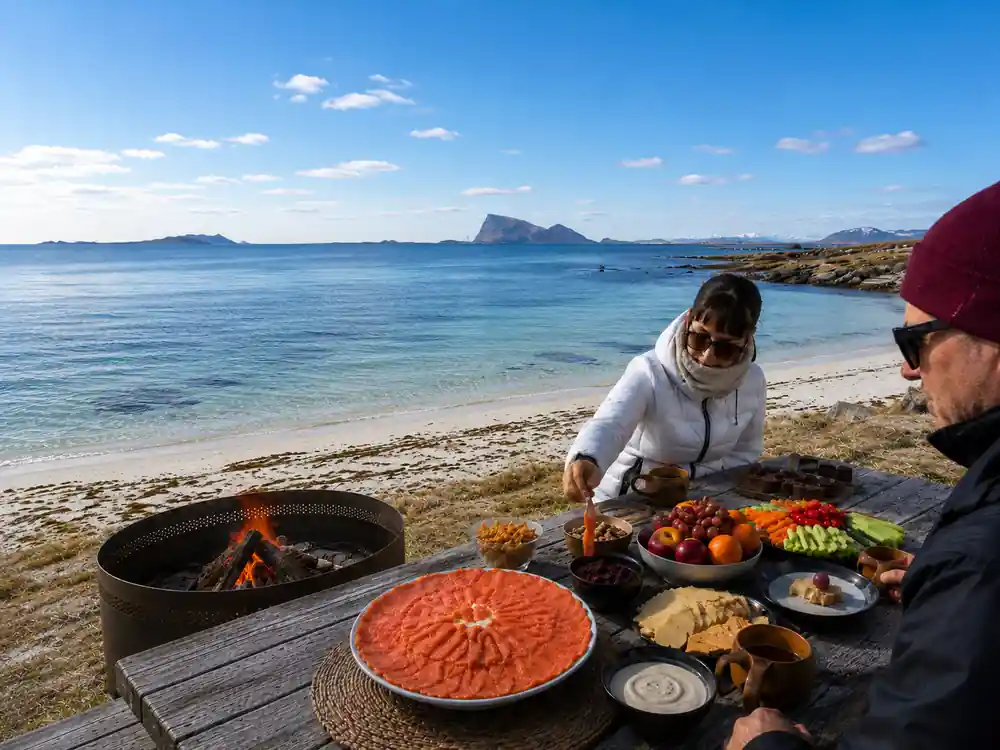
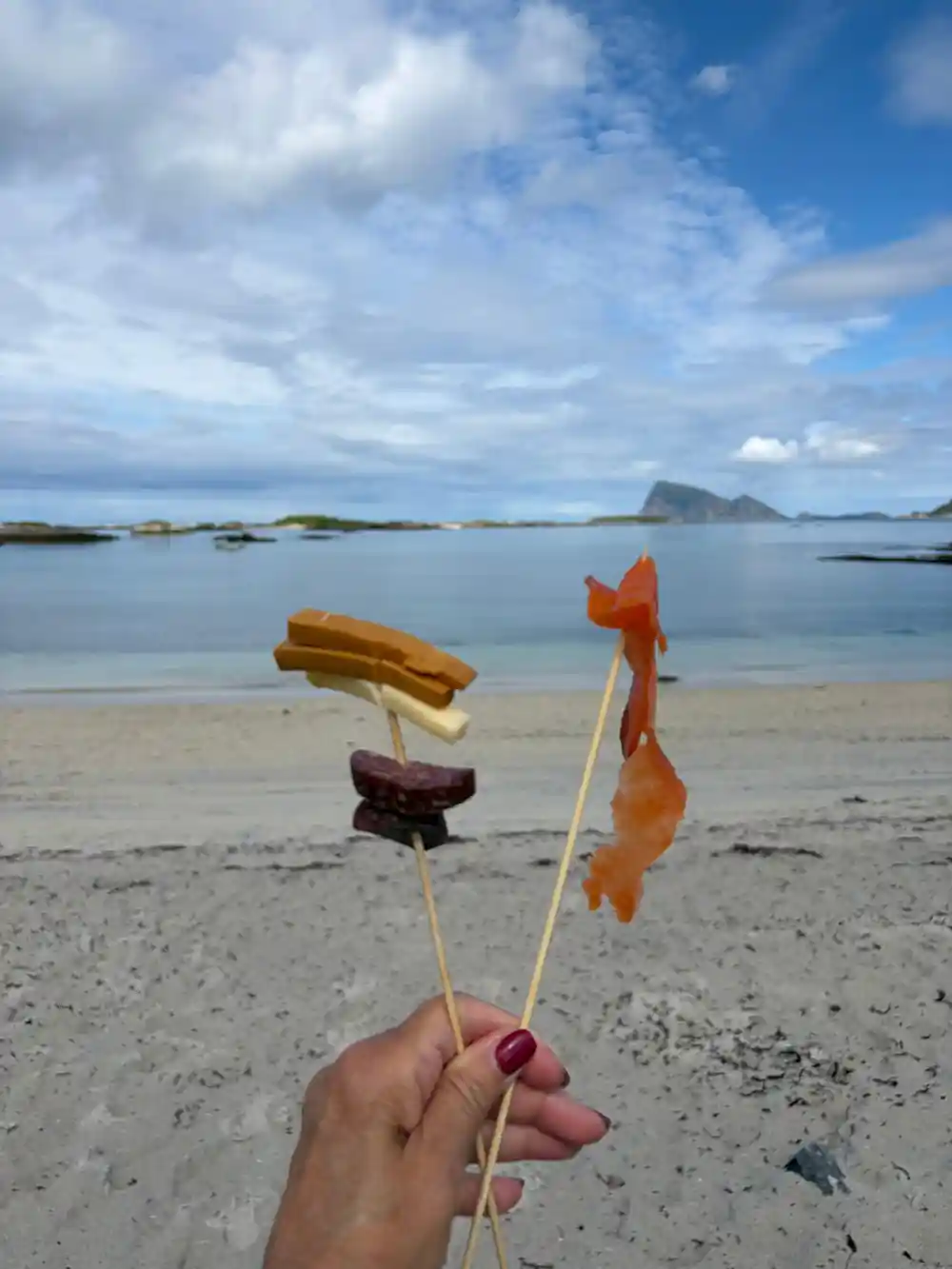
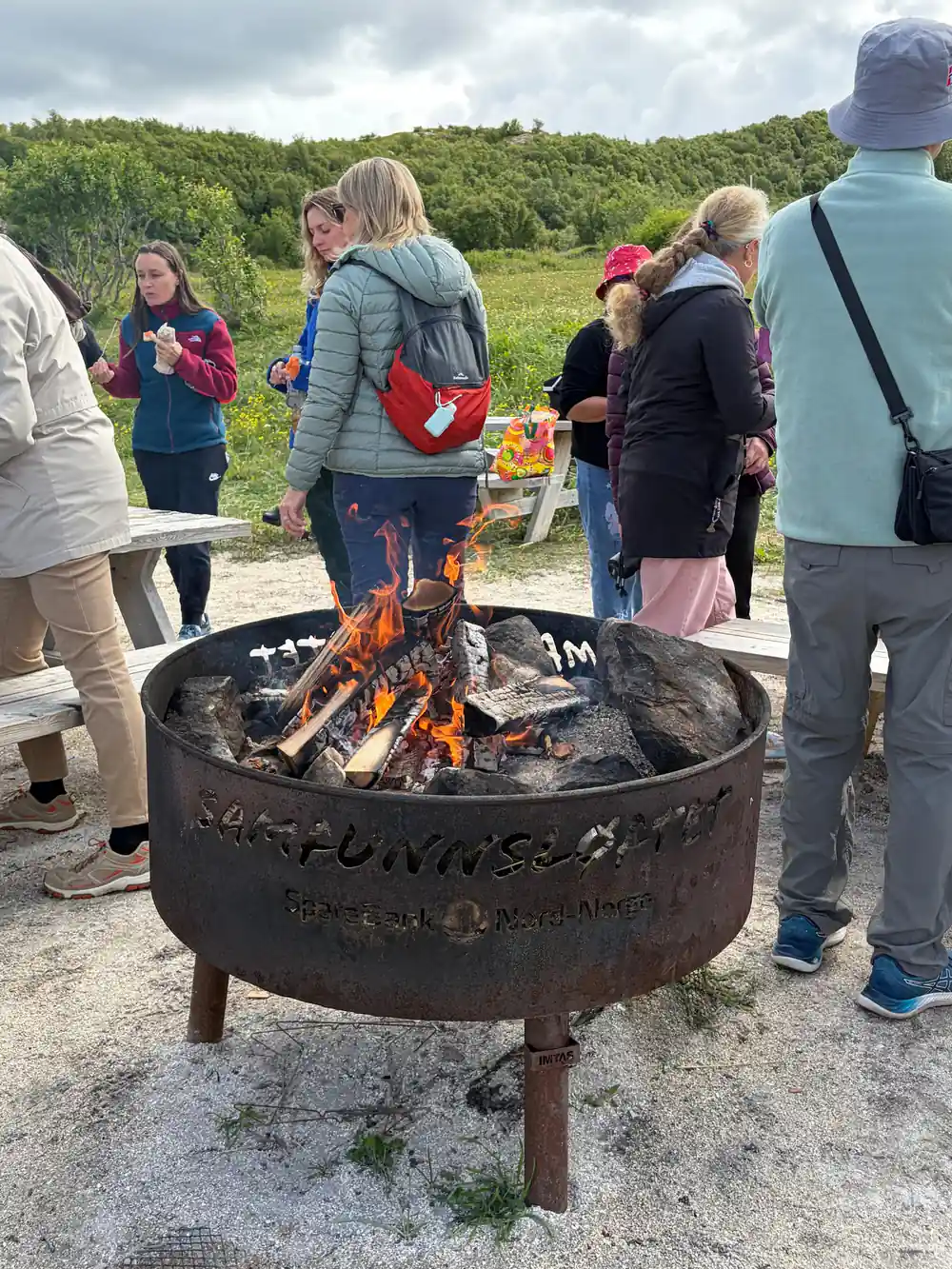
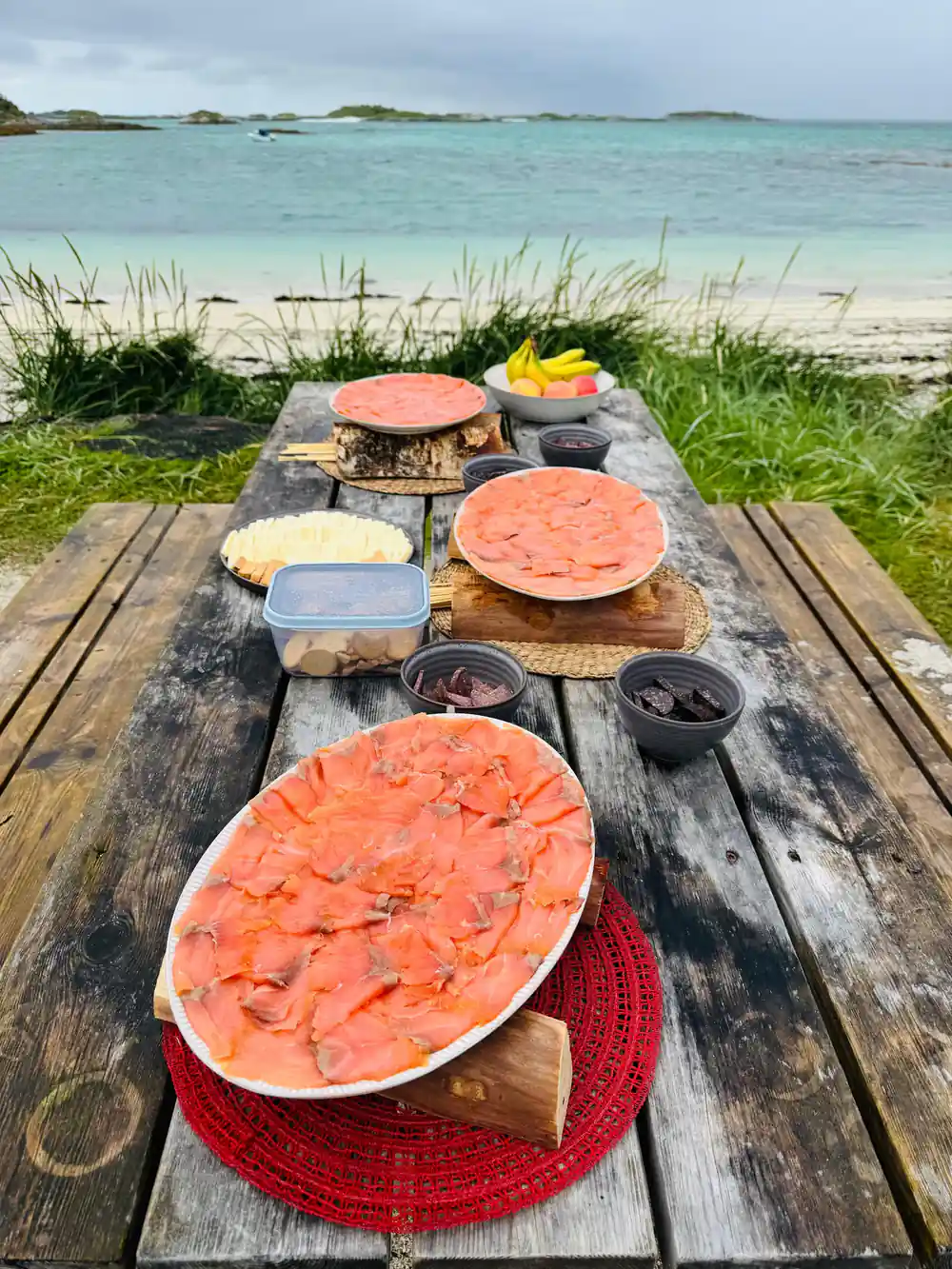
Somewhere along the way the coach stops and the expedition team sets out a table. The centrepiece is Norwegian salmon, cured and sliced, with bread, cheese, preserves, fruit and coffee or tea alongside, and it is served on a beach rather than in a building. A vegetarian option is available.
It is described as a highlight in review after review, and the reason is partly the food and mostly the setting. Eating outdoors on white sand with the Arctic Ocean in front of you is a very specific pleasure. If the weather makes a beach picnic impossible, it becomes a salmon or cheese sandwich with a hot drink instead, which the operator states plainly.
The Arctic swim
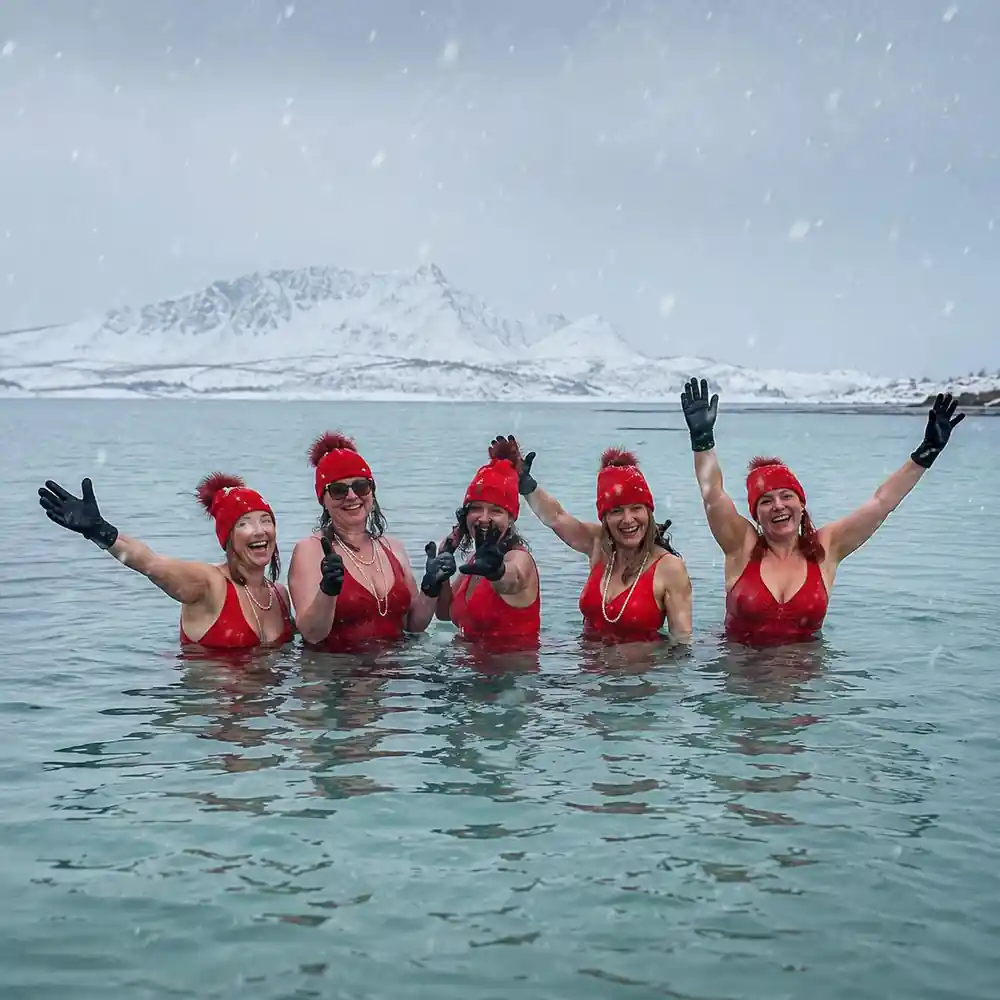
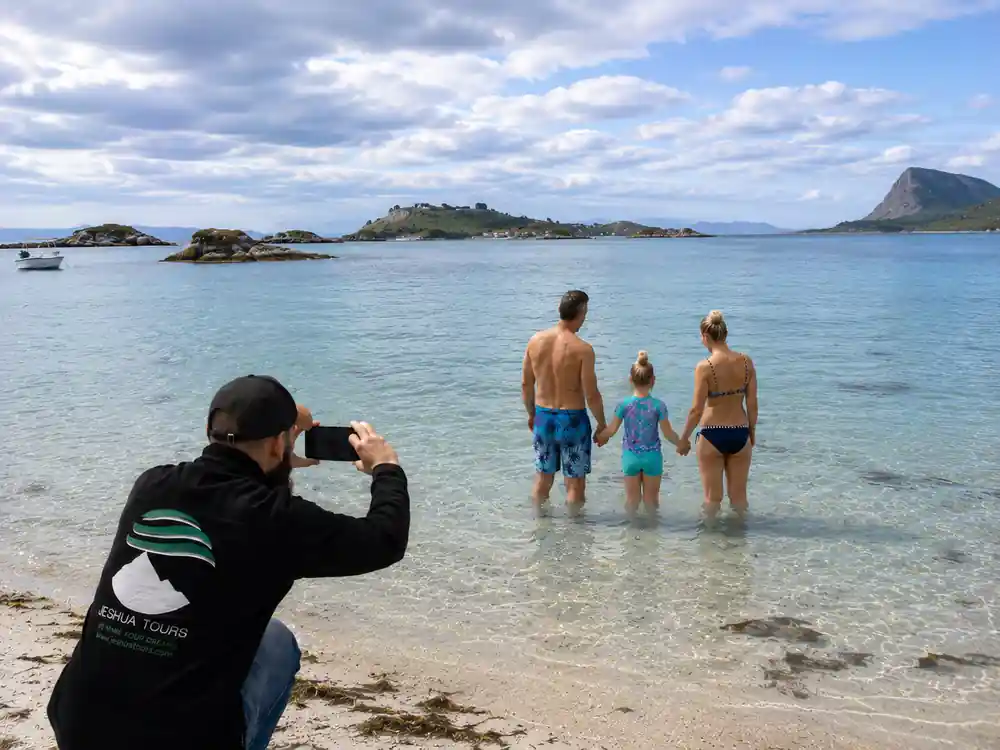
Entirely optional and the thing people talk about afterwards. If you want to, you bring swimwear and get into the Arctic Ocean, and the operator provides a large towel and hands out an Arctic Swim Certificate to anyone who does it.
The water is cold, obviously. What surprises people is that it is survivable and even pleasant for a short dip in summer, when the surface has warmed in the long daylight. Nobody is under any pressure, plenty of people watch, and the certificate is a piece of fun rather than an achievement award. But if you have ever wanted to swim above the Arctic Circle, this is a supervised chance to do it.
It is a coach tour, not a boat
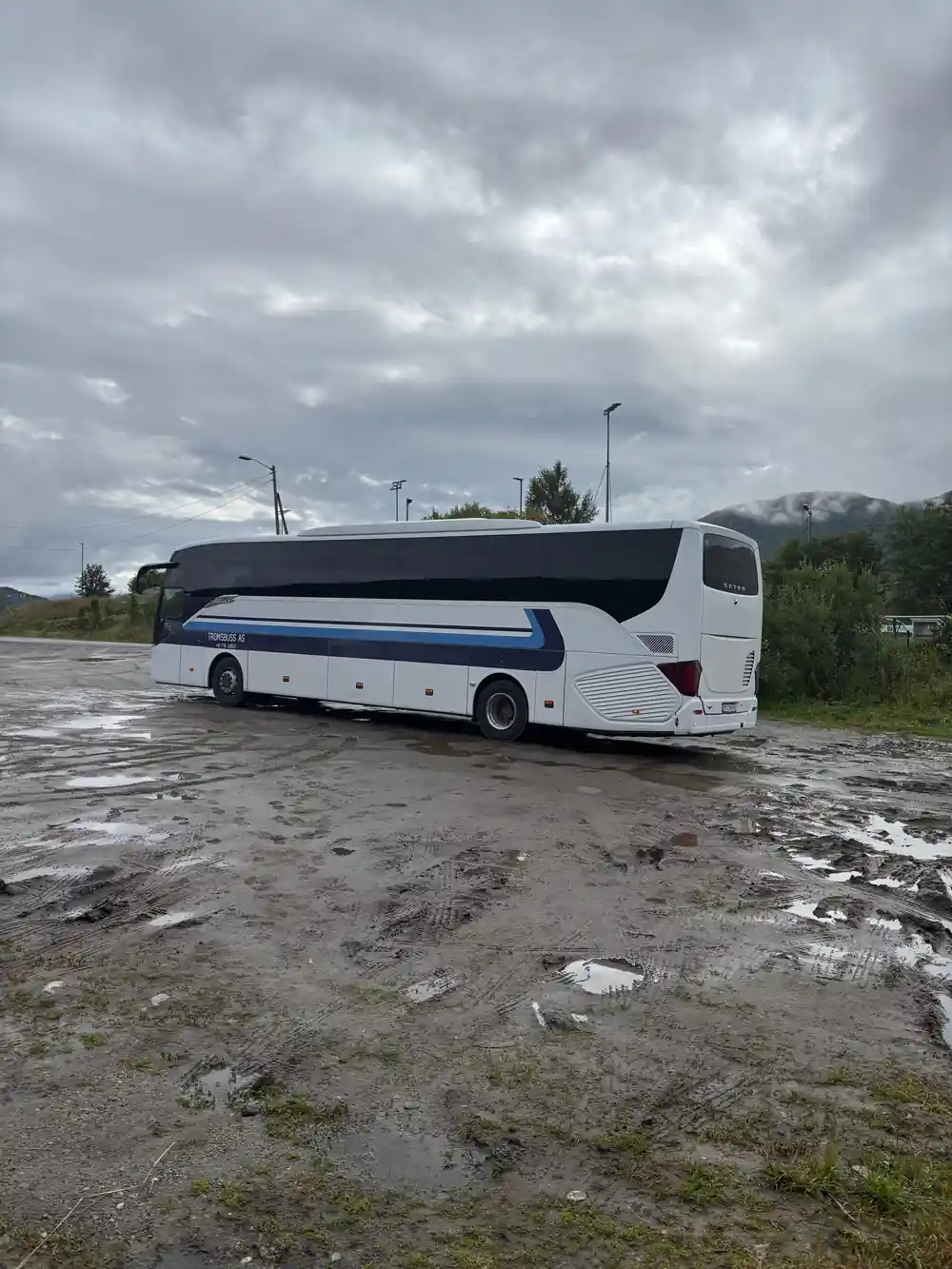
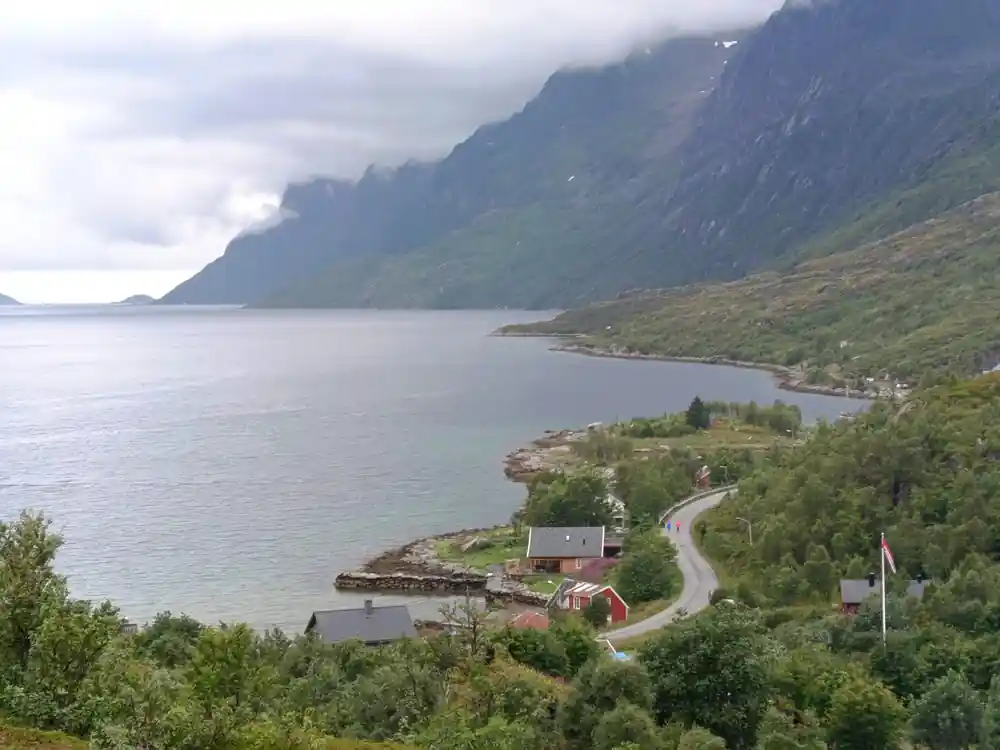
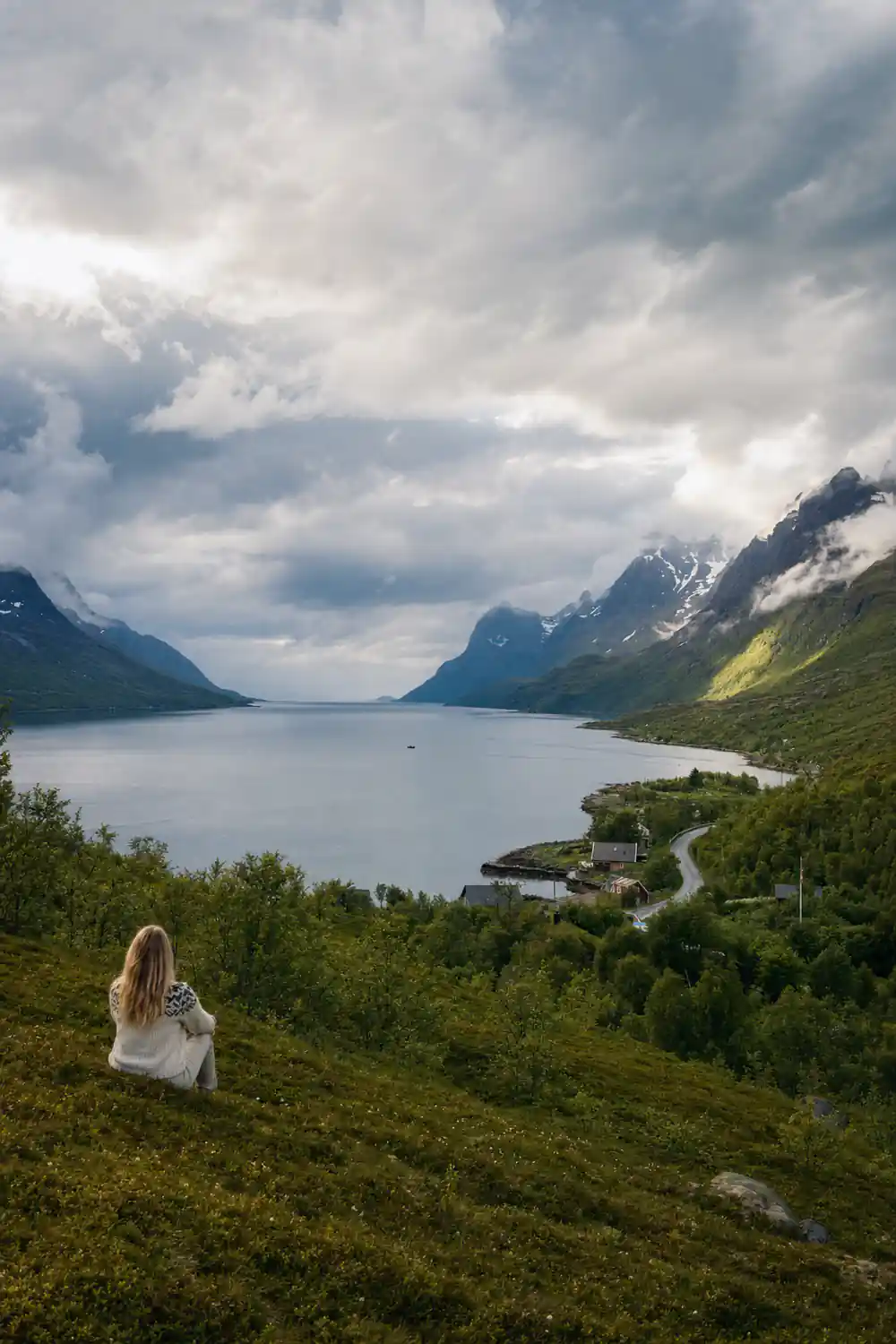
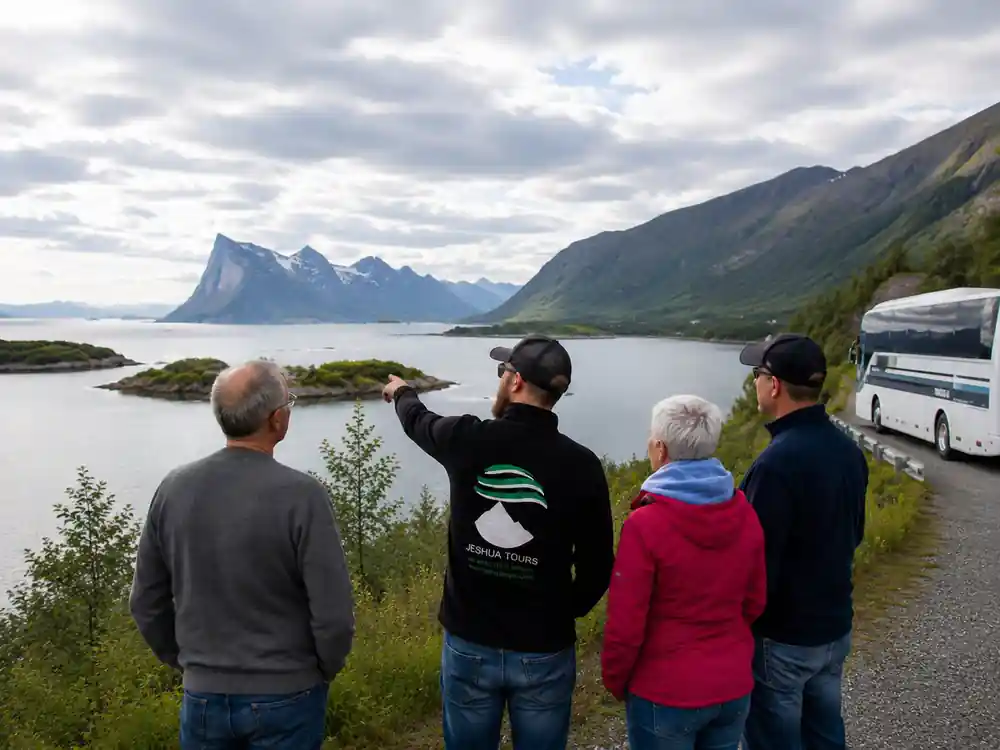
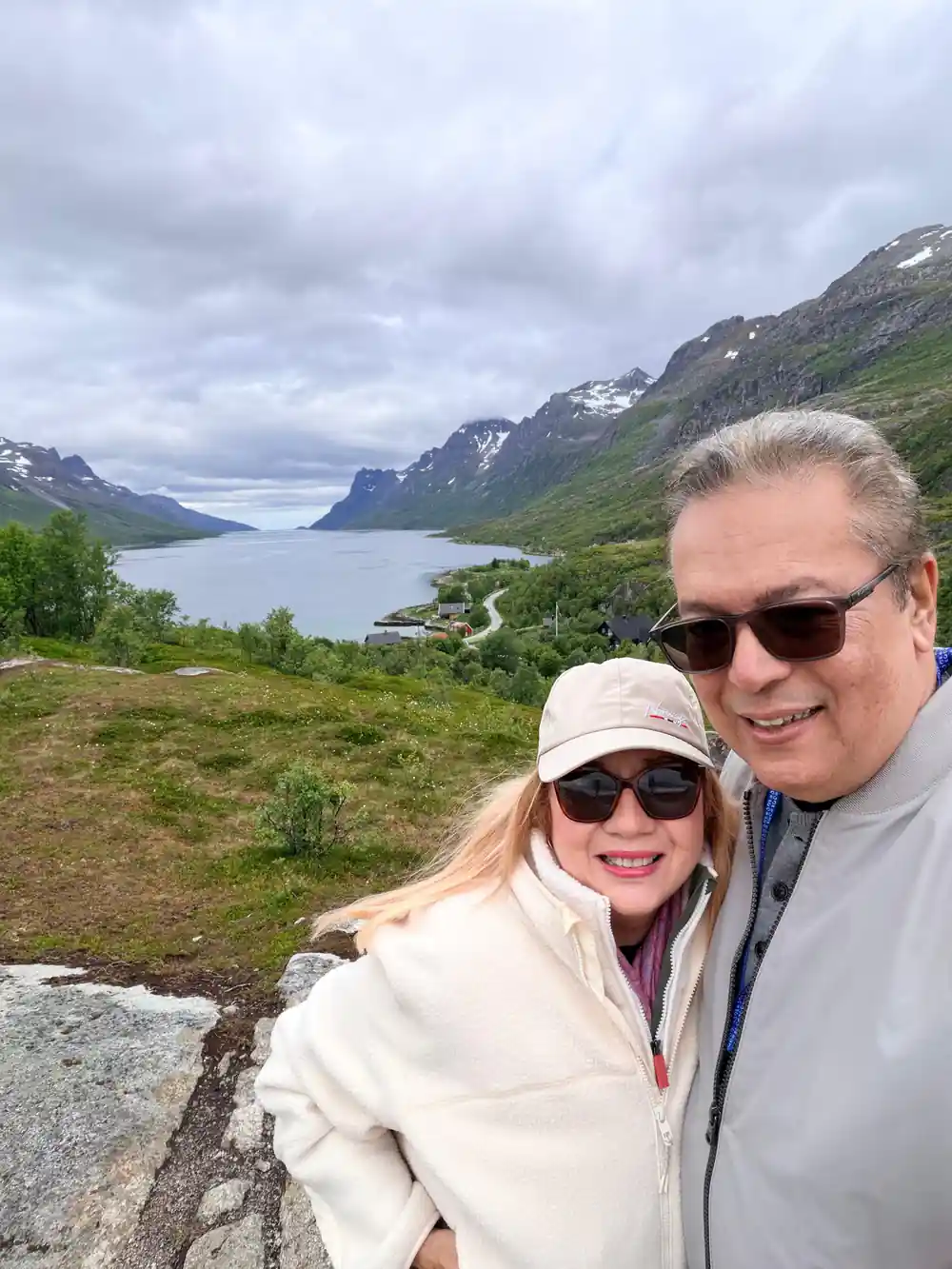
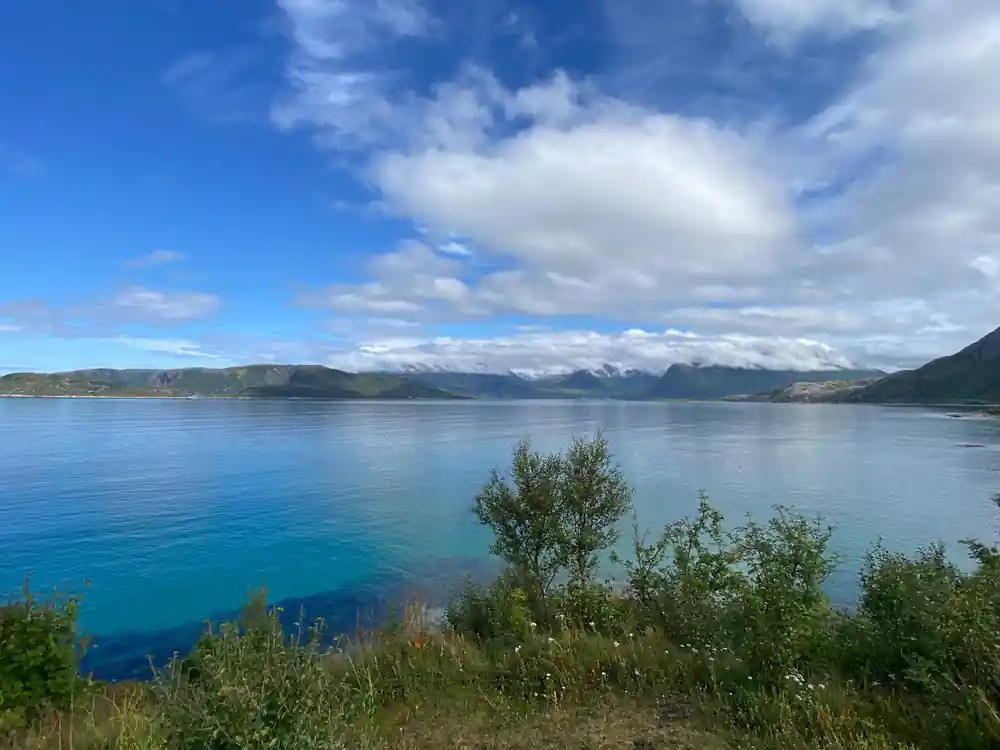
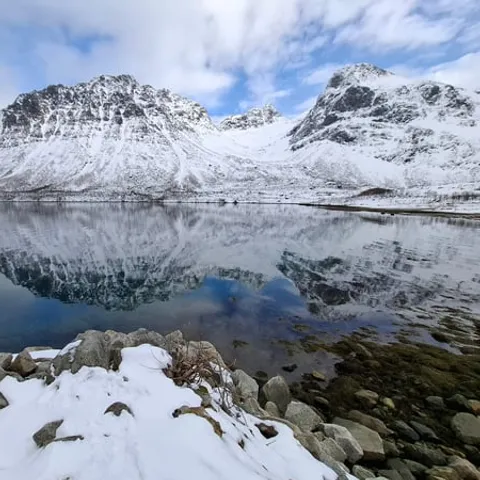
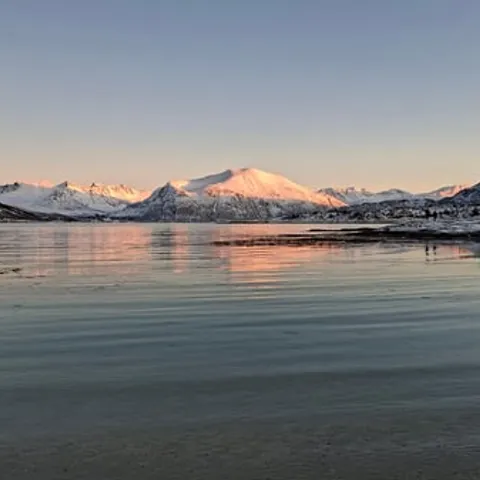
Worth being unambiguous about, because a great many people searching for a fjord tour assume a boat. The operator states it plainly: this is a coach tour and not a boat trip. You see the fjords from the road and from the viewpoints the coach stops at, not from the water.
That is a genuine trade rather than a lesser version. A road tour covers far more ground in the same time, reaches beaches a boat cannot land on, gives you a heated vehicle with a toilet to retreat into, and does not care whether the sea is rough. What it cannot do is put you out in the middle of a fjord looking back at the mountains.
Wildlife along the way
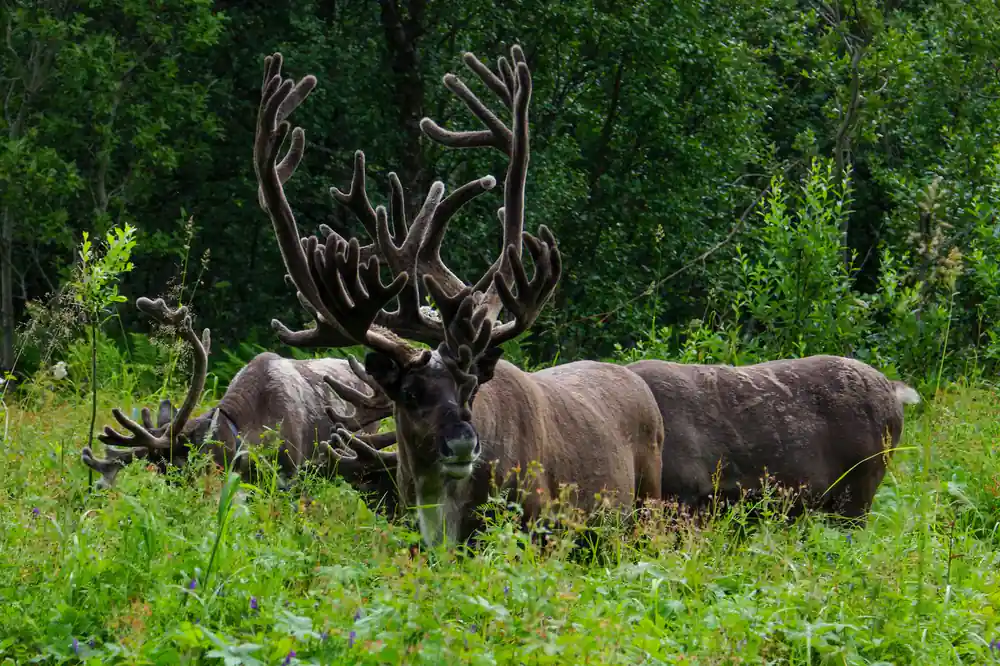
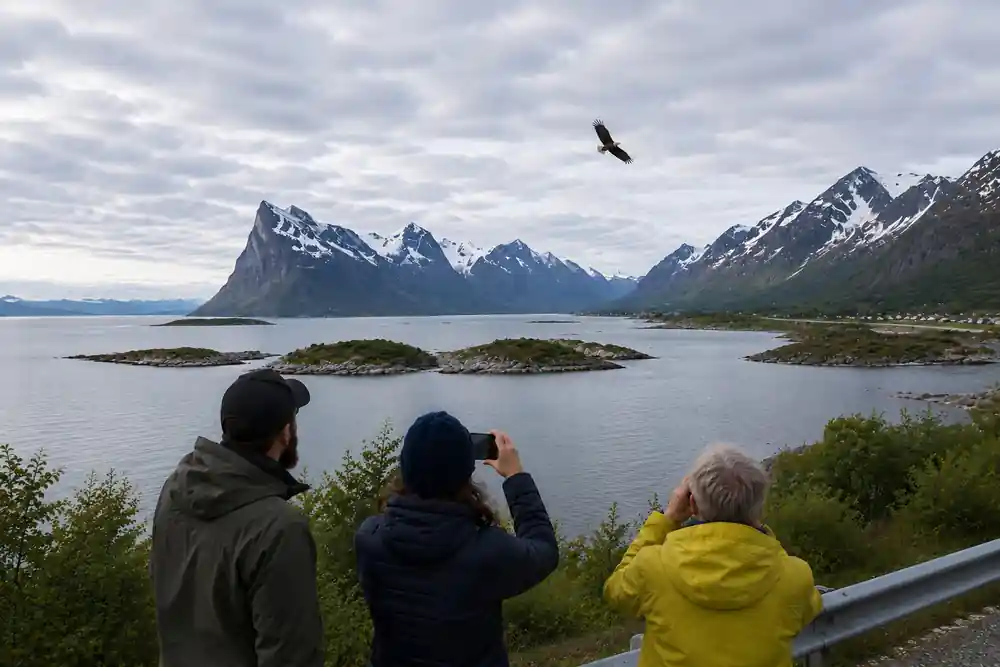
The expedition looks for white-tailed sea eagles, reindeer, moose, seals and porpoises as it goes, and the guides know where each is likely to be. Sightings are explicitly not guaranteed, which is the honest position for any wild animal.
The eagles are the most likely of them and the most impressive, with a wingspan that can pass two and a half metres, and northern Norway holds one of the densest populations in the world. Reindeer are semi-domesticated and herded here rather than truly wild, which does nothing to make a group of them beside the road less striking.
How the day is run
Flexibly, and the reviews make clear that this matters. The operator states that the route, the stops, the picnic place and the timing may all change with weather, road or safety conditions, and guests describe guides reorganising a day around forecast rain so that it barely affected them.
Leaving the coach at any stop is optional. If the ground is icy or you would rather stay warm, you stay on board, and the operator says so explicitly. Ice cleats are recommended for the winter months, natural ground is uneven, and the guide's safety decisions are final. That combination of flexibility and clear limits is what makes an Arctic road tour work.
One small piece of admin worth knowing before you book. Children need their own ticket rather than travelling free, and the professional photographs taken during the expedition are edited before delivery, which usually takes two or three working days rather than arriving the same evening.