Worth remembering
- The Sommarøy Fjord Expedition Tour & VIP Salmon Picnic runs for 4.5 hours with a live English and Spanish guide and an audio guide included.[1]
- US$55 is the starting price, with a reserve-now-and-pay-later option and no-cost cancellation until 24 hours before.[1]
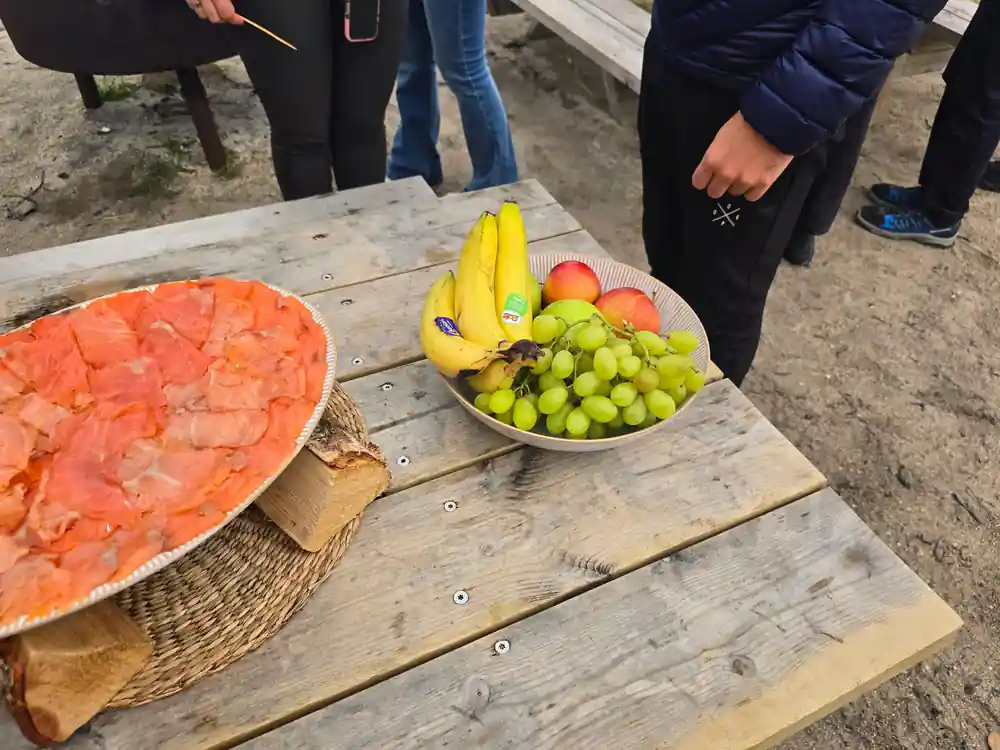
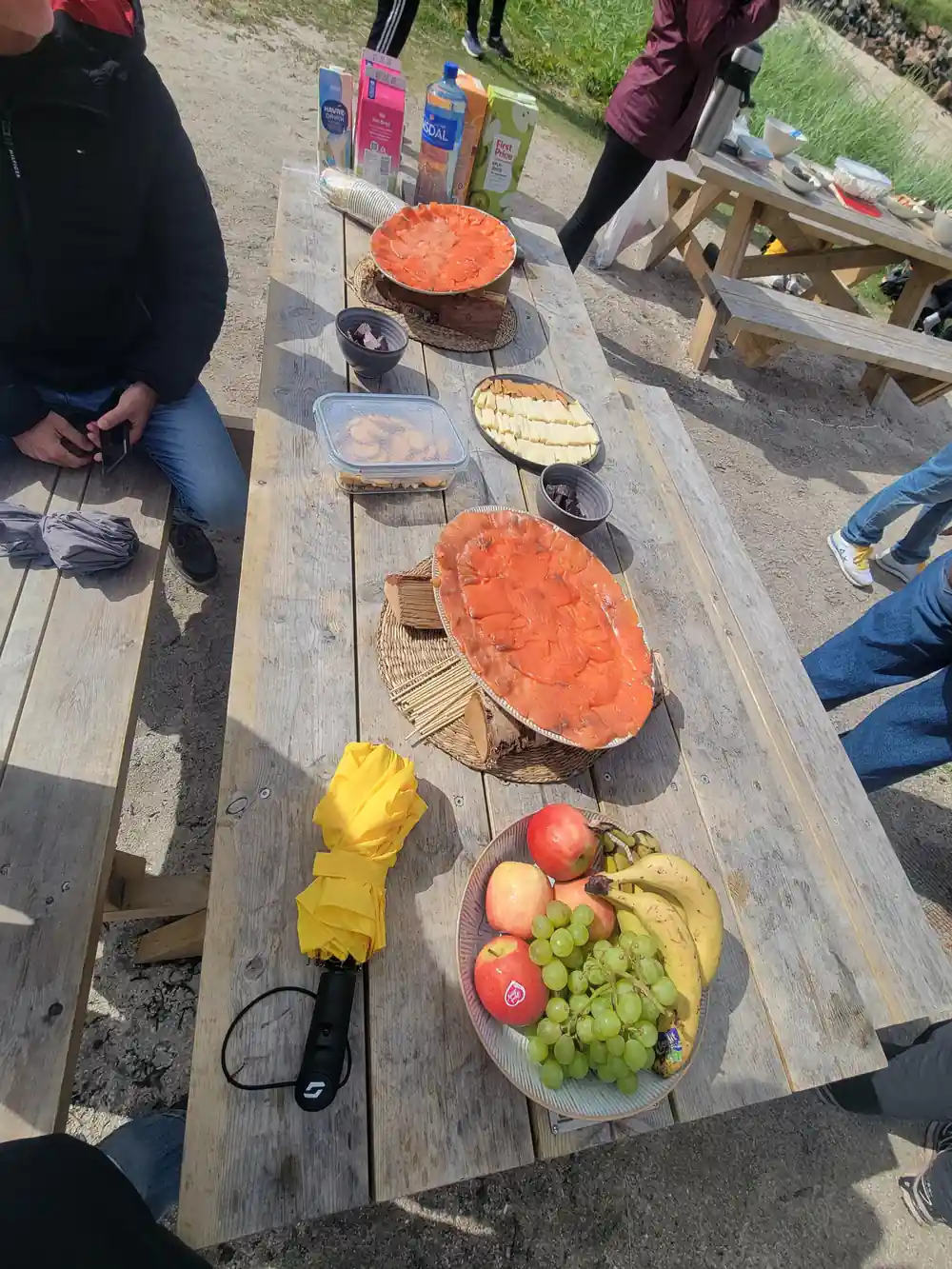
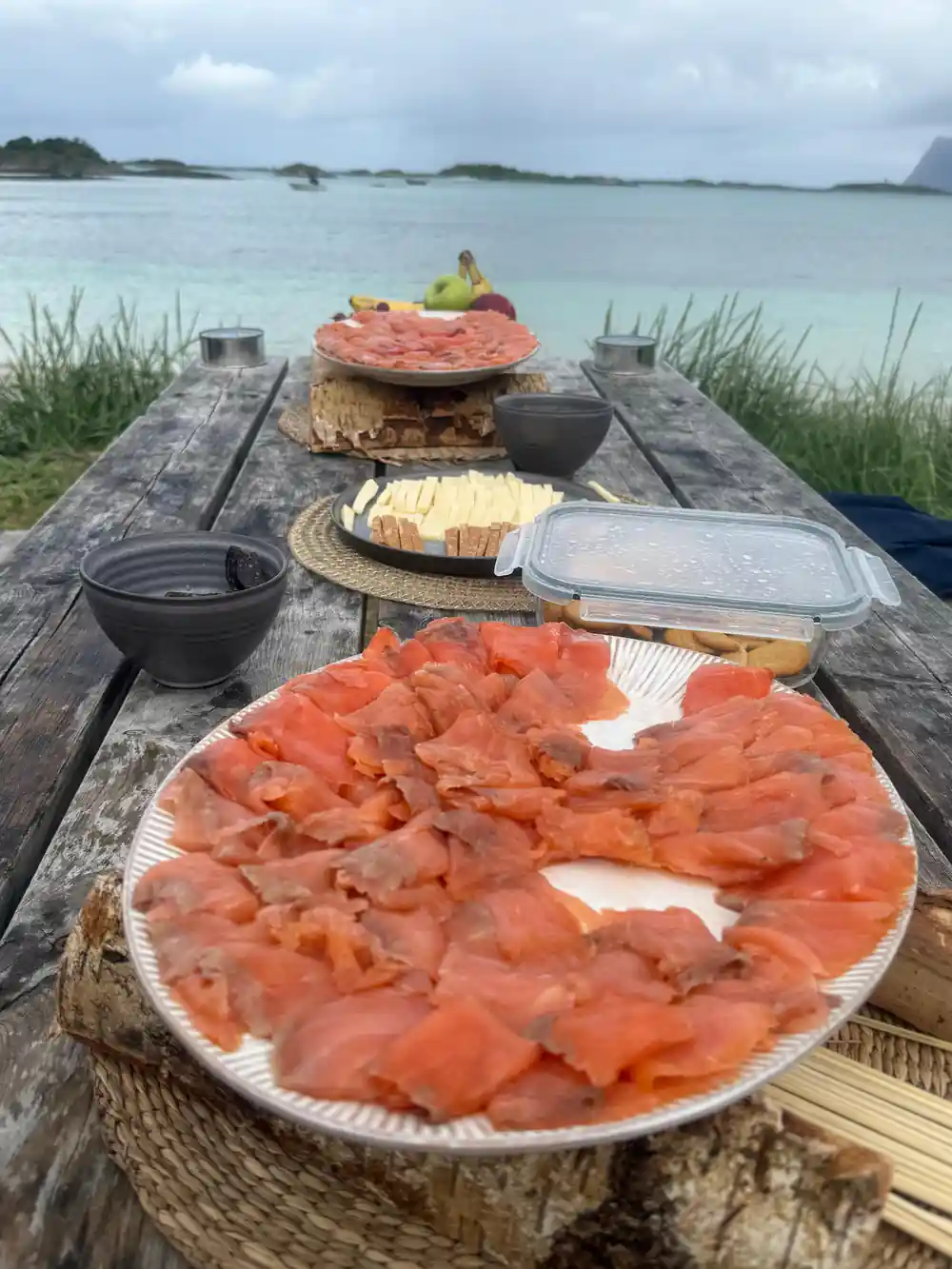
- Norwegian salmon is the centrepiece of the picnic, laid out with fruit and something sweet on a shore of pale turquoise shallows and white sand.
- Tromsø's average winter temperature is around −4°C.[2] Warm layers, a windproof shell and boots with grip are the honest kit list.
- The midnight sun typically runs from about 20 May through 22 July, and auroras may appear between late August and early April.[3][4]
- Top choice Sommarøy Salmon Picnic from US$55 Duration4.5 hours[1]GuideEnglish, Spanish[1]Rating4.73 from 5,005 reviews[1]CancellationFree up to 24 hours[1] Check availability
- Tromsø: Fjords Tour from US$121 Duration5 hours[5]GuideEnglish[5]Rating4.88 from 639 reviews[5]CancellationFree up to 24 hours[5] See this tour
- Kvaløya & Sommarøy Tour from US$178 Duration5.5 hours[6]GuideEnglish[6]Rating4.86 from 162 reviews[6]CancellationFree up to 24 hours[6] See this tour
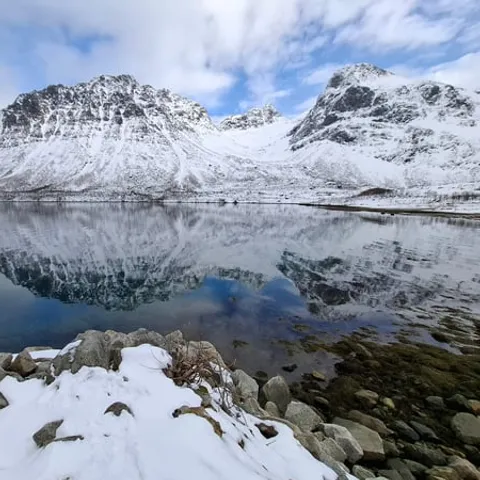
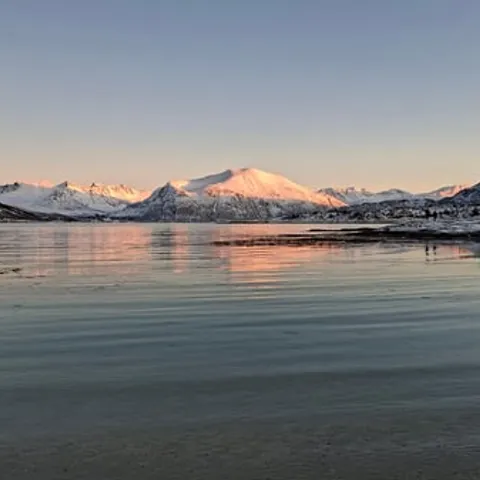
The average winter temperature in Tromsø is around −4°C.
A simple pleasure, done properly
Read before booking
On the day
- Average winter temperature in Tromsø is around −4°C.[2] Dress in layers.
- Midnight sun usually lasts from around 20 May to 22 July for late-light picnics.[3]
- Airport to city centre takes about 10-20 minutes, leaving time to start your tour.[7]
- Free cancellation up to 24 hours in advance takes the risk out of changing plans.[1]
What Actually Appears on the Table
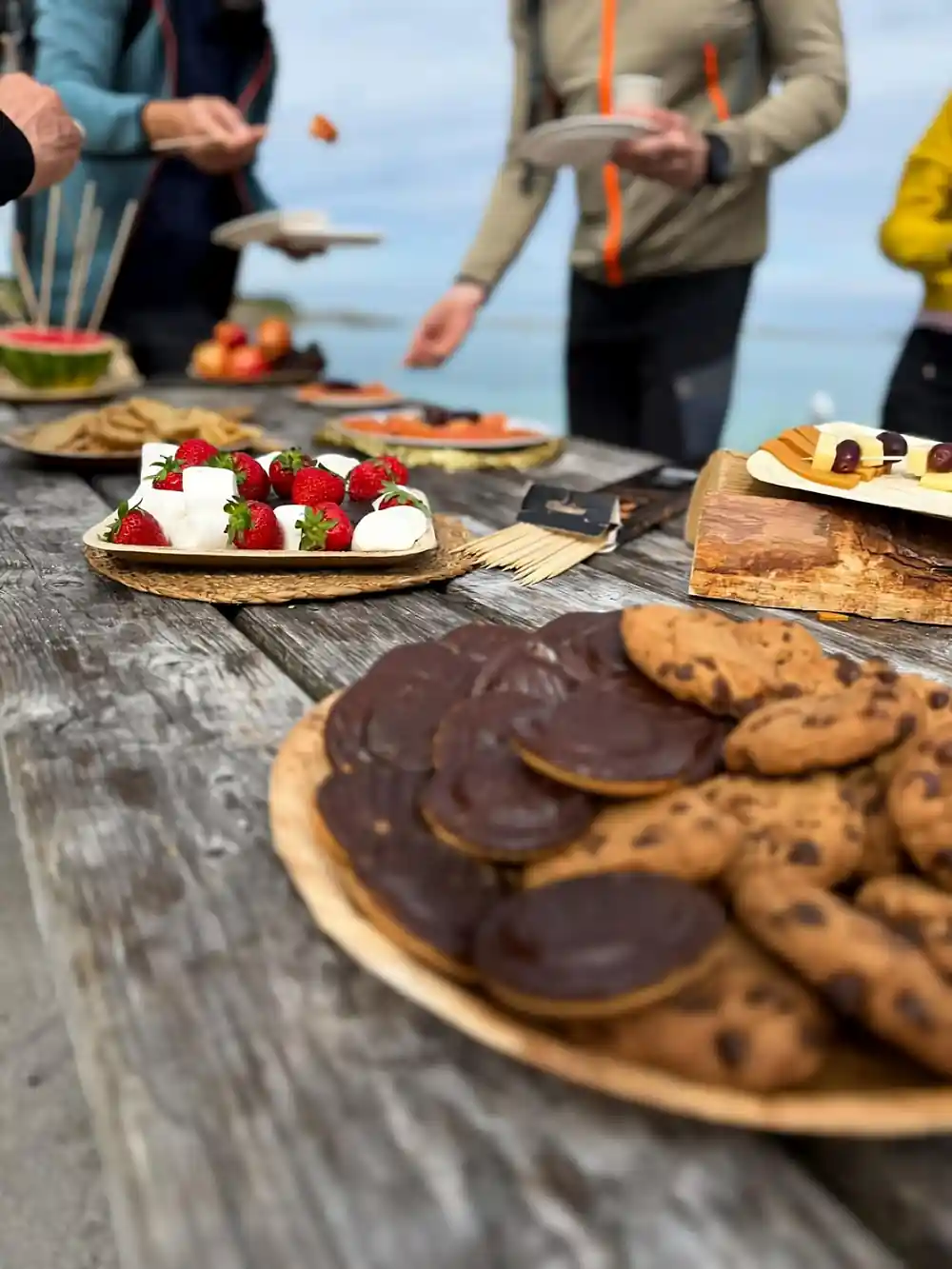
The centrepiece is a VIP salmon picnic, and the table tells the story. A spread is laid out by the shore with Norwegian salmon, fruit, berries and something sweet, the kind of meal that feels simple and generous. There is no white-tablecloth formality. You sit close to the water, the table low, and the sounds are wind, gulls and the occasional boat. The tour is called an expedition, and the route matters, but the table is where everything slows down.
You can expect a live guide speaking English and Spanish, with an audio guide included as well.[1] The picnic is the anchor; the rest of the tour moves through fjord landscapes to get there. The from price is US$55.[1] The whole thing lasts long enough to feel substantial but not endless.
The table itself is set on the sand or just above the tide line, depending on conditions. Boots in the sand, plate in hand, fjord in front of you: this is the moment the tour is built around. On a calm day, the water mirrors the sky; on a windy one, it throws a little spray. Both are part of the story.
Why Salmon, and Why It Is Good Here
Norwegian salmon needs no fuss, and eating it beside the fjord makes the point better than any restaurant. The clean, cool water and long northern light give the fish a firm, rich character. A simple slice on bread, a curl of lemon, a cold drink, and you understand why this corner of Norway puts salmon on the table. Salmon has long been a staple of the Norwegian table, and this picnic treats it with respect.
This tour makes the food part of the place rather than an afterthought. The salmon picnic is named as VIP, and it gets a proper table, proper ingredients and proper time. You are not rushed back to the bus. The tide and the sky set the pace. There is no hurry to finish. The tour gives the meal a place in the itinerary rather than squeezing it into a photo stop.
A meal outdoors in Tromsø is a meal in the Arctic. In Tromsø, winter temperatures average about −4°C.[2] In that air, warm food and hot drinks carry real weight, and the salmon's richness works in your favour. A warm drink in hand makes the cold a feature, not a problem. Come hungry and with the right coat.
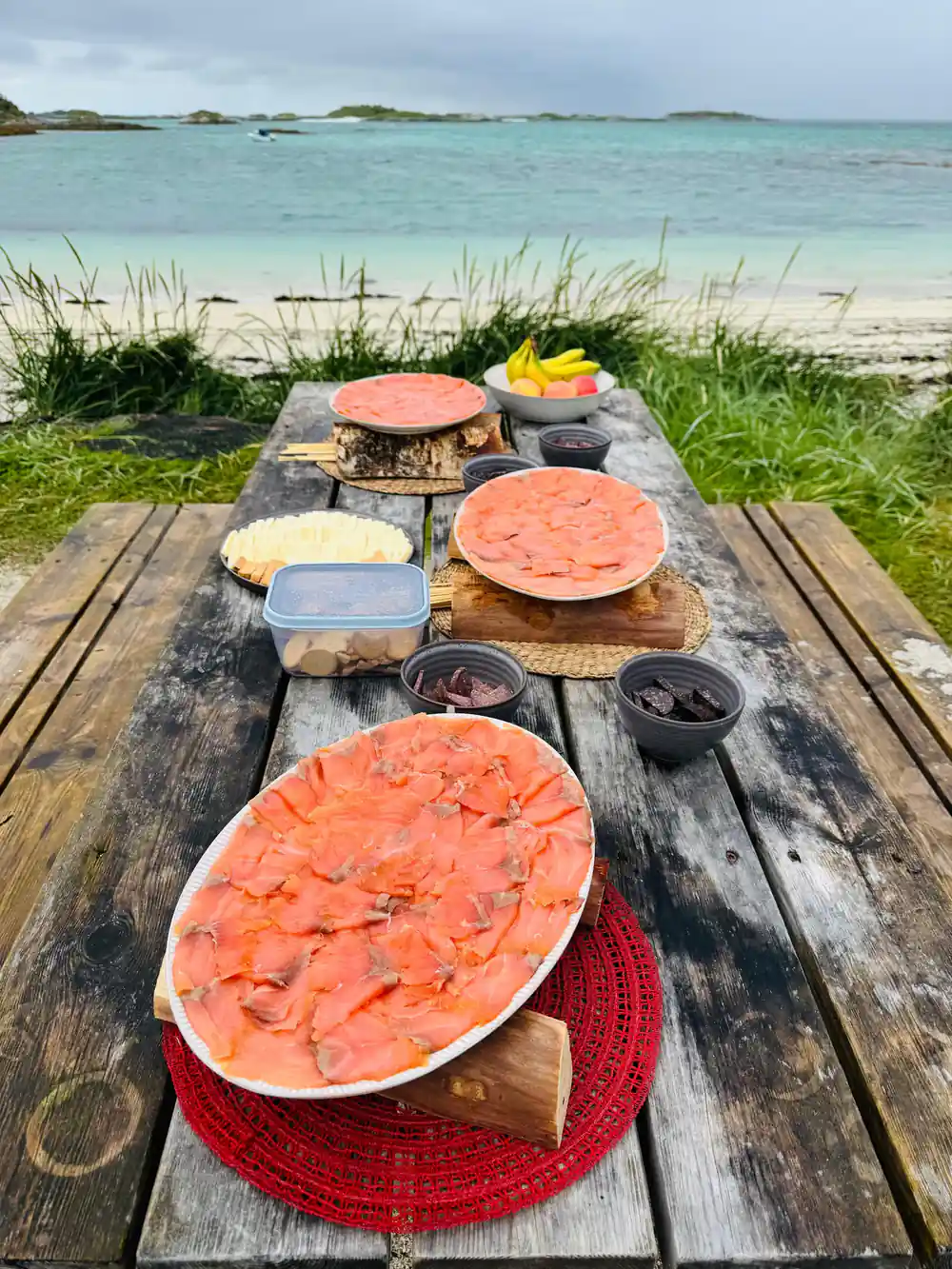
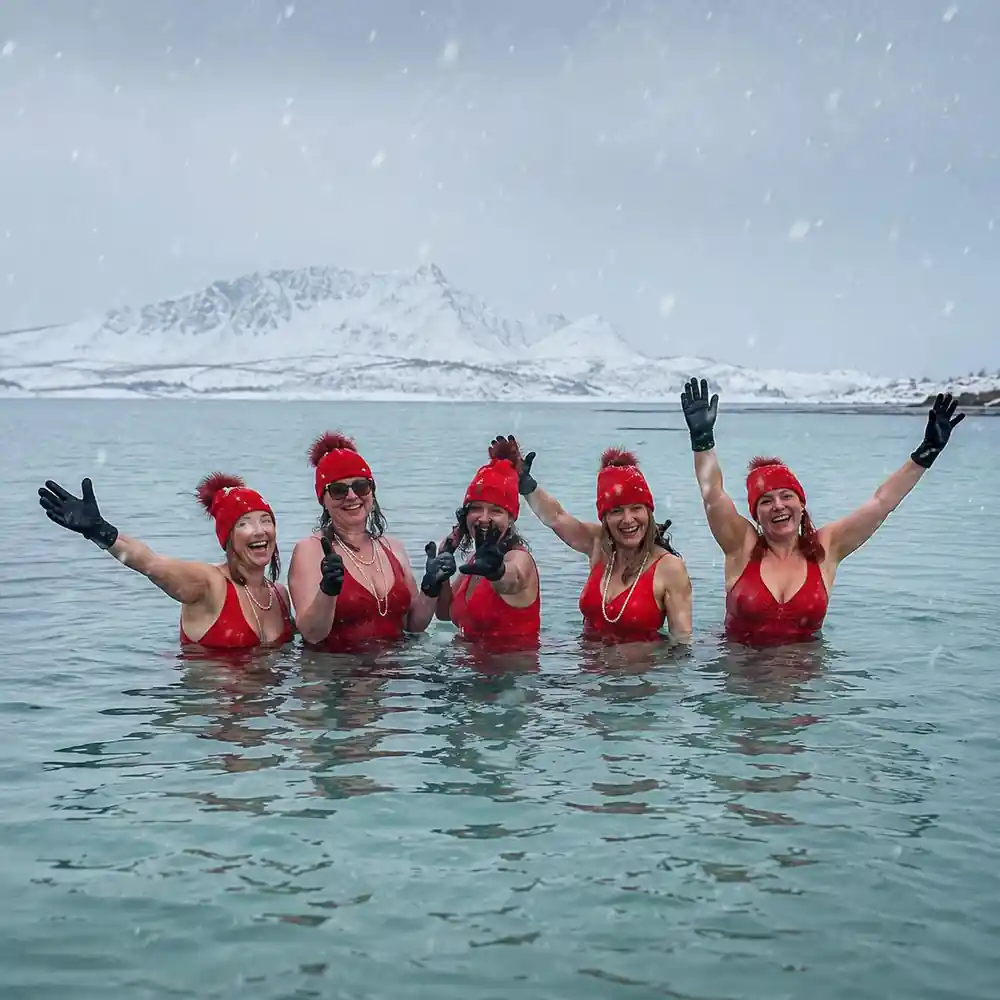
The picnic table is set by a shore of pale turquoise shallows and snow-covered mountains.
The Setting Is Half of It
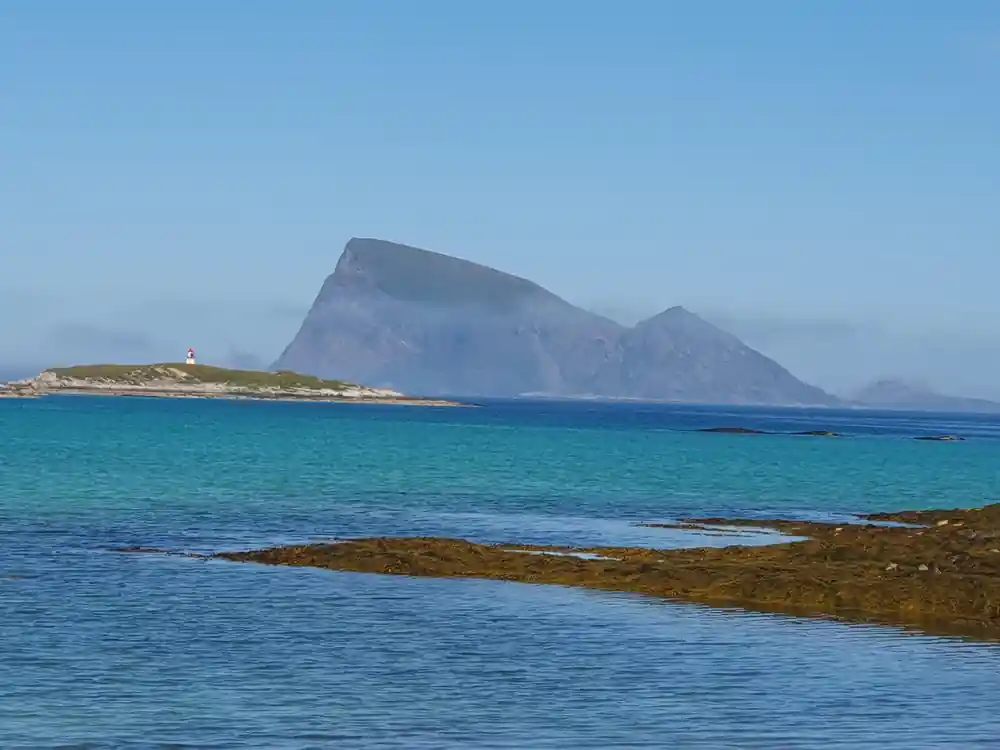
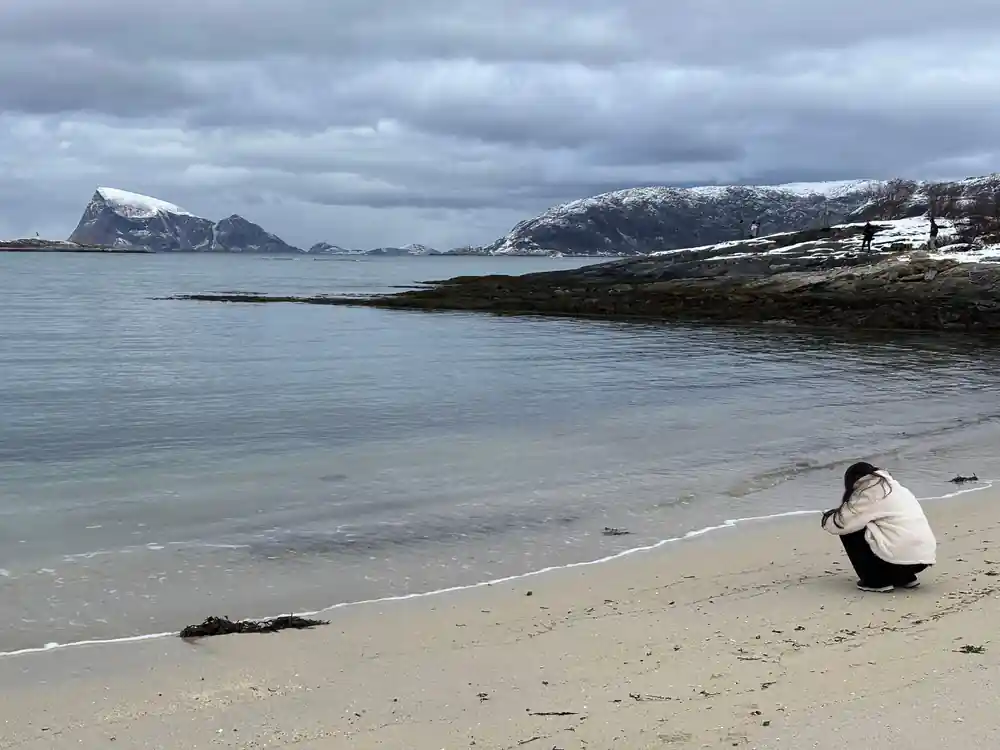
Sommarøy faces west, where the fjord opens to the sea. The shore is pale sand, the shallows are a startling pale turquoise, and low mountains hold the horizon. Fishing cabins in red and yellow stand against the snow, giving the beach a working, lived-in feel. The colours are not what you expect from the Arctic. They are soft and luminous, with the sea glowing through the sand.
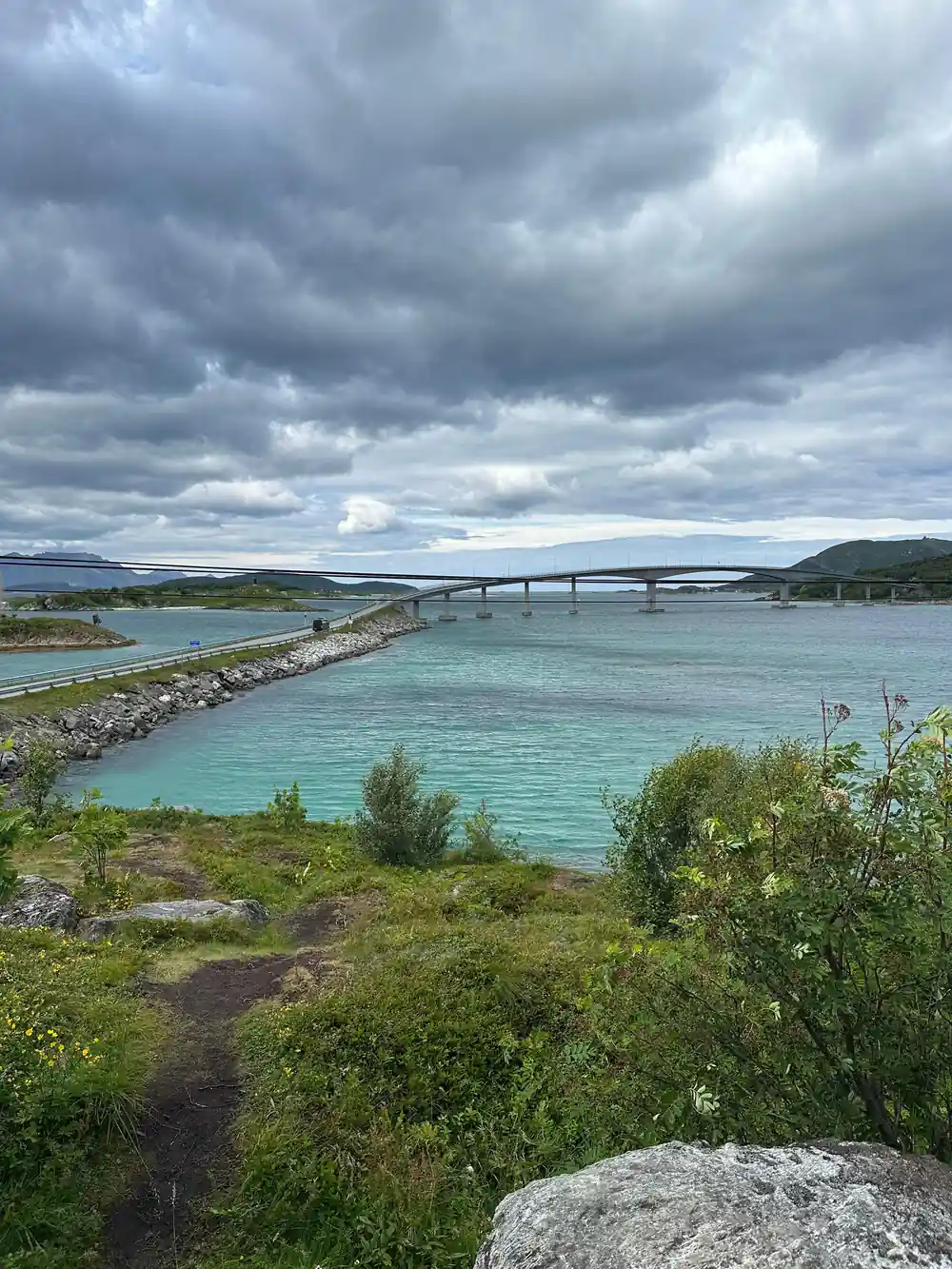
Tromsø itself sits 400 km north of the Arctic Circle, at 69°N.[8] The journey out to Sommarøy is part of the reward: every bend in the road adds another layer of water, rock and sky. You do not need to know the names to feel the scale. For a first-time visitor, the scale is surprising. You can see the weather coming from far out, and the mountains fold into the sea like slow waves.
If the light turns dramatic, that is the Arctic being itself. The polar night, from about 27 November to 15 January, is when the sun remains low and the world takes on a blue glow.[9] The midnight sun generally runs from about 20 May to 22 July, at the opposite end of the year.[3] Both are unforgettable backdrops for a picnic. Between those seasons, the light changes quickly, and any window of calm feels like a gift.
The Wet-Weather Plan
Arctic picnics are not fair-weather plans. Even when the sky is clear, the wind off the fjord cuts through. A clear sky can still be bitterly cold. Dress for around −4°C, the average winter temperature in Tromsø.[2] That is cold enough to make layering non-negotiable.
A warm base layer, a fleece, a windproof and waterproof shell, gloves, a hat and boots with grip are the honest list. The picnic table may be in the open, and the weather will join the meal. If a shower passes, the food still works; the salmon is already the main event. Do not let the cold push you back to the bus. The picnic is the point, and the right clothes unlock it.
Check the forecast before you go and trust it. The road from Tromsø to Sommarøy passes through varied terrain, and conditions at the beach can differ from town. Keep a spare dry layer in a small bag and you will be comfortable for the whole 4.5-hour expedition.[1] A small dry bag for gloves or camera is worth the space. If your boots are waterproof, your feet stay warm for the entire expedition.
from US$55
From US$55[1], the 4.5-hour tour[1] includes a live guide in English and Spanish, an audio guide and the VIP salmon picnic.[1]
Dietary Requirements, Honestly
A picnic is a fixed spread, not a restaurant menu. If you have allergies, avoid certain foods or follow a particular diet, say so when you book. That gives the operator the best chance to adjust what they can, while you keep your own snacks as a backup. No operator can promise a perfect substitution for every allergy, but telling them early is the one thing you can control.
The headline food is Norwegian salmon, and the table will revolve around it. Fruit, berries and something sweet are part of the spread; even a non-fish eater has something to enjoy. If you do not eat fish, let them know and think about what you will enjoy instead. A picnic is not a bespoke kitchen, but a little notice goes a long way.
Honesty goes both ways. The tour is upfront about its 4.5-hour duration and its from price of US$55.[1] Reserve now and settle later; you can cancel for a full refund if you do so at least 24 hours before.[1] That flexibility is rare on a shore picnic, and it takes the pressure off the meal.
How Long You Stop
The whole expedition lasts 4.5 hours.[1] That includes travel, the route, the views and the picnic itself. It is a half-day shape, long enough to feel like an event and short enough to keep things moving. It is short enough that you can still enjoy a slow breakfast in Tromsø before you leave.
How long you sit at the table depends on the day. In good weather, you will want to linger; in a cold wind, you may finish faster and warm up on the move. The guide reads the group and the conditions, which is exactly what a small expedition should do. Some travellers take their time with every bite; others prefer to eat and then explore the shoreline. Both styles work.
Starting times are shown when you check availability.[1] You can fit the tour into a wider Tromsø stay. You still have time for a museum, a walk or an evening northern lights hunt after the picnic. The 4.5-hour length also means the tour can run in winter's short daylight without eating the whole day.[1]
The Hot Drink, and What to Bring
A hot drink is the quiet hero of any Arctic picnic. A small flask in your daypack is a comfort, and the ritual of a warm cup on a cold shore is part of the pleasure. It does not need to be complicated. A simple warm drink changes the temperature of the whole afternoon. The cold air makes the simple things taste better.
For the rest, think: layers, a hat, gloves, waterproof boots, a small dry bag for phone and camera, and sunglasses for low winter sun bouncing off snow and water. The light can be dazzling even when the air is cold. A backpack, not a shoulder bag, leaves your hands free for the picnic plate and the rail by the water. Keep the picnic low-effort and let the tour handle the heavy lifting.
A camera or phone with a charged battery matters. Snow, sea and salmon make a strong trio, and the pale turquoise shallows photograph themselves. The tour is rated 4.73 from 5,005 reviews.[1] And when you look back at the photos, the picnic table will pull you straight into the memory.
From Prices of Sommarøy Tours
Sommarøy picnic options
From-prices on GetYourGuide:[1],[10],[6].
When to book your picnic
Plan Your Sommarøy Picnic
Check availability
Starting times are shown when you check availability; the tour lasts 4.5 hours.[1]
Reserve with flexibility
Reserve now and pay later, and cancel up to 24 hours in advance for a full refund.[1]
Dress for the Arctic
Tromsø's average winter temperature is around −4°C.[2] Layer up and bring waterproofs.
Bring picnic comforts
A small flask, a dry bag and a charged phone make the shore stop easier and more fun.
Enjoy the table
Meet your live English or Spanish guide and let the VIP salmon picnic anchor your 4.5-hour expedition.[1]
Ready to eat Norwegian salmon with your boots in the sand?
from US$55Reserve now & pay later