Worth remembering
- Average winter air in Tromsø is around -4°C. Keep a winter dip brief and warm up straight after.[1]
- Polar night runs roughly 27 November to 15 January; midnight sun lasts from about 20 May to 22 July.[2][3]
- Sommarøy Fjord Expedition Tour & VIP Salmon Picnic runs 4.5 hours with live guiding in English and Spanish, from US$55.[4]
- Enter slowly, stay briefly, and warm up fast. Tell the guide you plan to go in.
- Planning gets easier with free cancellation until 24 hours before and a reserve-now, pay-later option.[4]
- Top choice Sommarøy Expedition from US$55 Duration4.5 hours[4]Live guideEnglish, Spanish[4]Rating4.73 from 5,005 reviews[4]CancellationFree cancellation up to 24 hours[4] Check availability
- Tromsø Fjords Tour from US$121 Duration5 hours[5]Live guideEnglish[5]Rating4.88 from 639 reviews[5]CancellationFree cancellation up to 24 hours[5] See this tour
- Arctic Fjord Expedition from US$166 Duration5 hours[6]Live guideEnglish[6]Rating4.83 from 442 reviews[6]CancellationFree cancellation up to 24 hours[6] See this tour
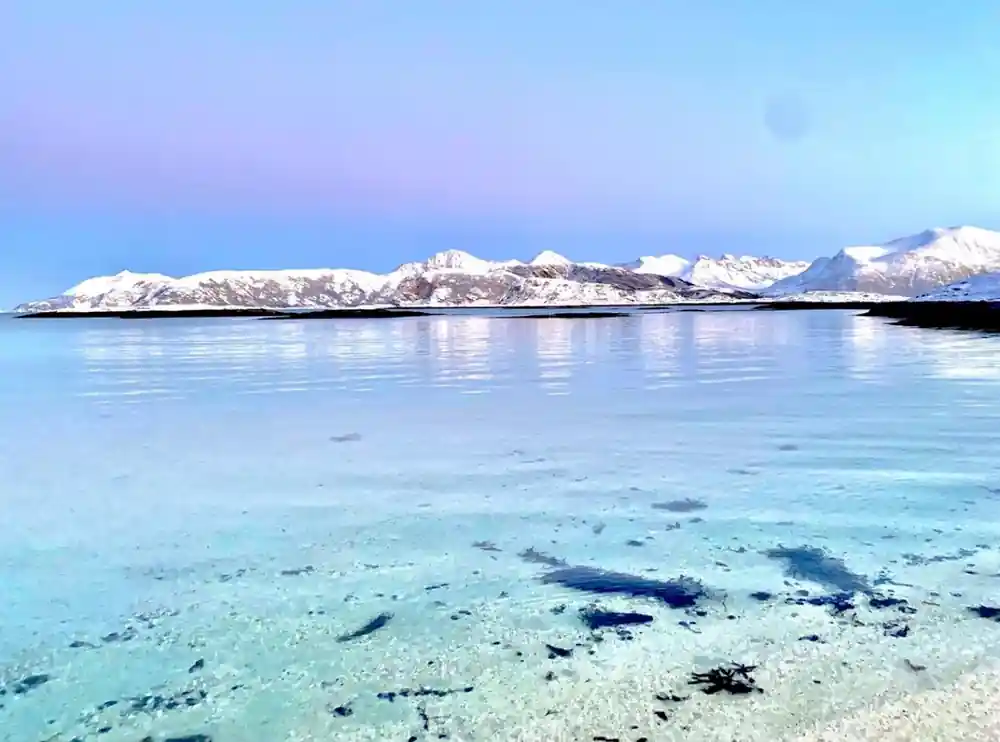
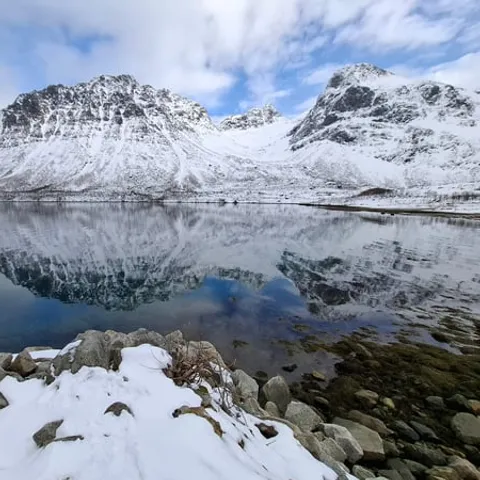
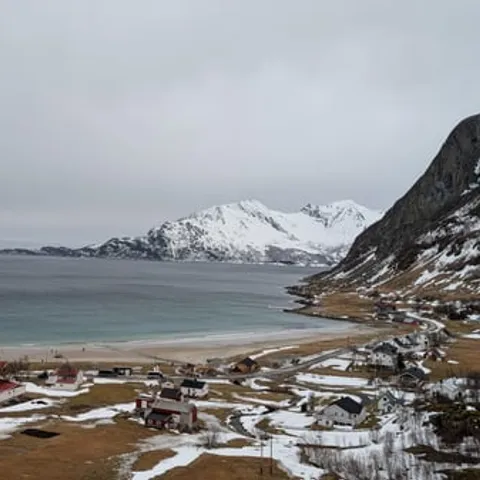
The average winter temperature in Tromsø is around −4°C.
Worth it if you prepare properly
Tour facts
How cold is it, really
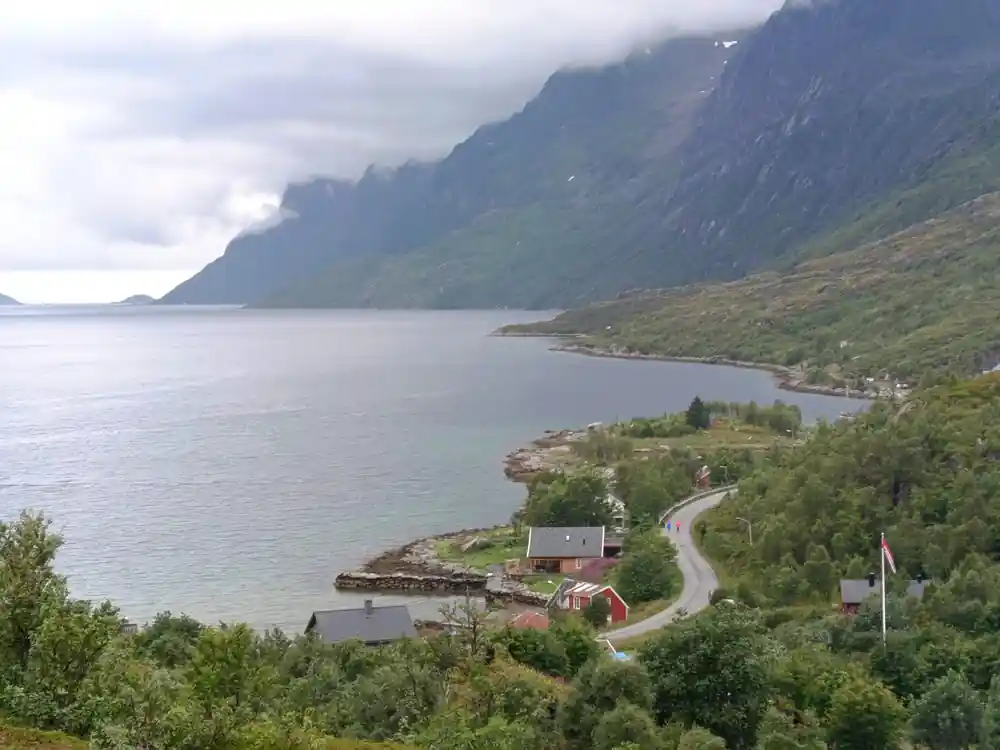
Tromsø sits 400 km north of the Arctic Circle, at 69°N.[7] In winter, the average air temperature is around -4°C.[1] That alone tells you what kind of cold to expect, but the water is the real story. Arctic seawater can be startling even when you know it is coming. A few seconds in it will make your breath catch and your heart rate climb. If you let yourself breathe through that first shock, the feeling changes. The initial sting fades into a strange, buzzing warmth that stays with you for hours.
Plan around the light as much as the temperature. The polar night starts around 27 November and lasts until 15 January.[2] During that dark stretch, a winter dip may take place in blue twilight rather than full darkness. Later, from about 20 May to 22 July, the midnight sun provides nearly endless daylight, ideal for a laid-back beach visit.[3] If you time a trip for late August to early April, you also have a chance of seeing northern lights in the Tromsø region whenever the sky is dark and clear.[8]
Which season you choose changes the experience as much as the air temperature. In the depths of polar night the water can feel like a secret in the dark; under the midnight sun it feels more like a beach dare with friends. Either way, the preparation is the same: layers, dry clothes, and a short window in the water. Respect the cold and it respects you back.
What actually happens
A typical organised cold-water outing is short, simple, and staged. You arrive, meet the guide, change quickly, and walk to the water's edge. There is no need to swim far; the point is the shock and the bounce-back, not distance. Guides keep an eye on everyone, and most of the scene is over in minutes. Afterwards you dress in warm layers, drink something hot, and laugh about the moment when your brain shouted no while your feet kept walking.
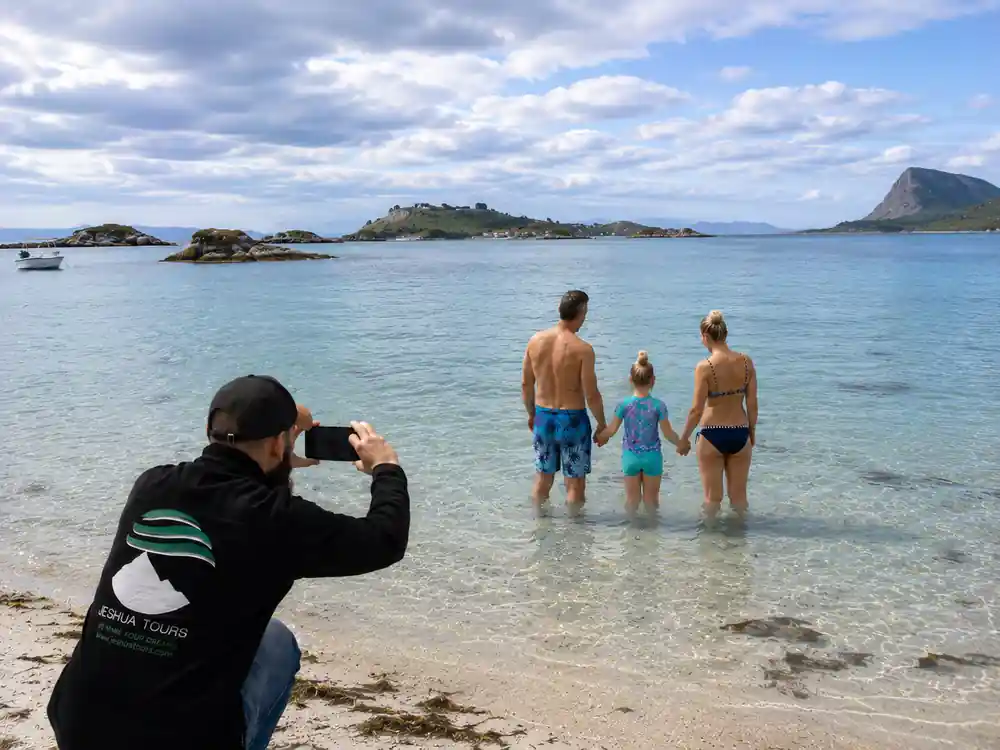
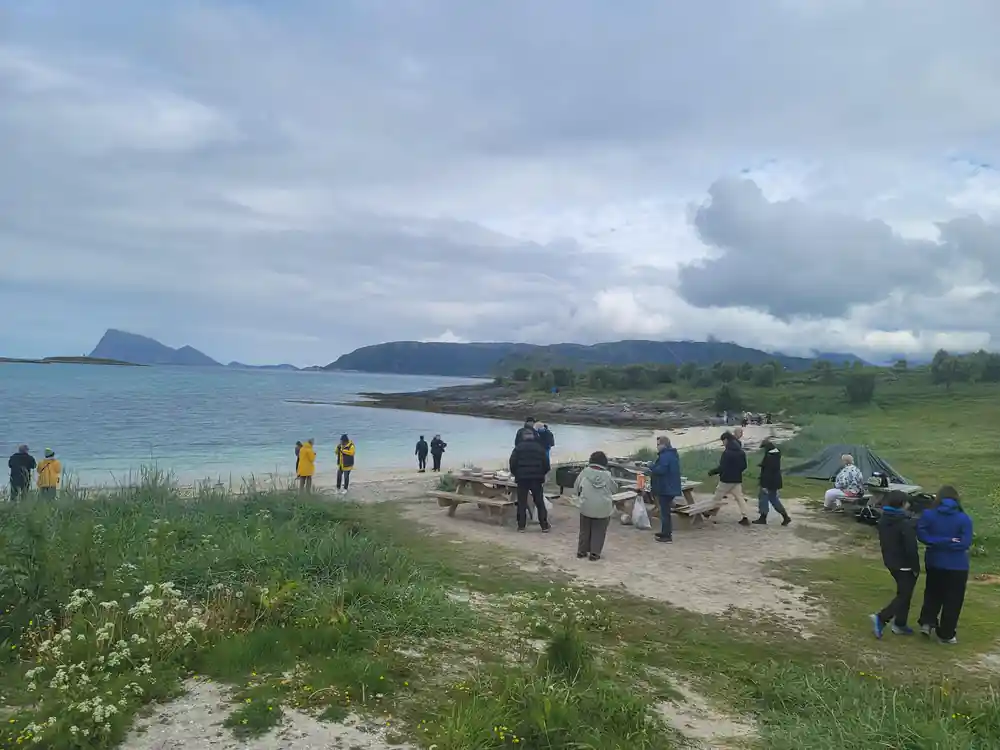
The Sommarøy Fjord Expedition Tour booked from this site is a natural fit if you want to combine a dip with a fjord day. It runs 4.5 hours, has a live guide speaking English and Spanish, and includes an audio guide.[4] The route reaches the white-sand shallows that make Sommarøy famous, where the water is clear enough to see the bottom. The price is from US$55.[4]
If you prefer a dedicated cold-water activity, there are separate listings too. An Arctic fjord floating outing in a survival suit has an English-speaking instructor, a group limited to 8 participants, and lasts 3.5 hours from US$232.[9] A winter sea kayaking tour takes you out for 5 hours with a guide, a group limited to 10, and a US$248 from price.[10]
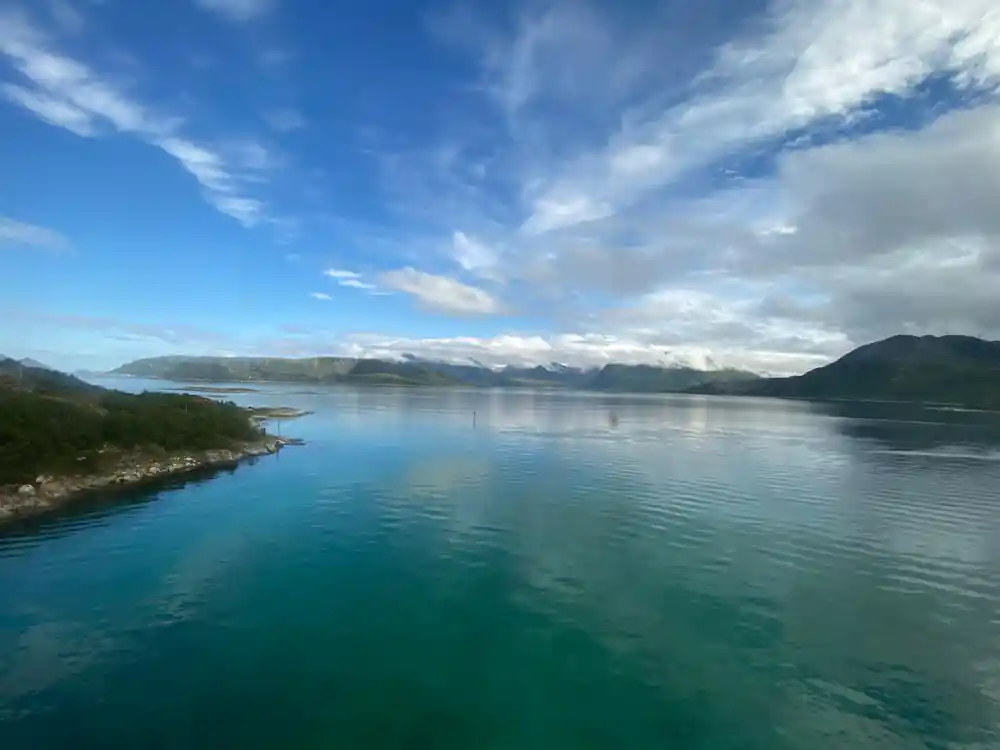
Bright turquoise water meets white sand at Sommarøy, where the urge to step in is hard to resist.
What is provided and what you bring
For the Sommarøy trip, the essentials on the tour side are clear: a live guide in English and Spanish, an audio guide, and a 4.5-hour itinerary.[4] The tour's own details cover the guide, timing, and audio commentary; for any dip, bring your own basics. That means swimwear you can pull on fast, a towel that does not stay damp all afternoon, warm clothes for after, and shoes that can get wet.
For a dedicated floating experience, the setting is different. A survival suit is the point of the activity, with an English-speaking instructor and a small group of 8 participants.[9] You still want the same after-plan: a warm hat, dry socks, and something hot to drink. Layers matter more than brand. A good wool or fleece layer under a windproof shell will serve you better than one heavy coat.
The certificate
Some people want a keepsake after a polar dip, and some operators provide one. Certificates vary by operator. If it matters to you, ask before you book. It is a small detail that can easily be decided over email. If you would rather let the memory be its own souvenir, skip the paper and focus on the feeling of dry socks and warm hands afterwards.
This site's tour booking gives you a sensible setup: cancel at no cost until 24 hours before, hold your reservation and pay later, and exact departure times once you review availability.[4] That flexibility matters more than a piece of paper. It lets you commit early, then decide sensibly as the day approaches.
from US$55
4.5-hour fjord expedition with English and Spanish live guiding, audio guide, and free cancellation up to 24 hours.[4]
Who should think twice
A cold-water dip is a physical stressor, not just a thrill. Anyone with a heart condition, high blood pressure, or a history of fainting should talk to a doctor before going in. The same goes if you are pregnant, or if you have ever reacted badly to cold. Cold shock can raise breathing and heart rate quickly. Do not test your limits on the day.
If you cannot swim, stay with a shallow beach entry and let the guide know. The water in Arctic Norway is clear but genuinely cold, and cold shock can make even good swimmers gasp. That is normal, but it is not a reason to push yourself. Nobody will be impressed by how long you stayed in; they will remember how much fun you had.
Age is not the issue; fitness and health are. If you walk regularly, you can almost certainly handle a short dip. What you should not do is surprise your body with cold water after a heavy meal, alcohol, or a late night. Treat the swim as the main event of the day, not an afterthought.
How to do it comfortably
Treat it like a small ceremony. Breathe slowly before you enter, hold a rail or a guide's hand, and lower yourself in rather than jumping. Stay long enough to catch your breath, then get out and warm up. The goal is a bright, laughing memory, not a shivering marathon. Once you are dry, move around a little, drink something warm, and let your body recover naturally.
A guided trip makes the logistics easy. The Sommarøy expedition from this site lasts 4.5 hours, runs in English and Spanish, and lets you cancel free up to 24 hours before if plans change.[4] Booking is from US$55 and uses reserve now, pay later.[4]
If you want a fuller cold-water session, the winter sea kayaking tour is another option, with a guide speaking English, a small group limited to 10, and a 5-hour duration from US$248.[10] Choosing one comes down to how you want the water to meet you: from the shore or from a kayak.
Is it worth it
If the idea makes you smile, yes. A few seconds of cold earns a long afterglow, and the Sommarøy setting is hard to beat. The tour booked from this site carries a 4.73 rating from 5,005 reviews, which tells you most travellers leave happy.[4] No rating can promise that you personally will love the water, but it does suggest the trip itself is well run.
Pair the dip with the full fjord outing and it becomes a proper Arctic day: white sand, pale turquoise shallows, and a 4.5-hour frame that leaves time to dry off and eat.[4] The trip is available from US$55, and cancellation is free if done up to 24 hours before the start.[4] If you have ever wanted to stand in Arctic water and feel completely alive, this is a low-risk way to find out.
From prices for Arctic water experiences
From-prices in US dollars: Sommarøy Expedition[4], easy winter kayaking with seals[11], Arctic fjord floating[9], winter sea kayaking[10].
Picking your water experience
Prices are from GetYourGuide listings: Sommarøy Expedition[4], easy winter kayaking with seals[11], Arctic fjord floating[9], winter sea kayaking[10].
When to plan your dip
Planning your arctic dip
Check the season
Book around the light you want: polar night runs roughly 27 November to 15 January[2], while midnight sun lasts from about 20 May to 22 July[3].
Pick a guided tour
The Sommarøy Fjord Expedition Tour from this site runs 4.5 hours with English and Spanish live guiding, audio guide, and from US$55.[4]
Pack for afterwards
Bring swimwear, a towel, warm layers, and a hot drink. You will want them within minutes.
Tell the guide your plans
Say you intend to go in. A live guide can watch conditions and keep the timing sensible.
Keep the dip short
Enter slowly, breathe, stay briefly, then get dry and warm. Nobody is grading your time.
Warm up properly
Change fast, drink something warm, and let the adrenaline settle before the drive back.
See Sommarøy's white sand and cold blue water on a guided fjord expedition.
from US$55Reserve now & pay later