Worth remembering
- Plan the practical things first. Tromsø sits 400 km north of the Arctic Circle[1], and the airport to city transfer takes about 10-20 minutes[2]. Base yourself in Tromsø and make Sommarøy a relaxed day trip.
- The Tromsø: Sommarøy Fjord Expedition Tour & VIP Salmon Picnic starts from US$55, lasts 4.5 hours, and includes a live guide in English or Spanish.[3]
- It is rated 4.73 from 5,005 reviews on GetYourGuide, which tells you this is a proven way to see the fjords and island.[3]
- Pay later on a current reservation; free cancellation applies up to 24 hours before, with a full refund.[3]
- The midnight sun usually lasts from around 20 May to 22 July[4], while the polar night lasts approximately from 27 November to 15 January[5]. Winter averages around -4°C.[6]
- Top choice Sommarøy Expedition from US$55 Duration4.5 hours[3]Rating4.73 from 5,005 reviews[3]GuideLive guide in English, Spanish[3]CancellationFree cancellation up to 24 hours in advance[3]HighlightsVIP salmon picnic, fjord stops, island scenery Check availability
- Tromsø Fjords Tour from US$121 Duration5 hours[7]Rating4.88 from 639 reviews[7]GuideLive guide in English[7]CancellationFree cancellation up to 24 hours in advance[7]HighlightsKvaløya, Ersfjordbotn, fishing village, secret stop See this tour
- Small Group Kvaløya & Sommarøy from US$178 Duration5.5 hours[8]Rating4.86 from 162 reviews[8]GuideLive guide in English[8]CancellationFree cancellation up to 24 hours in advance[8]HighlightsSmall group, Kvaløya, Sandvika, Sommarøy See this tour
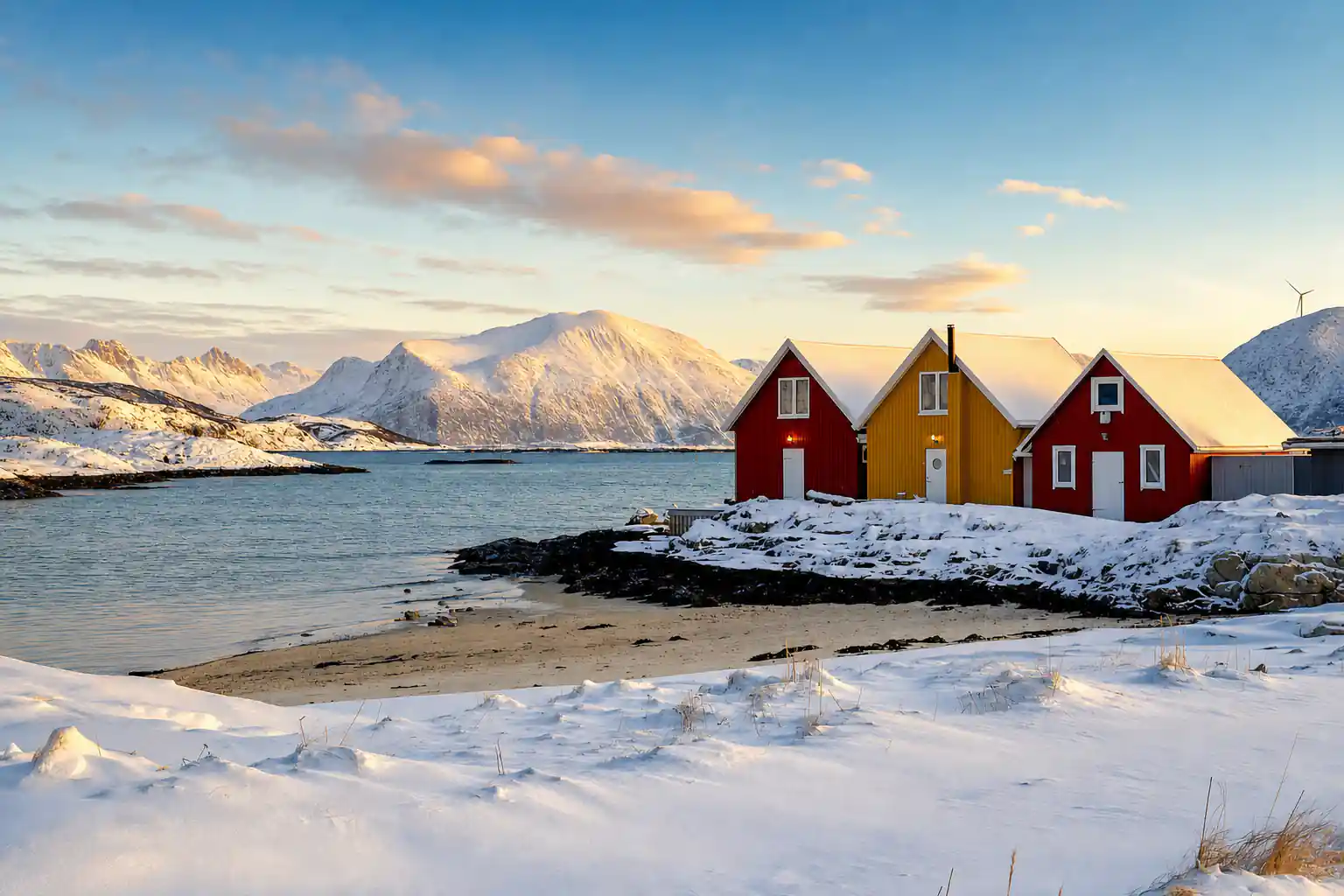
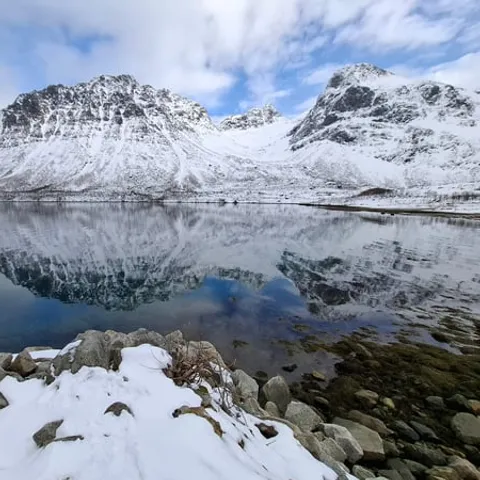
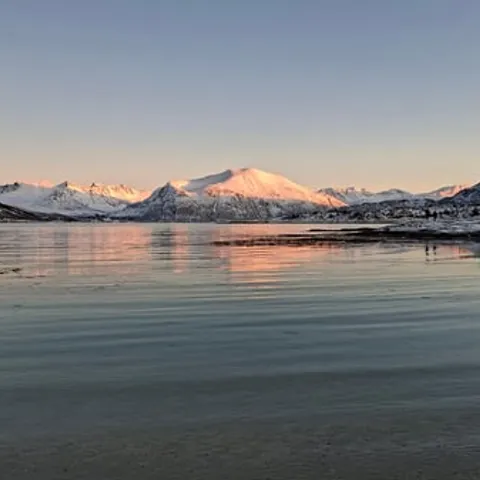
The Polar Night lasts approximately from 27 November to 15 January, while the exact date when the returning sun becomes visible depends on your location and the surrounding terrain.
A calm, beautiful fjord day that suits first-timers and return visitors
Read before booking
Where it is and how you get there
Sommarøy sits to the west of Tromsø, across Kvaløya, the large island that shelters the city from the open sea. Kvaløya has an area of 737 square kilometres and 13,030 inhabitants, including the small island Håkøya.[9] Tromsø itself lies 400 km north of the Arctic Circle, at 69°N.[1] The journey from the city centre to Sommarøy is a classic Norwegian road trip, with bridges, tunnels, and coastal views most of the way.
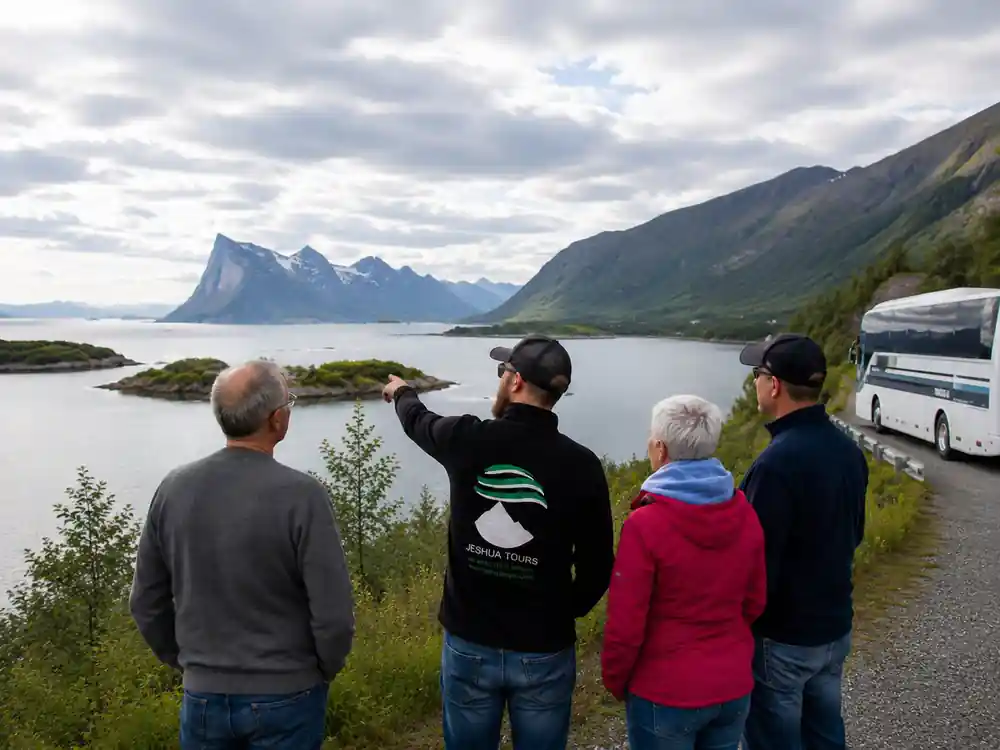
If you are flying in, the transfer between Tromsø Airport and the city centre takes about 10-20 minutes.[2] Most Sommarøy tours leave from Tromsø, so it makes sense to stay in the city and let a guide handle the route. The Sommarøy Fjord Expedition Tour is a 4.5-hour experience with a live guide in English or Spanish, and it includes an audio guide as well.[3] Bookings start at US$55; reserve now, pay later, and free cancellation is possible until 24 hours before.[3]
A half-day tour is a practical way to see the island without rushing. You can combine it with the rest of a Tromsø itinerary, since the expedition returns to the city in time for an evening plan. The route crosses bridges and tunnels, and the scenery changes from urban to open coast within a short drive. Listen to your guide for local stories about the landscape and the fishing life.
Why the beaches look like that
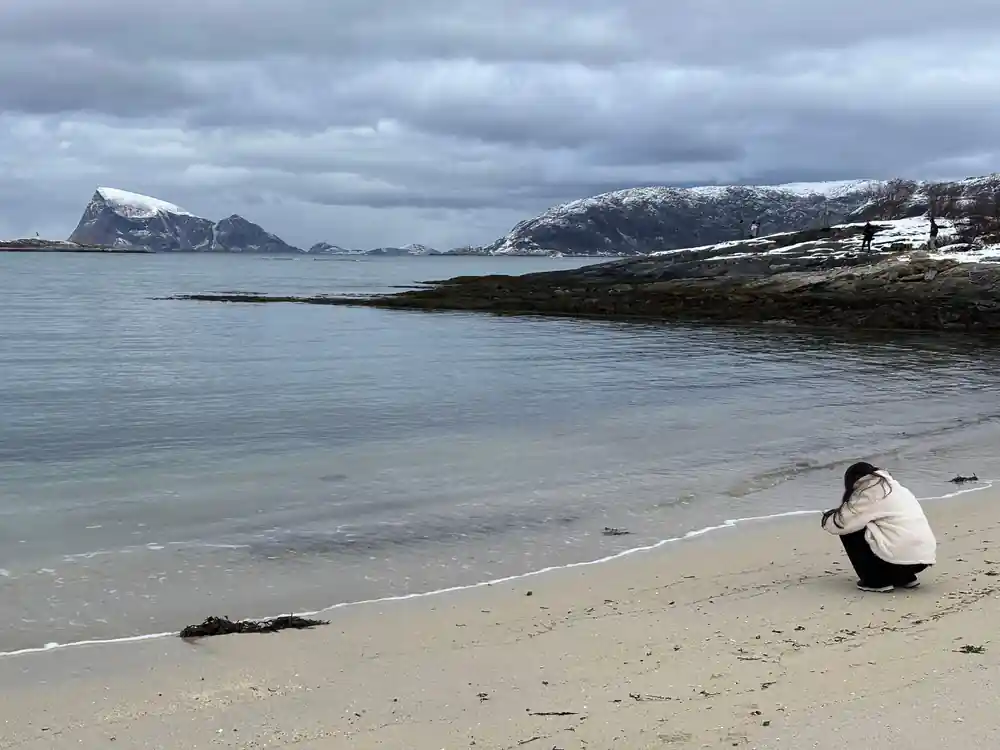
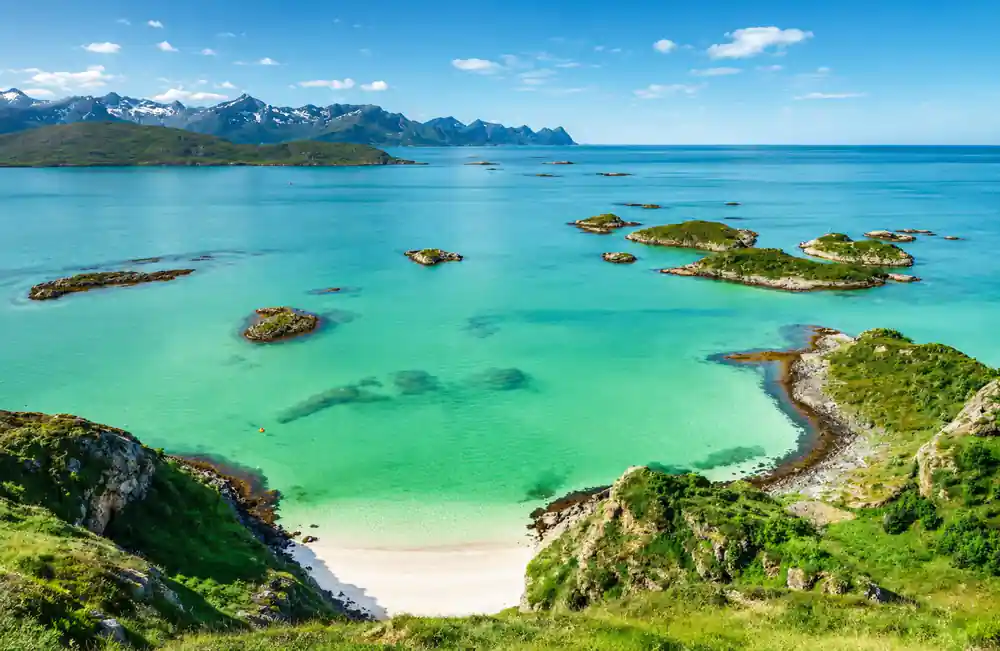
The beaches around Sommarøy are not tropical, yet they catch you off guard. In the right light the sand is pale, the shallows are turquoise, and the sea glows against the snow or the grey-green tundra. The colour comes from fine shell fragments, crushed stone, and clear Arctic water. Glacial action and the constant movement of the sea have worn the coastline into coves, skerries, and low white strands between rocky headlands.
Walk a little way from the main village and you find sheltered bays where the water is almost still. The horizon is filled with islands and mountains rather than open ocean. It is a quiet, elemental landscape, and it changes minute by minute as clouds move across the sun. This is the scenery the tour is built around, with stops that let you see the pale sand, the old fishing cabins, and the shallow water that makes Sommarøy so recognisable.
Bring a camera even on a cloudy day. The light over the water can be extraordinary, and the contrast between pale sand and dark peaks makes a strong photo. In calm weather the sea mirrors the sky; when a breeze arrives, the surface turns to silver. Seabirds often ride the currents near the shore, adding life to an already dramatic view.
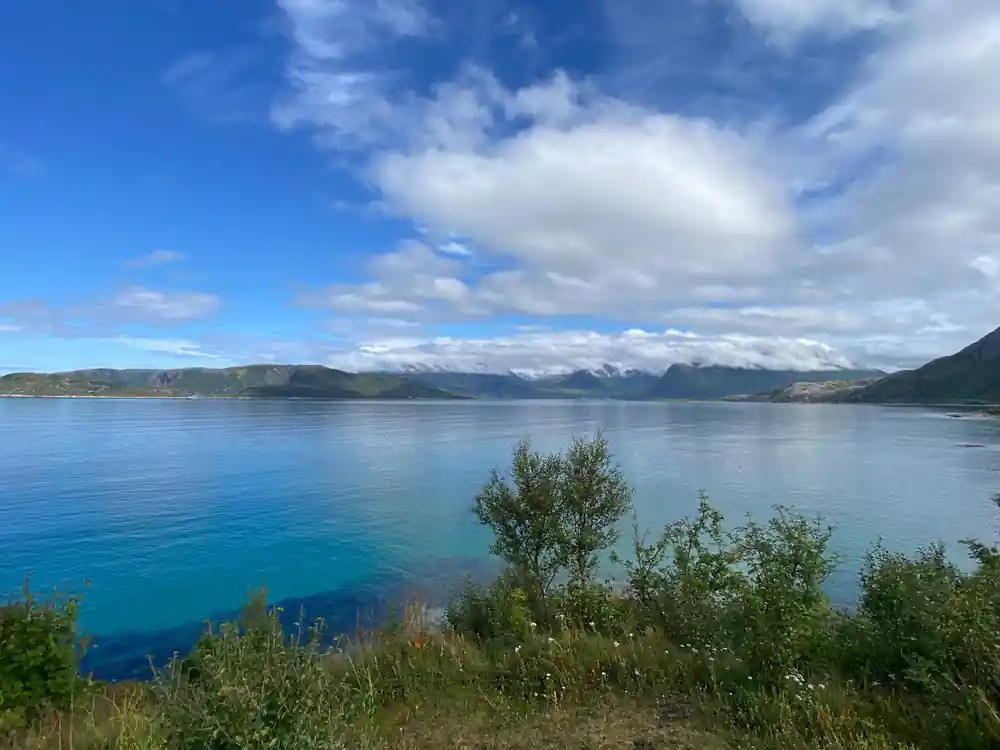
Pale sand, turquoise shallows, and red cabins against a snowy shore: the classic Sommarøy view.
It is a real village
Sommarøy is not just a scenic stop. It is a working fishing village, with red and yellow wooden houses, a harbour, and the rhythms of the sea all around it. Fish racks, boats, and boathouses are part of the everyday view. The tour route passes through this kind of coastal settlement, and a salmon picnic gives you a taste of the local food culture in a setting that feels personal.[3]
The village sits on an island connected by bridges, so you can wander from the main settlement to smaller islets on foot. In summer, flowers grow right down to the white sand. In winter, the same shore is edged with ice and snow, and the palette turns to blue, grey, and white. It is a place where the weather is part of the charm, so it pays to dress for the season and let the light do the rest.
Take a moment in the village to watch how people work around the season. In summer the harbour is busy with boats and visitors; in winter it is quieter, with snow on the rooftops and frost in the air. If you are used to city noise, the silence here is striking. The tour allows time for these small moments, and they often become the memories you keep.
The story about abolishing time
Sommarøy is also known for a playful, much-loved local campaign to declare itself a time-free zone. Residents have placed clocks on the bridge asking visitors to leave their watches behind. It is a gesture about slowing down, enjoying the long light of summer, and remembering that in the Arctic the usual rules of the day do not always apply.
You will not need a clock to enjoy the place. The tour lasts 4.5 hours, but the point is not to rush.[3] You have time to stand at the waterline, watch the light change, and taste the salmon picnic without feeling herded. That sense of unhurried calm is exactly what many travellers are looking for when they head to an island like Sommarøy.
The time-free idea is a reminder that travel works best when you let go of a tight schedule. On an island shaped by the midnight sun and the polar night, the usual rhythm of morning and evening means less than it does further south. The result is an easy-going feeling that suits the unhurried pace of a fjord expedition. You can simply watch the water, breathe the cold air, and enjoy being somewhere different.
from US$55
Sommarøy Fjord Expedition Tour & VIP Salmon Picnic starts from US$55, is rated 4.73 from 5,005 reviews, and free cancellation applies until 24 hours before.[3]
What there is to do
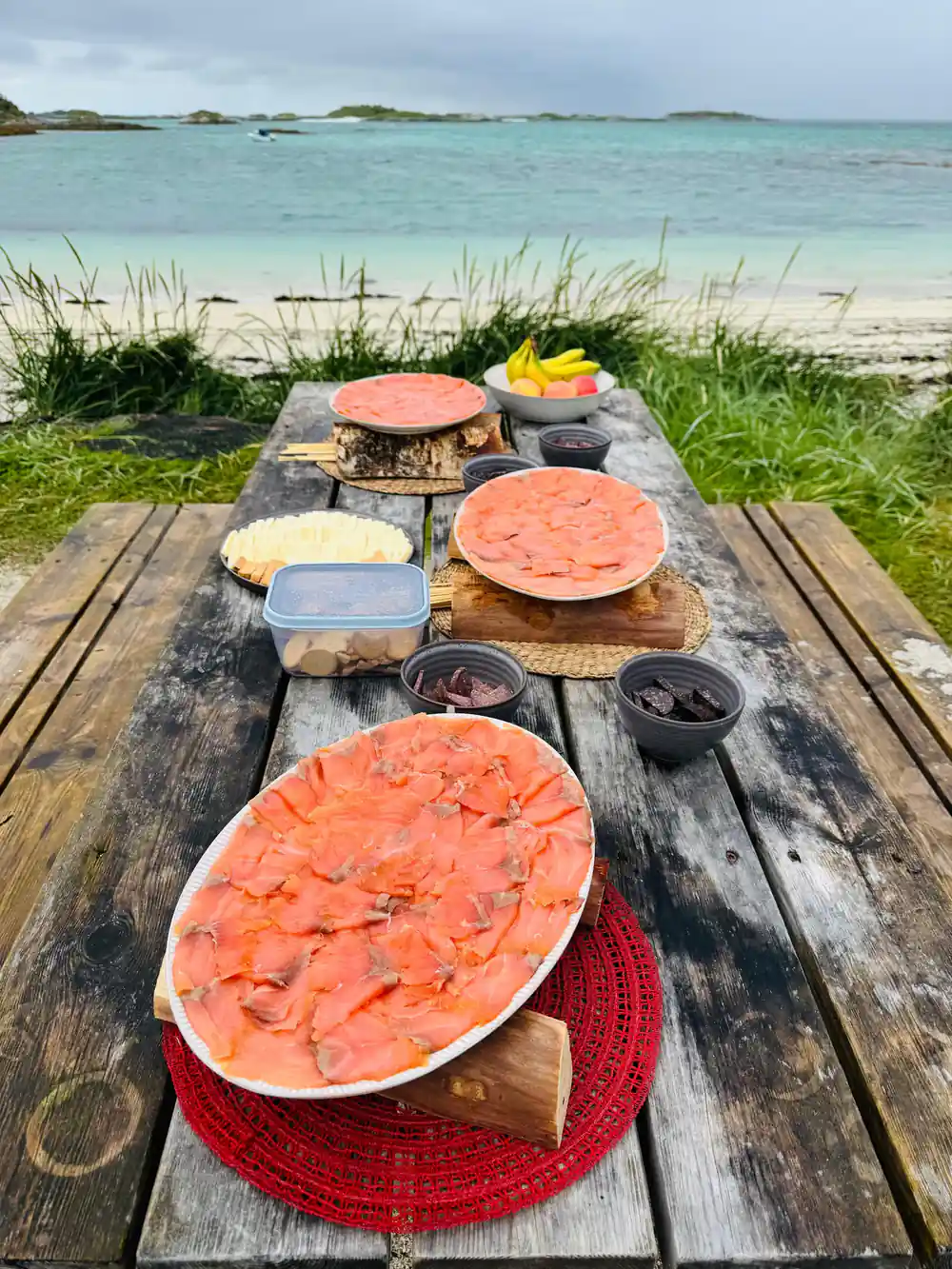
A guided expedition is the simplest way to see the fjords and Sommarøy, and the Sommarøy Fjord Expedition Tour covers the essentials in half a day. You get a live guide in English or Spanish, an audio guide, a salmon picnic, and stops that frame the island at its best.[3] The tour starts from US$55 and has a GetYourGuide rating of 4.73 from 5,005 reviews.[3]
If you have more time, you can also add other experiences to a Tromsø visit. In winter, the waters north of Tromsø draw orcas and humpback whales, which gather to feed on herring.[10] In September and October, Norwegian spring-spawning herring migrates northeast to wintering areas in northern Norway's fjords and off its coast.[11] Whale watching vessels in Norway must keep at least 0.2 nautical miles (370 meters) away from fishing vessels, seines, and fixed fishing gear.[12]
If you are travelling with different interests, a half-day fjord tour leaves room for other Tromsø experiences: museums, food, or a sauna by the harbour. A little planning goes a long way. Pair an active morning with a slower afternoon, and you will see more without feeling exhausted. A Sommarøy expedition fits neatly into that kind of balanced day.
The light, month by month
The light is the real star of any trip north. In Tromsø, the midnight sun is usually above the horizon from about 20 May to 22 July, making evenings in Sommarøy feel nearly endless.[4] Conversely, from about 27 November to 15 January the sun never fully rises, and the surroundings take on blue and purple hues during the polar night.[5] In the winter months, Tromsø's average temperature hovers around -4°C, so you'll want to pack accordingly.[6]
Between those extremes, the northern lights may be visible in the Tromsø region from late August to early April, whenever the sky is dark and sufficiently clear.[13] A Sommarøy day trip in autumn or winter can therefore begin in daylight or twilight and end under a dark, starry sky. In spring, long evenings and snow-covered peaks create a different kind of beauty. Whenever you go, the quality of the light will shape your memory of the sand, the sea, and the mountains.
For photographers, the hours around sunrise and sunset are especially rewarding, even though sunrise itself disappears during the polar night. The blue hour can last for hours in winter, and the snow-covered hills take on pink and orange tones at the edges of the day. Summer brings the opposite pleasure: soft, golden light that seems to go on forever. Whichever season you choose, give yourself time to watch the sky.
When to come
Choose your season based on what you want to see. If you dream of the white sand under a low Arctic sun, late spring and summer give you the longest days and the mildest conditions. The midnight sun lasts from around 20 May to 22 July.[4] If you want the aurora, come between late August and early April, when the northern lights may be visible on dark, clear nights.[13]
Whale season adds another reason to visit in winter. Orcas and humpback whales gather in the fjords north of Tromsø to feed on herring.[10] For a relaxed introduction to the scenery, the Sommarøy Fjord Expedition Tour works well in every season. It is a 4.5-hour loop from Tromsø, with a live guide, an audio guide, a salmon picnic, and free cancellation up to 24 hours in advance.[3] Book from US$55, and let the island work its quiet magic.[3]
If you have only one day in Tromsø, this trip is a fine way to spend it, but do not overstuff your schedule. Arrive at the meeting point with water, a small snack, and a charged phone. Leave your expectations flexible; Arctic weather can change quickly, and the best travellers adapt. The tour's free cancellation gives you useful flexibility if plans change.[3]
Sommarøy tour from-prices in US dollars
Compare Sommarøy tour prices
From-prices are in US dollars and come from.[3][8][14][15]
When to book your Sommarøy experience
Plan your Sommarøy day
Choose your date and book
Check GetYourGuide for starting times, then reserve the Sommarøy Fjord Expedition Tour from US$55 with free cancellation.[3]
Meet your guide in Tromsø
Arrive at the meeting point with layers and comfortable shoes. The tour runs for 4.5 hours with a live English or Spanish guide.[3]
Cross Kvaløya toward the coast
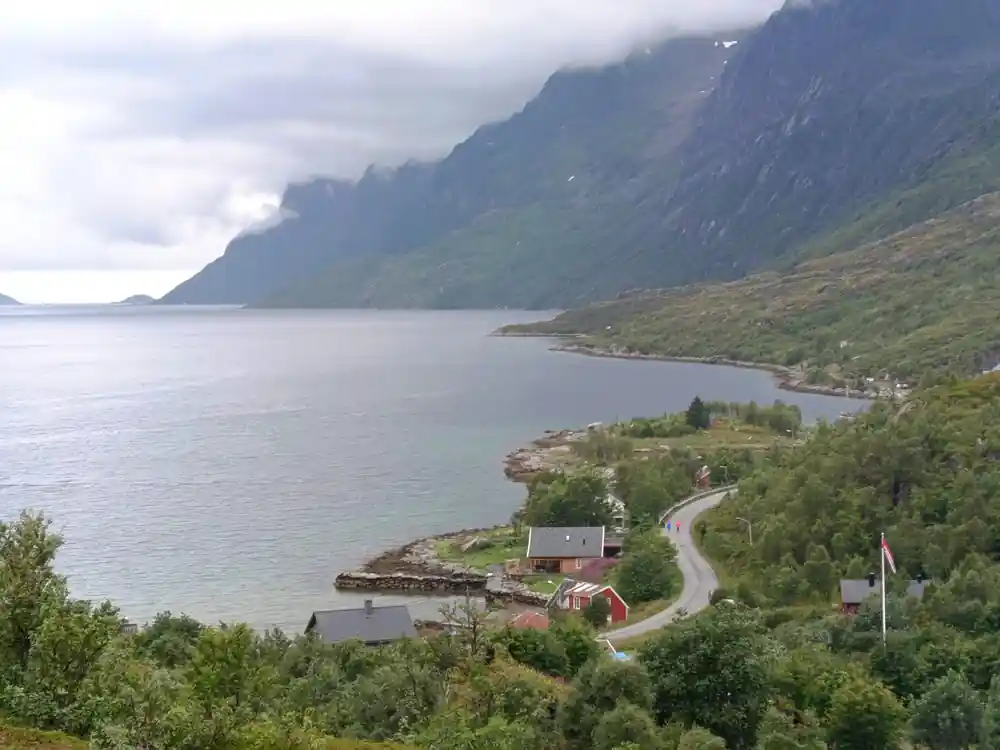
Enjoy the bridges, fjords, and mountain views. Kvaløya covers 737 square kilometres, so there is plenty to see on the way.[9]
Walk the pale sands
Stop at Sommarøy and the nearby shoreline, where the shallow water shines turquoise beside the old fishing cabins.
Savour the salmon picnic
The VIP salmon picnic is part of the tour, laid out in a scenic spot at the edge of the fjord.[3]
Return to Tromsø
Wrap up your 4.5-hour loop and head back to the city, with plenty of time left for an evening in Tromsø.[3]
Ready for turquoise water, white sand, and a salmon picnic in the Arctic?
from US$55Reserve now & pay later