Worth remembering
- See the coast around Tromsø by coach, with a 4.5-hour tour, a live English or Spanish guide and an audio guide.[1]
- Turquoise shallows, white sand and red fishing cabins are the payoff for reaching the island without a boat.
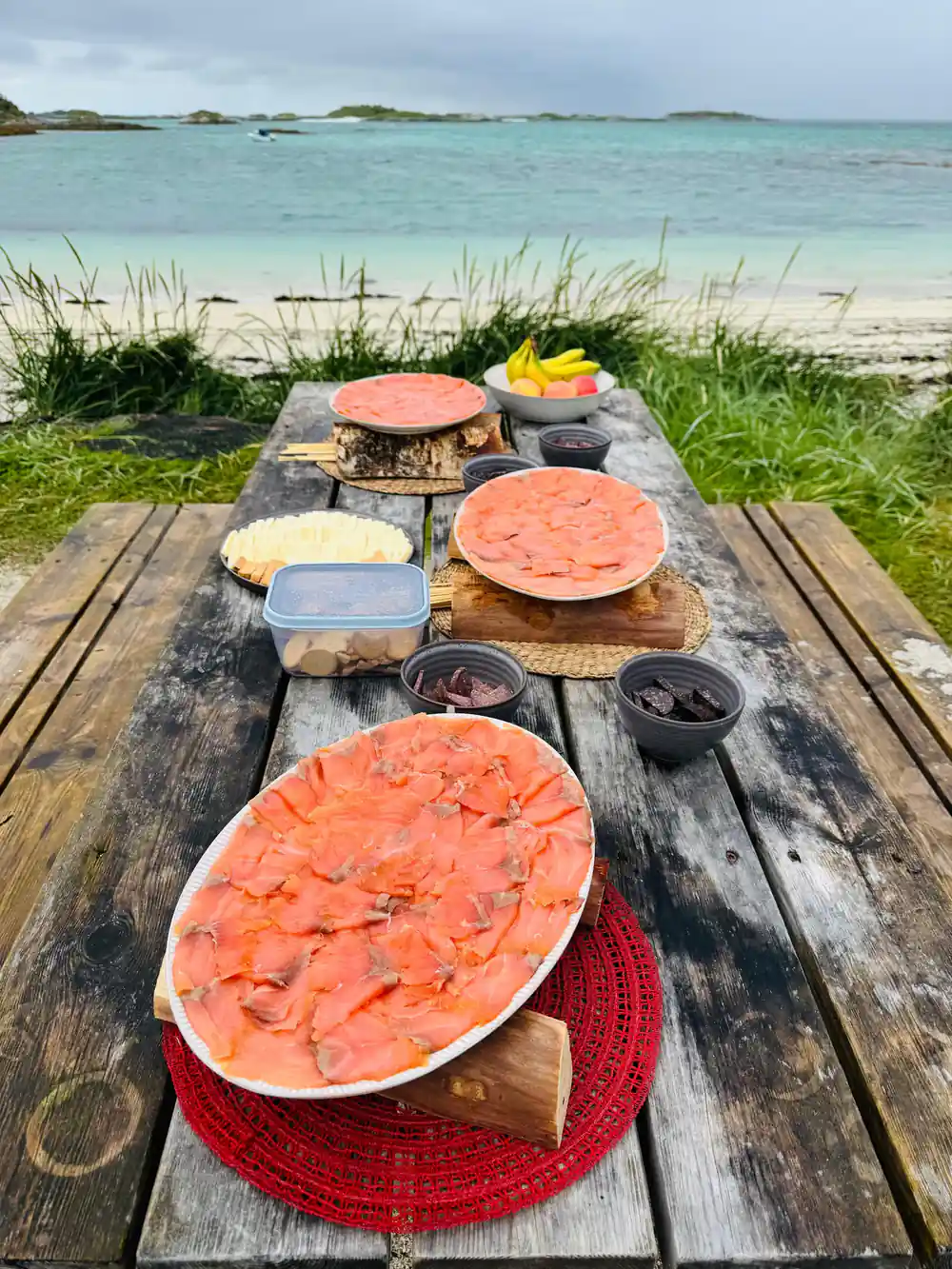
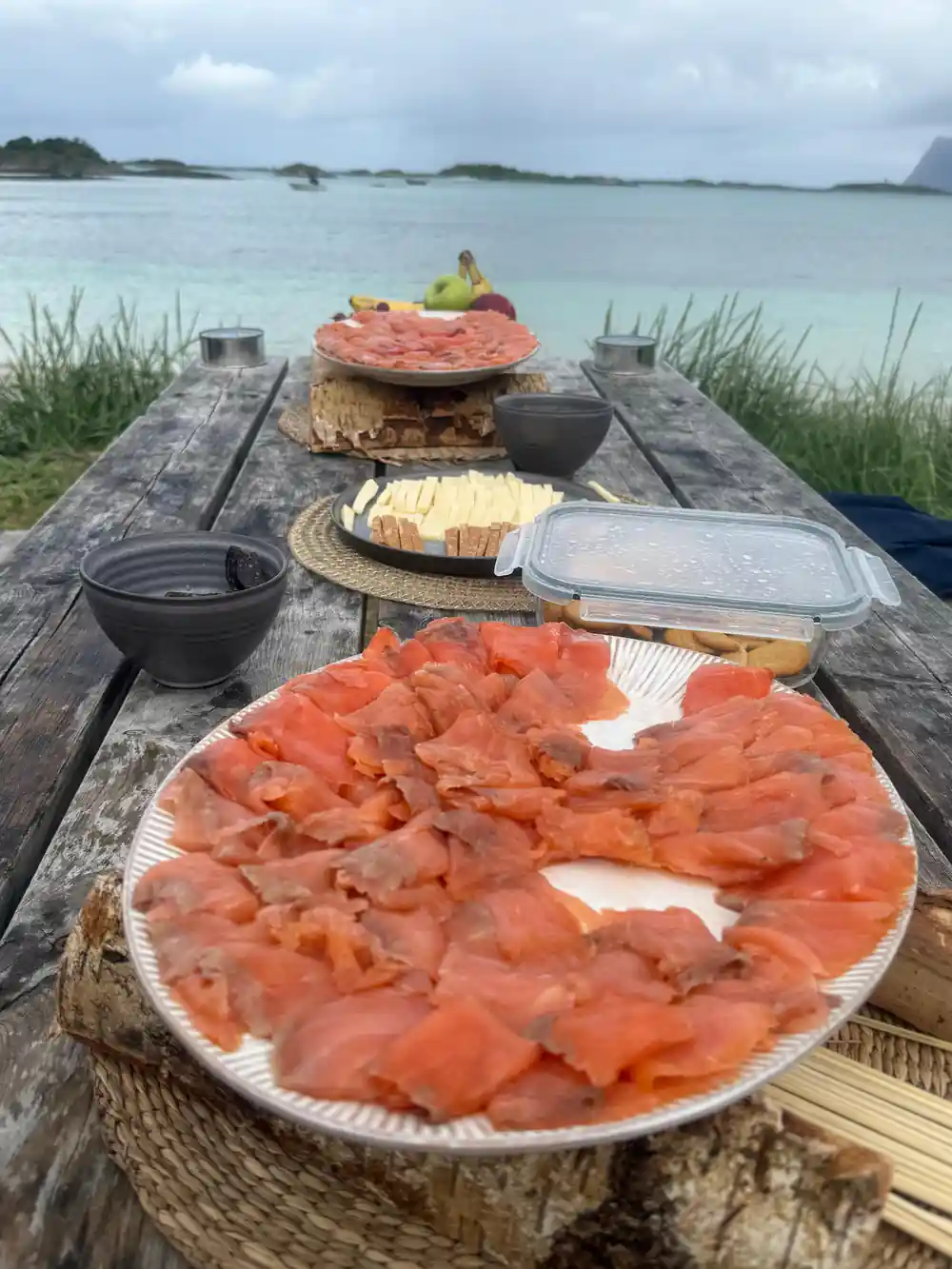
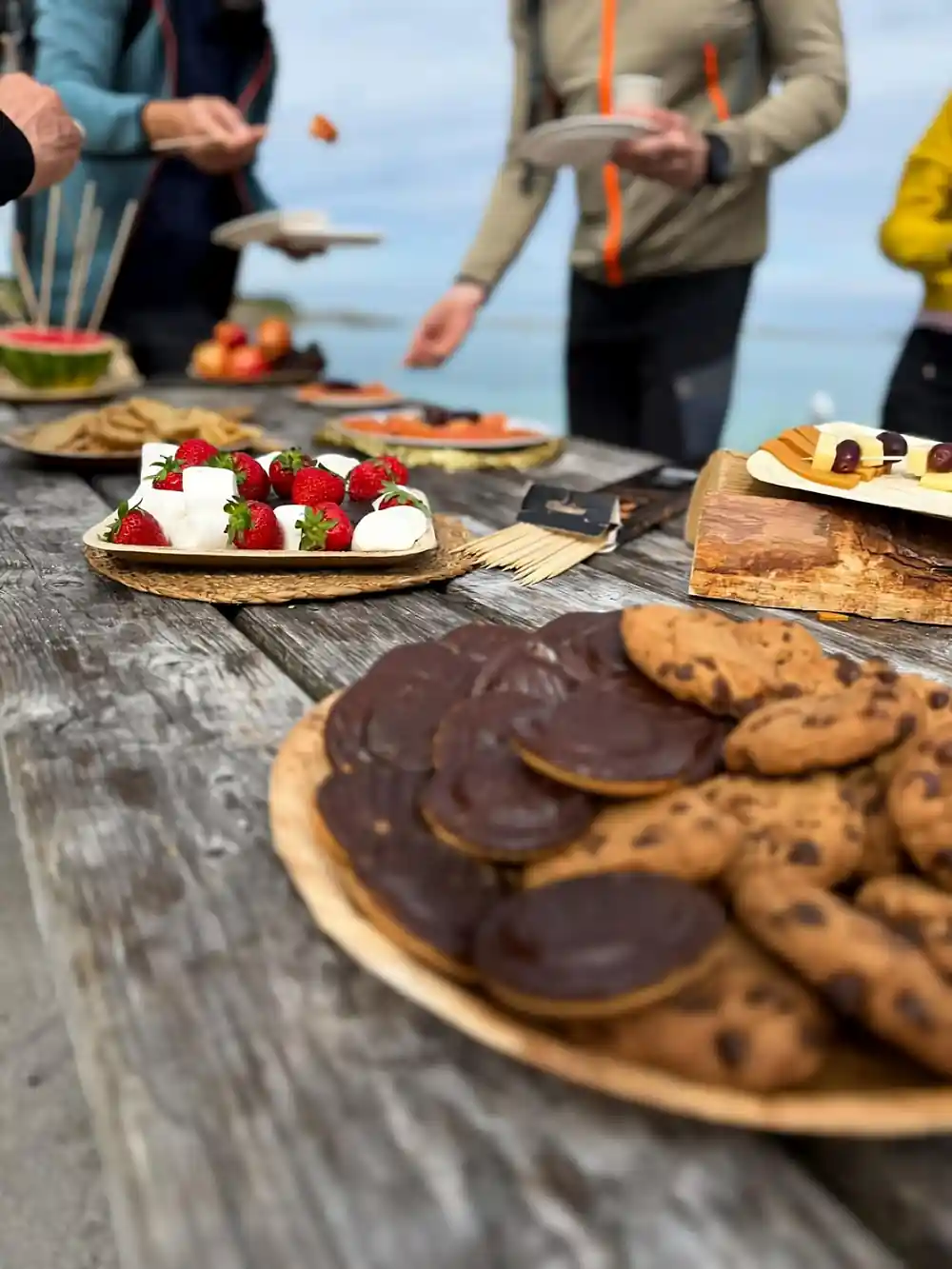
- A picnic table spread with salmon, fruit, cookies and strawberries, set by the water, is the tour's signature moment.
- Reserve now and pay later, and cancel up to 24 hours in advance for a full refund.[1]
- The airport is about 10-20 minutes from the centre, so even a short stay leaves room for this trip.[2]
- Top choice Sommarøy Expedition from US$55 Duration4.5 hours[1]Live guideEnglish and Spanish[1]Rating4.73 from 5,005 reviews[1]Meal focusSalmon picnic Check availability
- Tromsø Fjords Tour from US$121 Duration5 hours[3]Live guideEnglish[3]Rating4.88 from 639 reviews[3]Meal focusNone in title See this tour
- Kvaløya & Sommarøy from US$178 Duration5.5 hours[4]Live guideEnglish[4]Rating4.86 from 162 reviews[4]Meal focusLunch See this tour
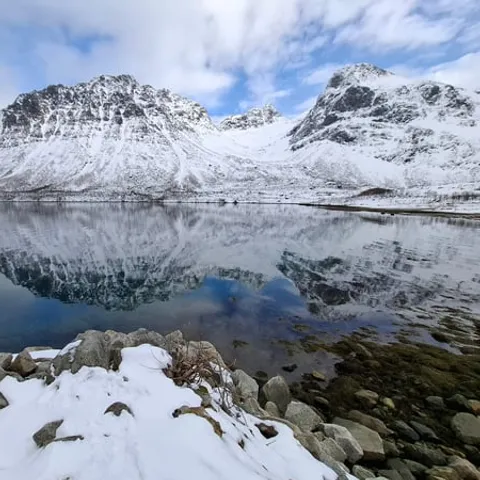
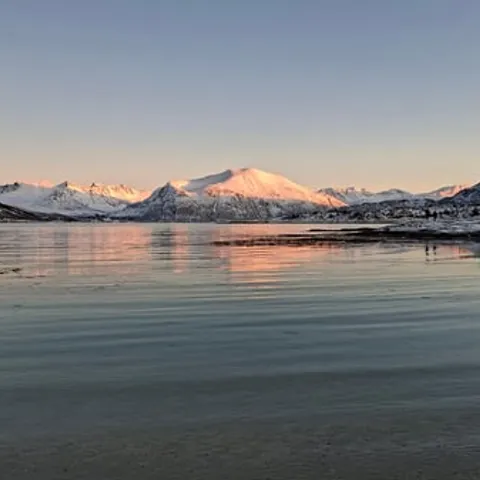
The average winter temperature in Tromsø is around −4°C.
The road route is a great call for Arctic first-timers
Plan for the Arctic light
Why this needs saying at all
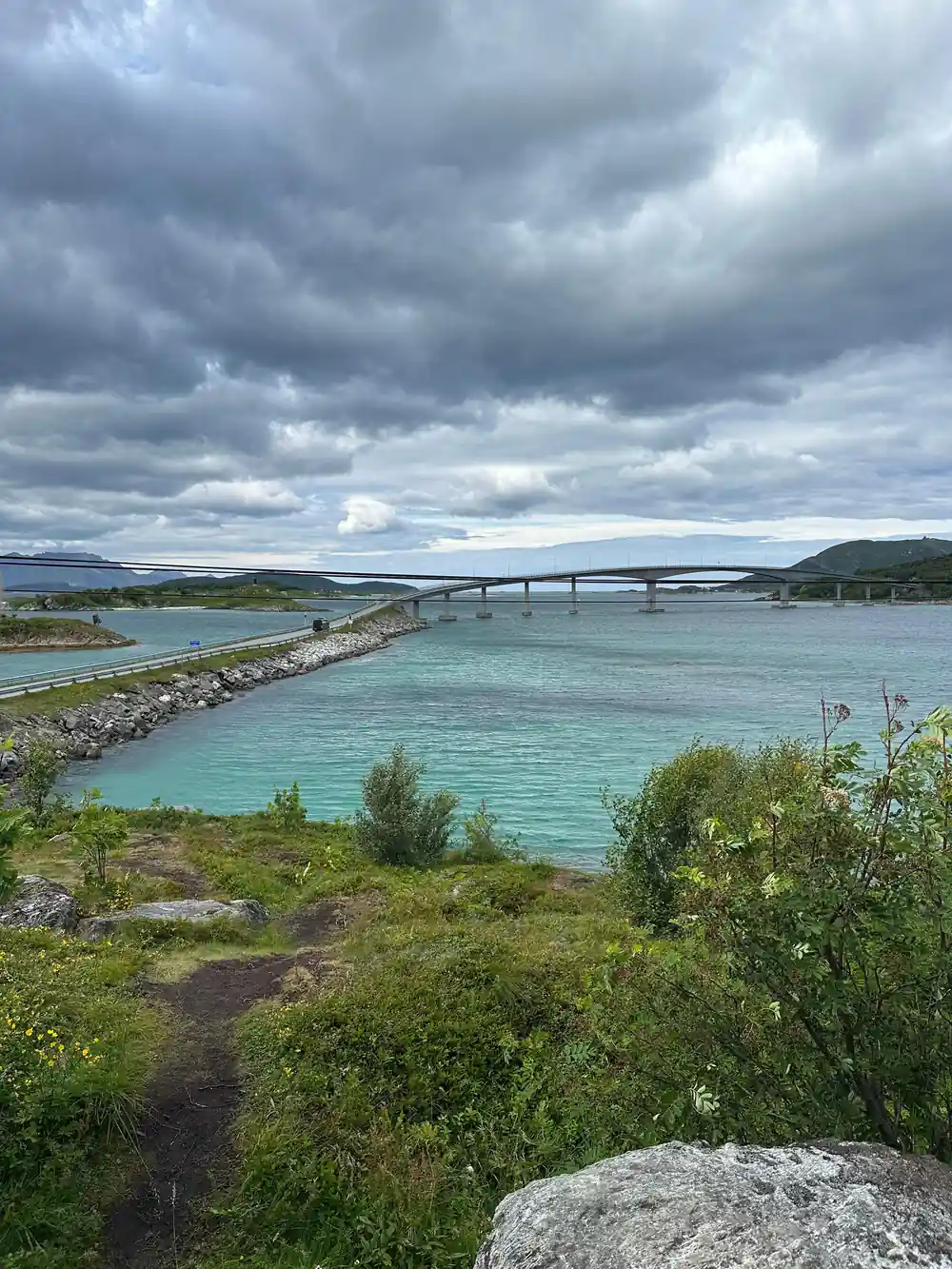
Many travellers assume that a fjord tour means boarding a boat. The coast around Tromsø tells a different story: bridges leap from island to island, the road swings along shorelines, and mountains open out to the sea at every turn. The Sommarøy Fjord Expedition Tour & VIP Salmon Picnic is built around that road, a 4.5-hour coach trip with a live guide in English or Spanish and an audio guide for the quieter stretches.[1] It is a half-day format that suits first-timers and returning visitors alike.
This matters because a coach trip is often the practical choice. At a from price of US$55, the expedition fits easily into a short break, leaves your evening free, and still delivers the Arctic scenery many visitors came to see.[1] If you are weighing this against a boat, remember that you can spend the rest of the day exploring Tromsø's museums and cafés without being worn out.
It is also worth saying clearly that the road is not a compromise version of the fjord experience. It is simply a different way in, and for many travellers it is the better way. The boat is not the only route to the landscape you came for.
What a road route can do that a boat cannot
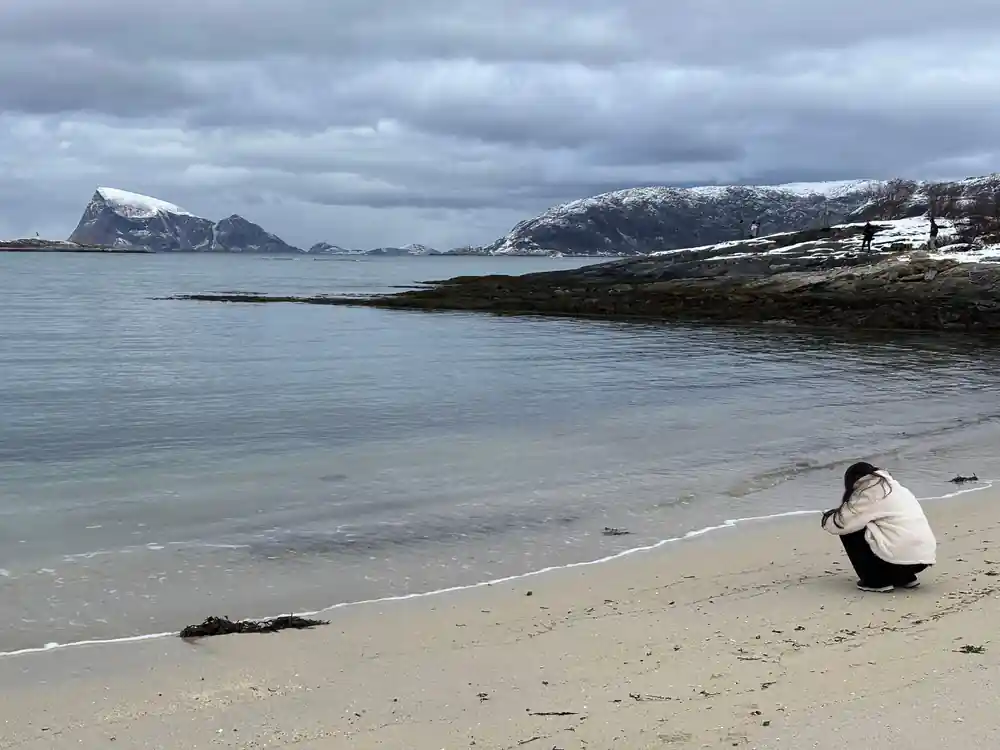
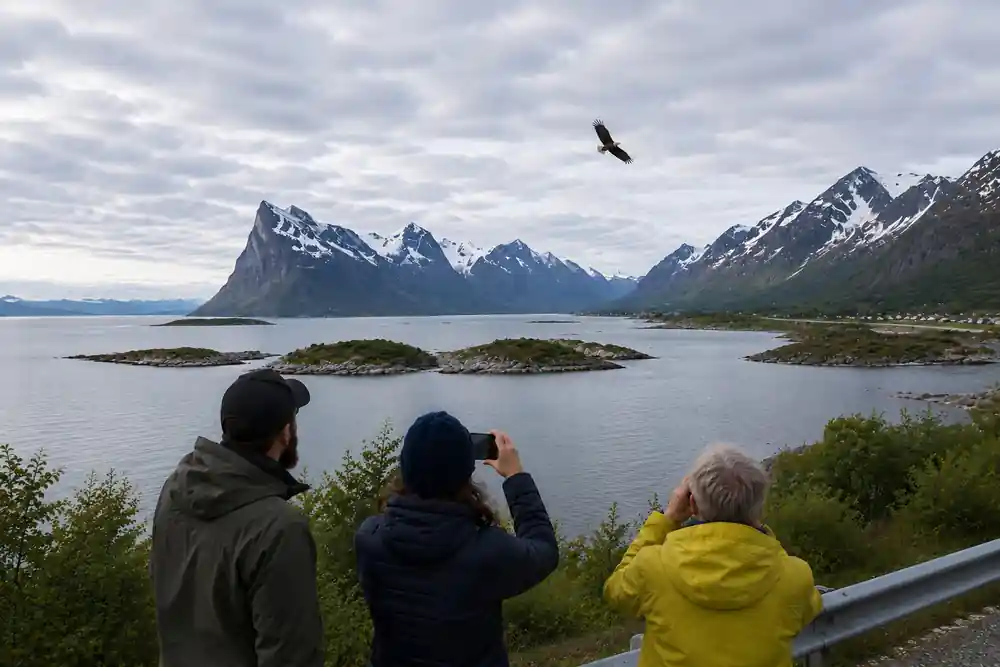
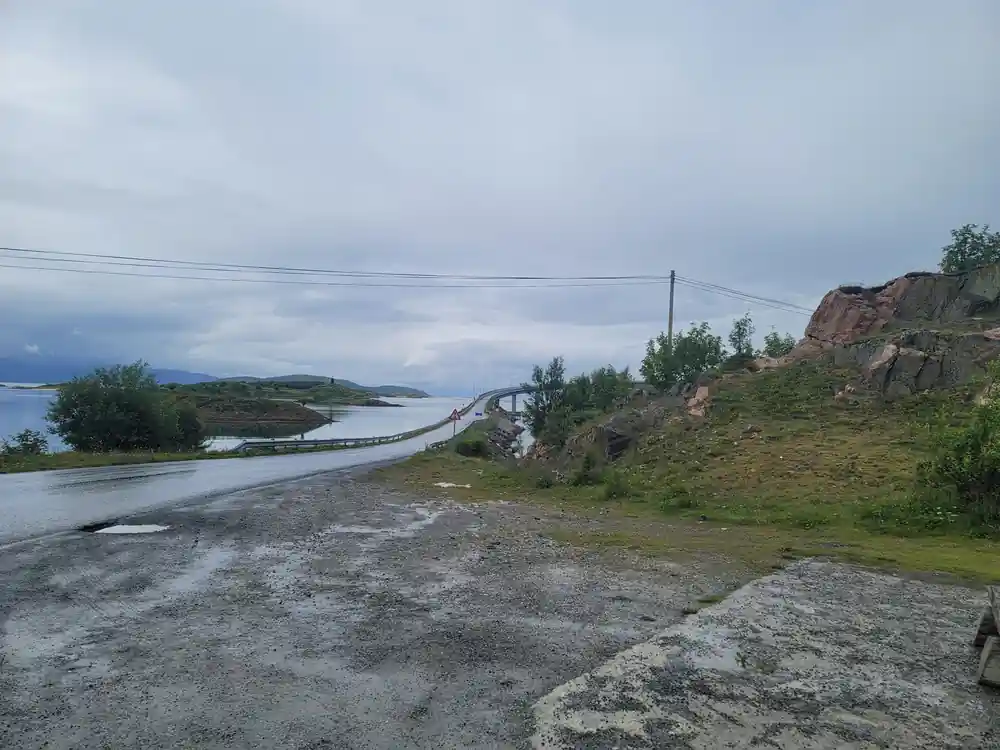
Tromsø lies 400 km north of the Arctic Circle at 69°N, and the island of Kvaløya, immediately west of the city, spreads across 737 square kilometers with a population of 13,030 in 2018.[8][9] A road tour crosses that landscape on its own terms. The route itself is the attraction: water on both sides, mountain walls ahead, and tiny settlements tucked into the bays. You pass through fishing villages, over bridges and along coastal roads, watching the terrain shift from snowy slopes to open water without ever leaving your seat.
From a boat you get the view at water level, and winter brings the major wildlife: orcas and humpback whales feed on herring in the fjords that lie north of Tromsø.[10] But the road tour gives you the land story, the everyday Arctic of red cabins, drying racks and white sand beaches. You see how people actually live on this coast, not just how it looks from the middle of a channel. Whale watching is a winter pursuit, and it is a thrilling one, but it is not the whole story of the Arctic coast.
For a Tromsø fjord arctic adventure expedition that includes both the grand view and the small details, this coach route is the one to pick. It gives you the same mountains, the same water and the same light, with the added texture of the villages along the way.
The VIP salmon picnic set out beside pale turquoise shallows near Sommarøy.
What you give up
Honesty first: a coach will not give you the swell of the sea, the salt on your face or the sensation of a cliff rising straight up from the water. If that is the experience you came for, Tromsø has fine boat trips, including an Arctic fjord cruise in polar landscapes from US$121 and a fjord history cruise from US$157.[11][12] Read the tour descriptions and match them to the weather, and you will not go far wrong.
The main loss is the whale season. During winter, orcas and humpback whales assemble in this region to eat herring, and the boats that carry you there offer a completely different kind of trip.[10] If whales are the reason you chose Tromsø, book a whale safari and save this road trip for another day.
Outside that window, though, the road gives you more of the region's character in the same half-day. You trade the open water for the shoreline, and the picnic table becomes the memory you keep. It is a fair exchange for many travellers.
Weather, and why it matters less
Tromsø winters are cold but rarely extreme by Arctic standards. Winter temperatures average about −4°C, and the polar night runs from approximately 27 November through 15 January; the sun's return depends on location and terrain.[5][7] Those conditions are exactly where a coach earns its keep: you stay warm and dry while the landscape changes outside the window.
Light is part of the appeal at every season. From late August until early April, the northern lights may appear whenever darkness and clear skies allow, while the midnight sun normally shines from around 20 May through 22 July.[6][13] On a road tour, weather matters less: the route keeps moving, and the coach does not roll with the waves. For photographers, the low winter light is a gift that no amount of wind can spoil.
That is not to say the sea is off limits in winter. It simply means that the comfort case for staying on land gets stronger when the wind picks up. A day that would cancel a small boat still works fine as a road trip.
from US$55
4.5-hour Sommarøy coach tour with live English or Spanish guide, audio guide and a VIP salmon picnic by the water.[1]
The coach itself
The tour is run in a proper touring coach, the kind with big windows, comfortable seats and a driver who knows the bends. You spend 4.5 hours on the road, guided live in English and Spanish, with an audio guide for the stretches when you want to listen at your own pace.[1]
The centrepiece is the VIP salmon picnic. The guides lay out a table by the water with salmon, fruit, strawberries and cookies, and the pale turquoise shallows of Sommarøy sit right behind it. While you wander, they finish the spread and are happy to take the group photo. It is the sort of unhurried, generous moment that makes a half-day tour feel like a proper expedition.
The coach can pull over where the view is best, let people stretch their legs, and move on without waiting for tides or berths. That flexibility is built into the format.
Getting off is optional
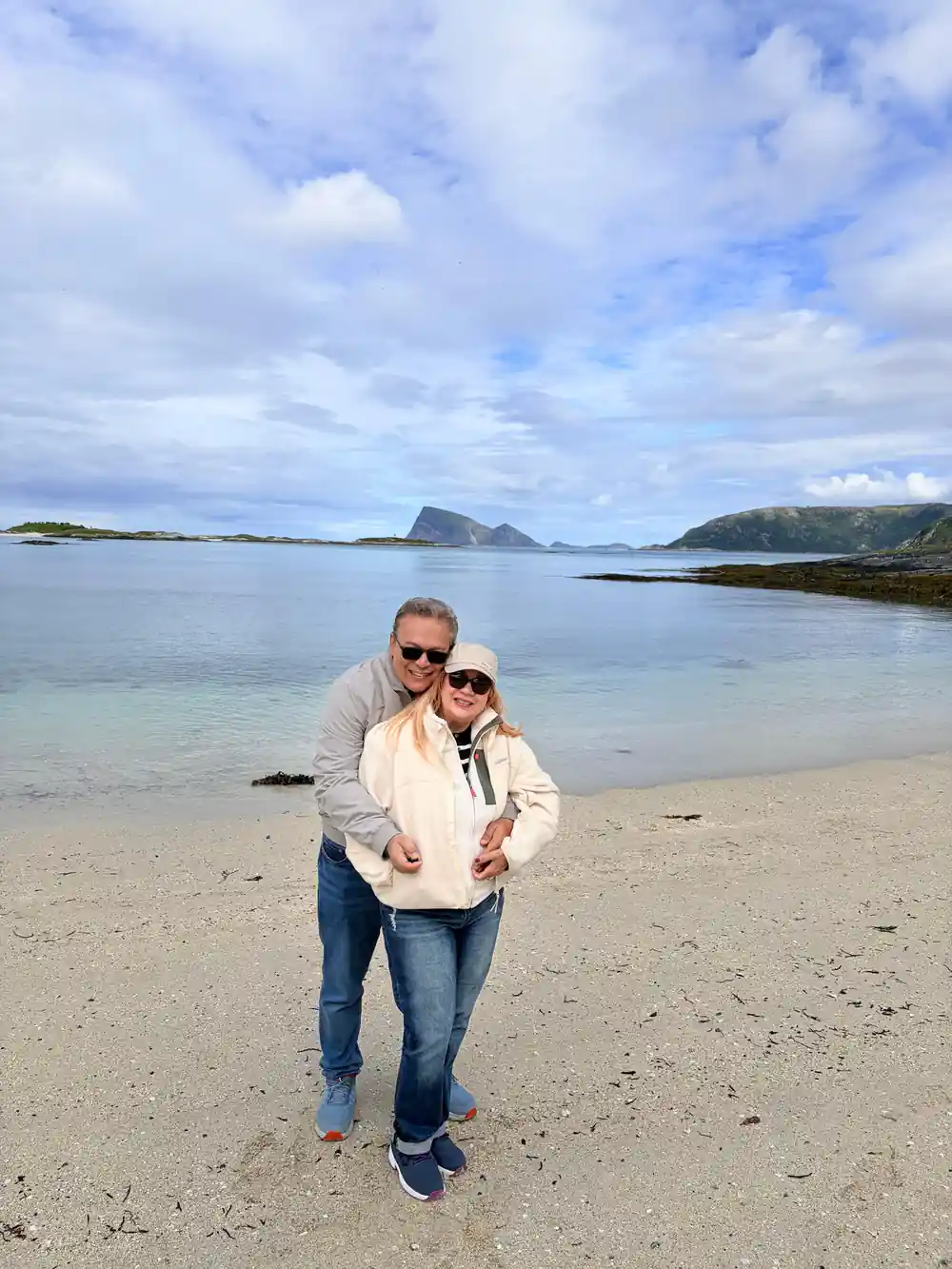
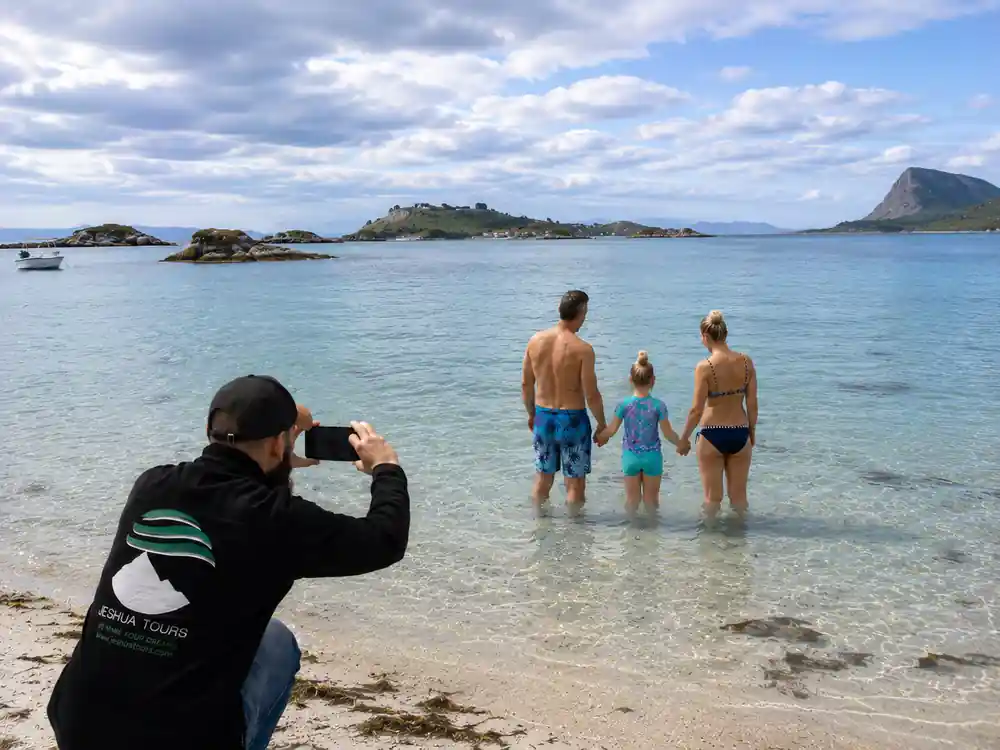
A road tour asks as much or as little of you as you want to give. At Sommarøy, the brilliant turquoise water and white sand are a short walk from where the coach stops, and even a brief wander along the shore lets you feel the place properly.
If the cold bites, stay on board and watch the world go by from your seat. If the sun is out, follow the guide, breathe the Arctic air and take the pictures you came for. The tour's photographs show people in red swim caps in the sea; on a mild day a dip is not out of the question, but it is never required. Children and grandparents alike can set their own pace.
That flexibility is rare. On a boat you are committed to the deck and the timetable; on a coach you can moderate how much wind, snow and walking you want in your afternoon. For families and older travellers especially, that makes a difference.
So which suits you
For many visitors, the answer is the coach. It suits a short stay, a tight budget and a cold day, and it delivers the fjord scenery, the island atmosphere and a memorable meal in a single afternoon. You get the Arctic without the fuss.
Choose a boat when whales or open water are the point. Choose this road tour when you want the Arctic coast as a whole, in comfort and without the risk. Reserve today and pay later; cancel as far as 24 hours ahead for a full refund, and the booking involves little risk.[1]
Either way, you are setting out from a city built for Arctic travel. Tromsø's airport is about 10-20 minutes from the centre, which means even a quick stopover can include a proper fjord day.[2] The hardest part is choosing.
Fjord tour from-prices
From prices in US dollars from GetYourGuide.[1][3][4][14][15]
Fjord tour from-prices compared
From prices in US dollars.[1][3][4][14][15]
Plan your visit window
How to book and go
Reserve online
Book the Sommarøy Fjord Expedition Tour & VIP Salmon Picnic, with reserve now and pay later.[1]
Check the start time
The tour lasts 4.5 hours; start times vary, so confirm availability when you book.[1]
Plan around daylight
In winter the polar night runs about 27 November to 15 January; in summer the midnight sun usually lasts 20 May to 22 July.[5][6]
Dress for the cold
With average winter temperatures near −4°C, wear a hat, gloves, warm layers, and sturdy shoes.[7]
Cancel if plans change
The booking is low risk thanks to free cancellation as much as 24 hours ahead and a full refund.[1]
Ready to trade the boat for the road to Sommarøy?
from US$55Reserve now & pay later