Worth remembering
- Air is your insulation. Build a base layer, a mid layer that traps warmth, and a windproof shell for exposed fjord stops.
- Waterproof boots with grip are the most useful thing you can bring; wet grass, snow and shorelines all appear on the route.
- A hat, neck warmer and mittens over liner gloves keep you comfortable without making photography impossible.
- Polar night runs from around 27 November to 15 January, so a head torch and warm layers matter in deep winter.[1]
- The expedition costs from US$55, lasts 4.5 hours and has free cancellation up to 24 hours in advance.[2]
- Top choice Sommarøy VIP Expedition from US$55 Duration4.5 hours[2]GuideEnglish, Spanish[2]CancellationFree up to 24 hours[2] Check availability
- Fjords Tour from US$121 Duration5 hours[3]GuideEnglish[3]CancellationFree up to 24 hours[3] See this tour
- Arctic Fjord Expedition from US$166 Duration5 hours[4]GuideEnglish[4]CancellationFree up to 24 hours[4] See this tour
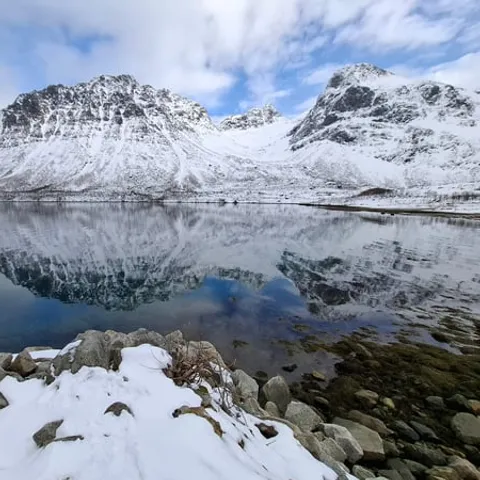
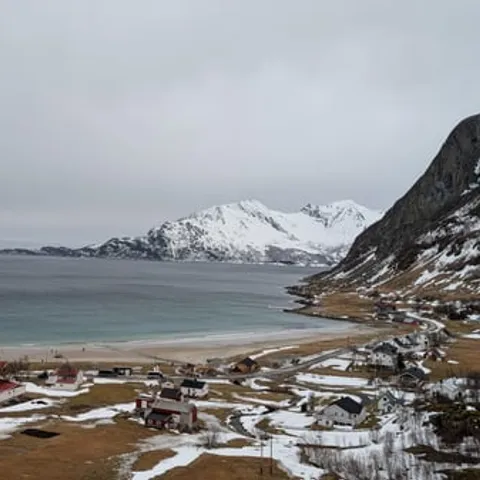
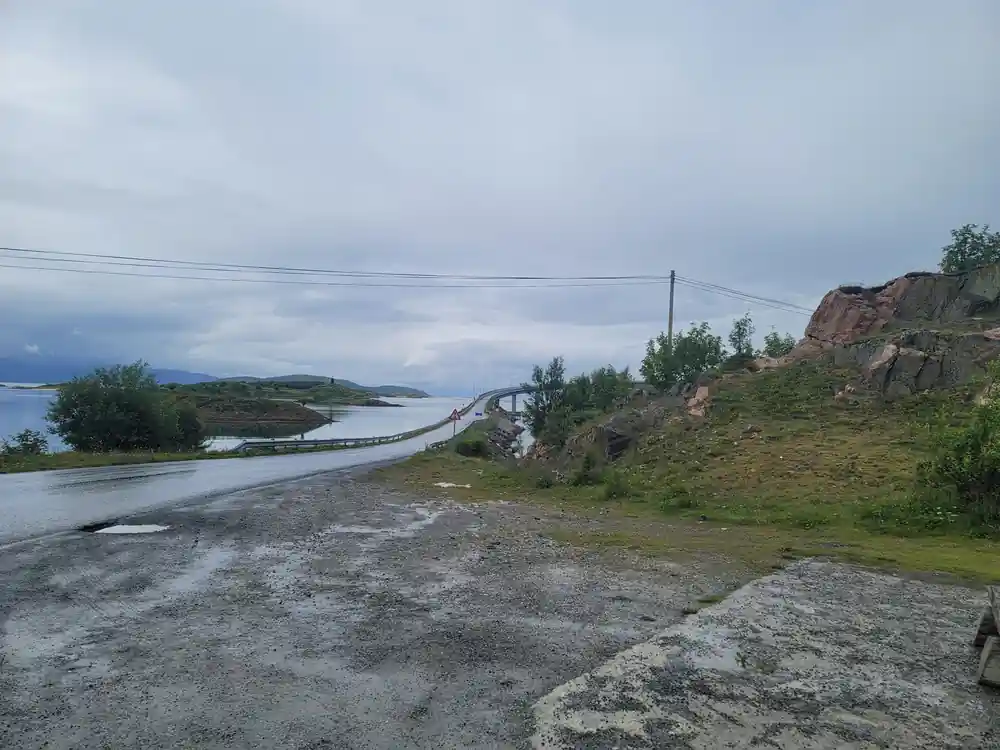
400 km nord for polarsirkelen på 69°N ligger Tromsø, selve inngangsporten til Arktis.
Dress for the fjord, not the thermometer
What to pack
- Thermal base layer and fleece mid layer
- Waterproof boots with good grip
- Sunglasses and sunscreen for snow glare
- Small daypack with thermos and dry bag
Plan the day
- Allow a full afternoon for the outing
- Reserve now and pay later
- Free cancellation if plans change
- Confirm meeting point from your booking
The one thing to understand first
Tromsø sits 400 km north of the Arctic Circle at 69°N, and that changes how you dress even on a calm day.[5] You are not climbing a mountain or crossing polar ice; you are spending 4.5 hours on a fjord expedition with short stops, a salmon picnic, and plenty of time standing still while the scenery does the work.[2] The wind, not the thermometer, is what you are really dressing for.
In Tromsø, winter's average temperature sits around −4°C, a figure that looks manageable on paper.[6] On an exposed shore, with a light breeze, the same air feels much colder. The solution is not to wear one enormous coat, but to wear layers you can adjust through the day. You want to be warm when you step out of the minibus and comfortable again when you are back inside. Think of your clothing as a system: base, insulation, shell, and the right accessories.
This is a 4.5-hour outing, not a full expedition, so you can keep your packing light and still be ready for shifting weather.[2] The tour is guided live in English or Spanish, and an audio guide is included, which means you will spend plenty of time outdoors listening and looking rather than hurrying back to the vehicle.[2] That is exactly when good clothing earns its place.
Layers, and why the middle one matters
I start with a wool or synthetic base layer that sits against the skin and stays dry when you walk. Over that goes the layer that does the heavy lifting: a fleece, a light down jacket, or a thick wool sweater. The middle layer traps air, and air is what keeps you warm. Finish with a windproof and water-resistant shell, because the fjord wind can find its way through anything loosely knitted.
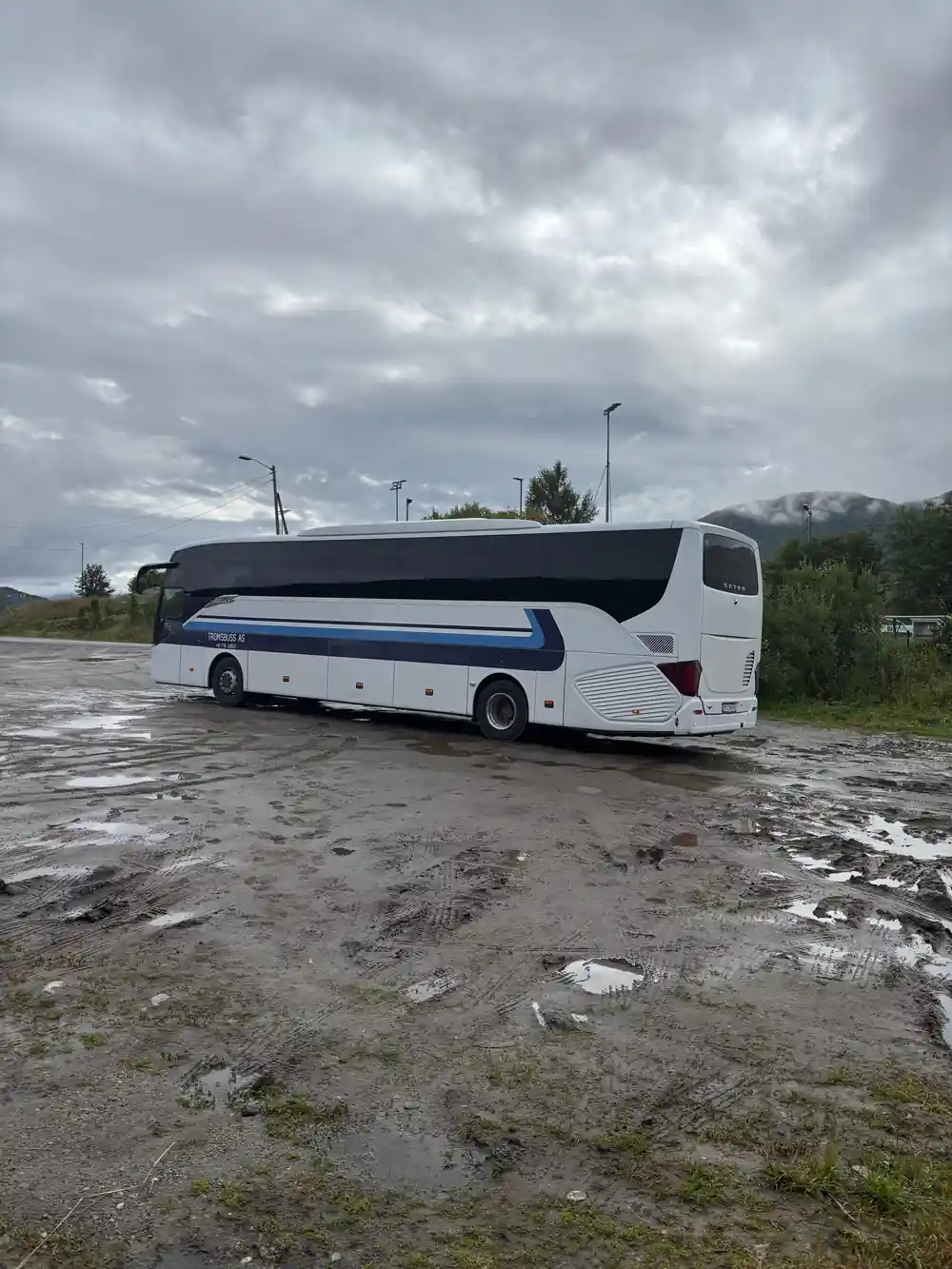
On this tour, you move between a vehicle and outdoor stops, so zip-up layers are more practical than pullovers. If the sun appears, you can open the shell and cool off; if the wind picks up, you can zip it closed. The tour runs 4.5 hours and is guided live in English or Spanish, so there is no rushing, and you have time to adjust your clothing between stops.[2] A small backpack gives you somewhere to store the layers you take off.
A useful test is to dress so that you feel slightly cool indoors and warm within a minute of walking outside. If you are already sweating before the tour starts, you will be wet and cold later. Vents and zips help, and so do fabrics that dry quickly. Remember that the middle layer is the one you will probably take off during the ride, so make sure it is easy to pack without taking up your whole daypack.
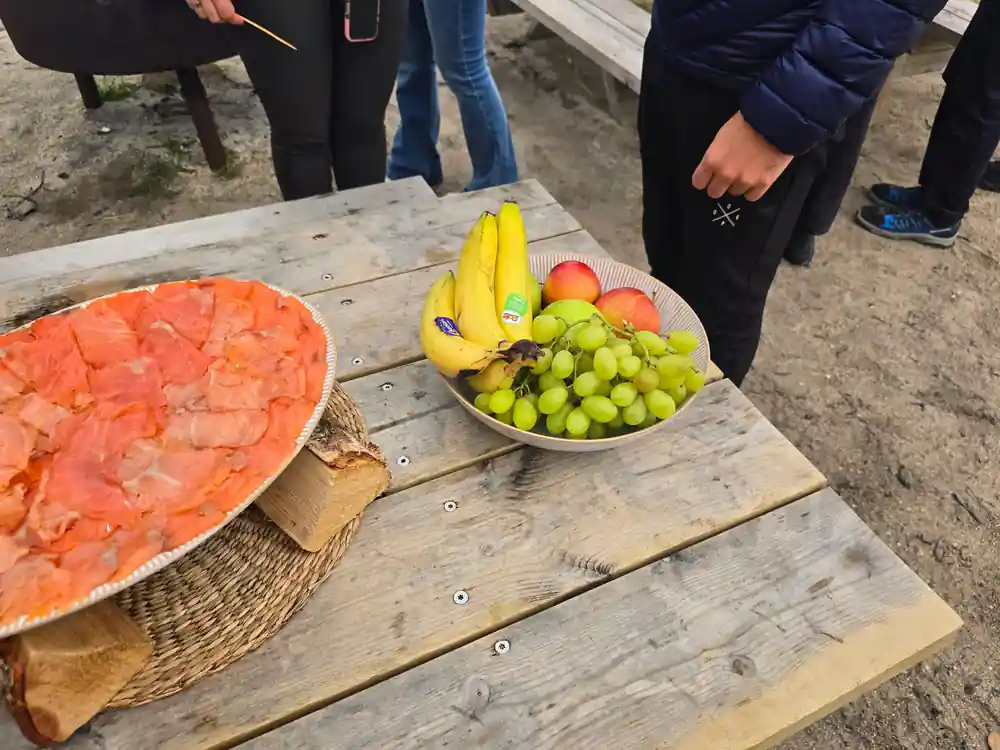
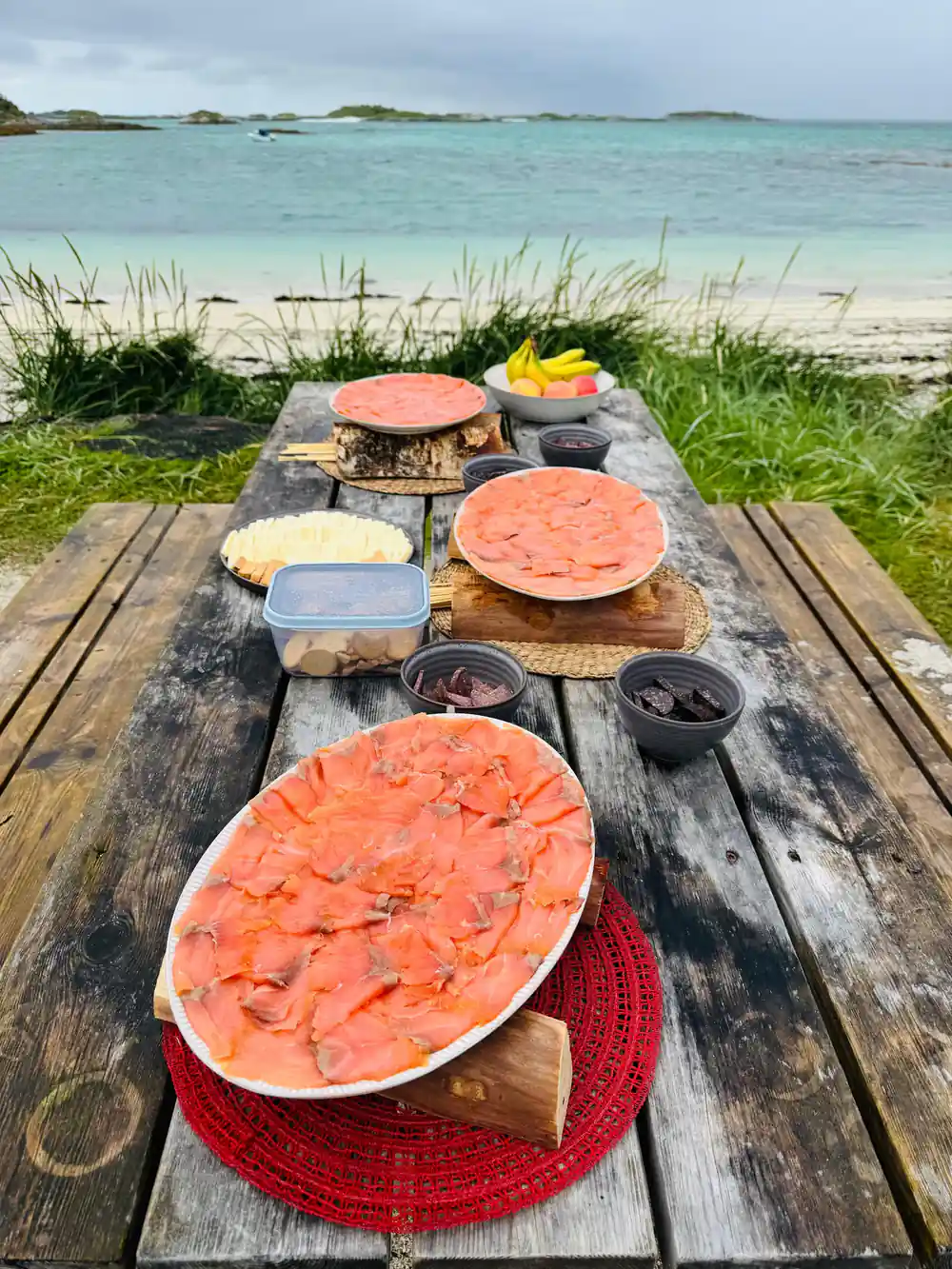
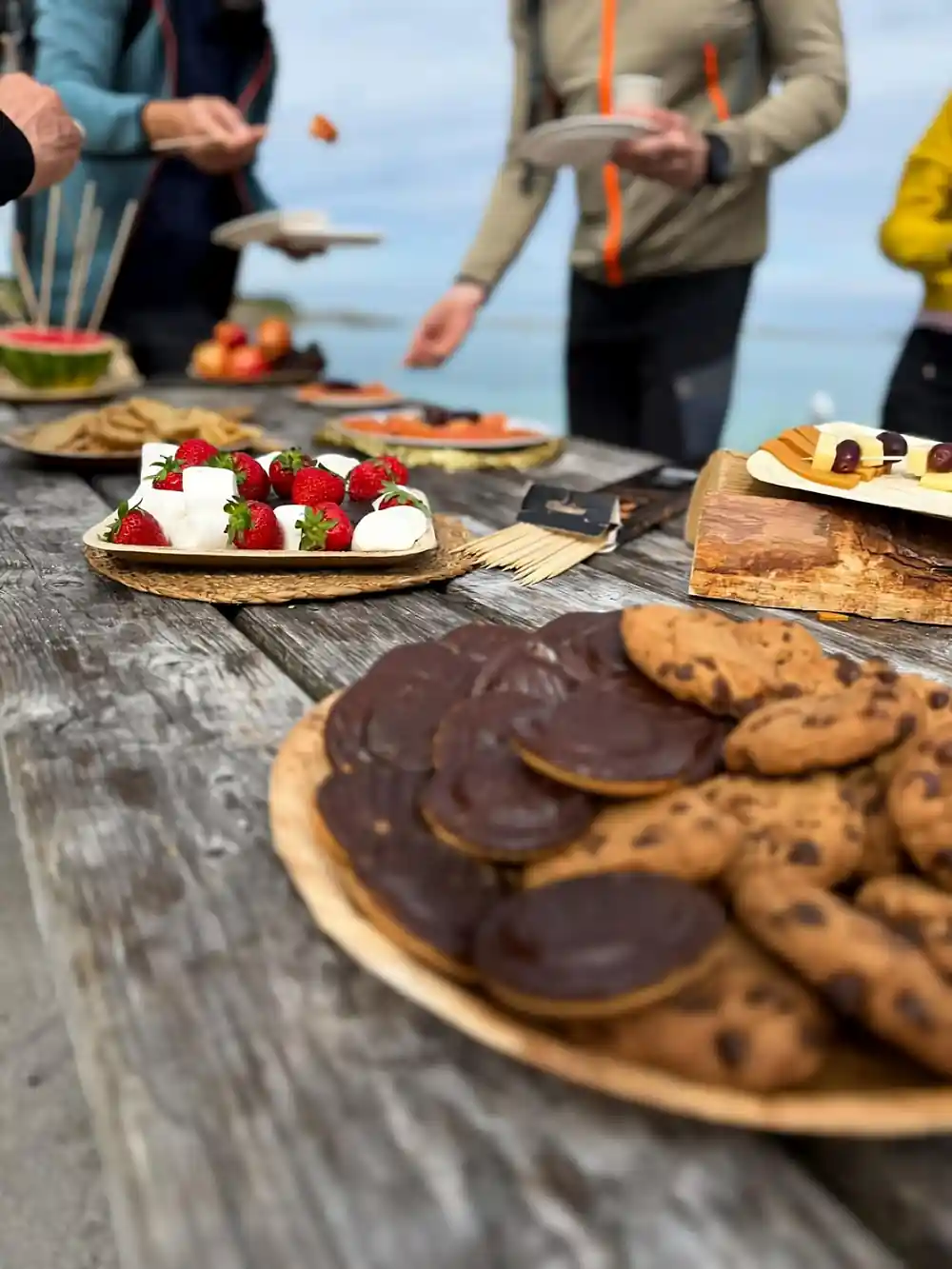
A picnic table spread with salmon, fruit and cookies on a snow-dusted shore.
Feet and the ground you walk on
Your feet matter more than almost anything else. Waterproof boots with a solid tread keep you dry when you step onto snow, wet grass, or the edge of a beach. You do not need heavy expedition boots, but you do need something that covers the ankle and will not slip on a damp boat ramp.
Wool socks are worth the extra weight. They keep warmth even when damp, and they do not feel clammy the way cotton does. If your boots are new, wear them for a day or two before the tour. The tour is the Sommarøy Fjord Expedition Tour & VIP Salmon Picnic, so you will be standing and sitting outdoors while you eat, and cold feet can spoil even a beautiful view.[2]
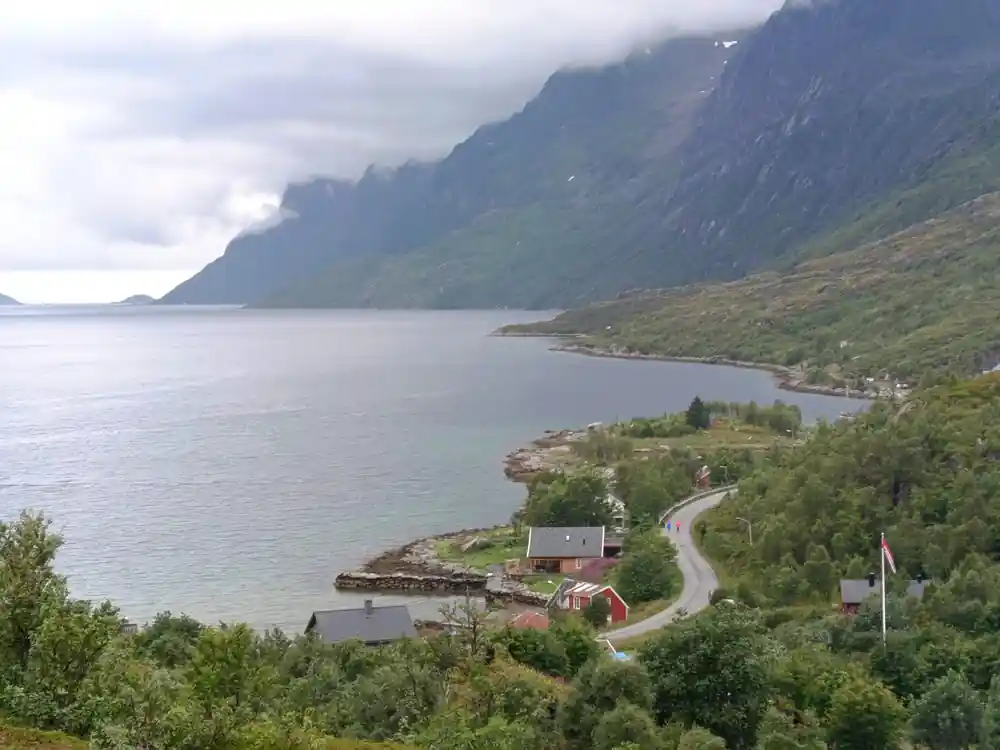
The route to Sommarøy crosses Kvaløya, an island with 737 square kilometers and 13,030 inhabitants.[7] That gives you an idea of how much open ground and shoreline you will cover, and why footing can change from tarmac to snow to wet rock within a few metres. Take a moment to test your boots before the trip; blisters are miserable anywhere, but especially when you are standing around in cold air.
Hands, head and the wind
Your hands and head are where you lose heat first. A beanie or woollen hat, a neck gaiter or scarf, and mittens over thin liner gloves give you the most control. Mittens keep fingers warmer than gloves because they let your fingers share heat, and the liners mean you can take a photo without exposing your skin.
Polar night lasts roughly 27 November to 15 January, meaning much of the tour may happen in twilight or darkness.[1] That is not a problem if you can keep your ears and fingers warm. If you plan to use a phone or camera, bring a touchscreen-compatible liner glove so you do not have to choose between warm hands and taking pictures.
A neck gaiter is more useful than a scarf because it stays put and covers the gap between jacket and hat. If you wear glasses, a buff over your nose keeps them from fogging less than a scarf does, and a peaked cap under a hood keeps rain or snow off your face. For photography, liner gloves with touchscreen fingertips let you adjust settings without exposing your whole hand.
from US$55
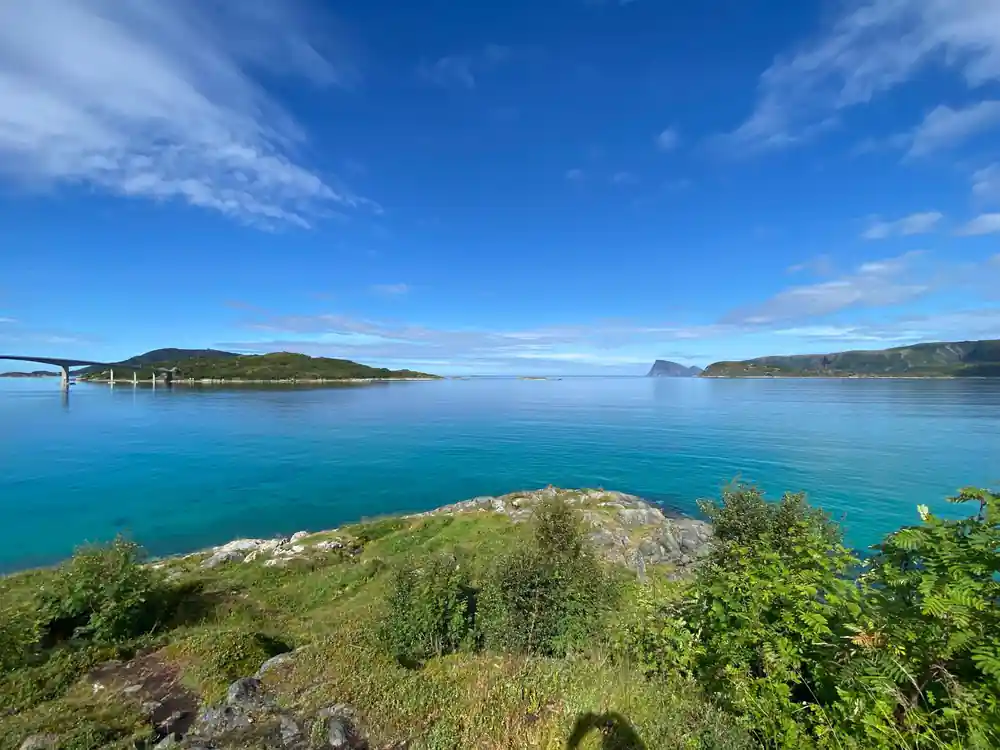
Sommarøy Fjord Expedition Tour & VIP Salmon Picnic is a 4.5-hour fjord day with a salmon picnic and live guide in English or Spanish.[2]
For the swim
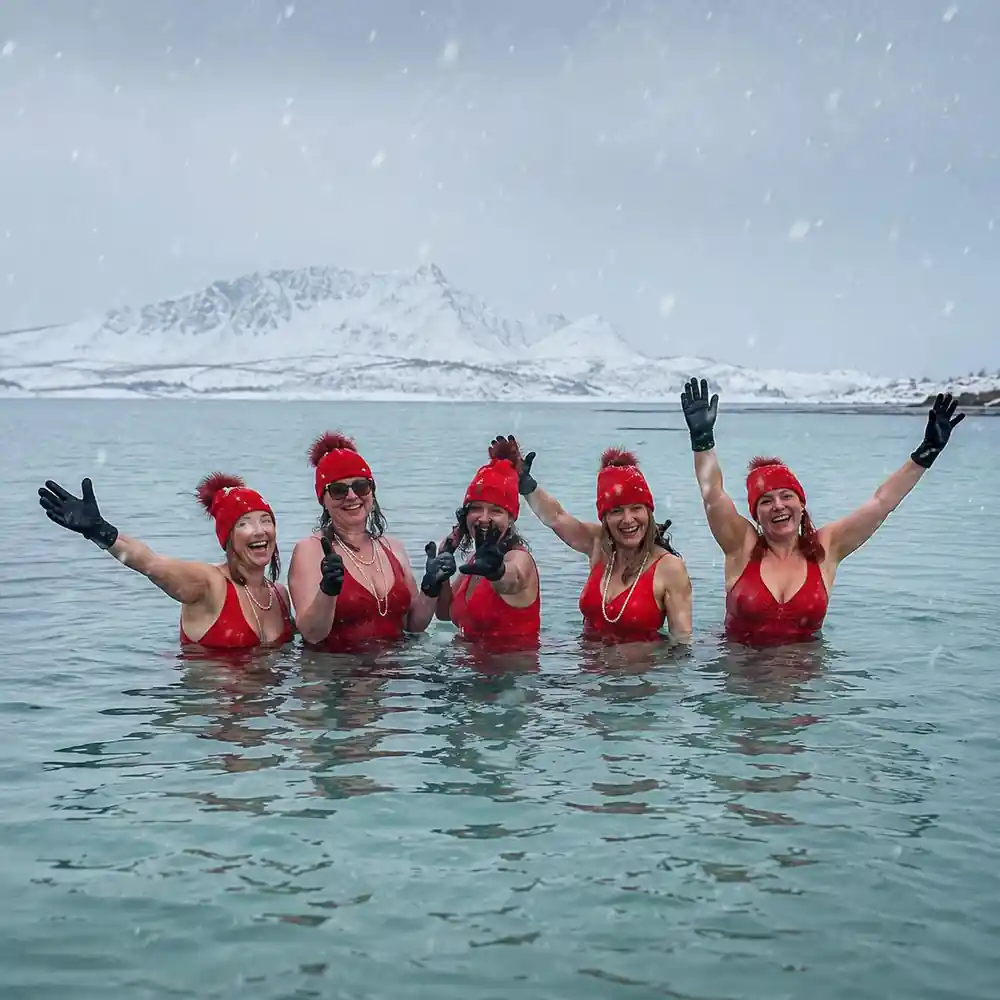
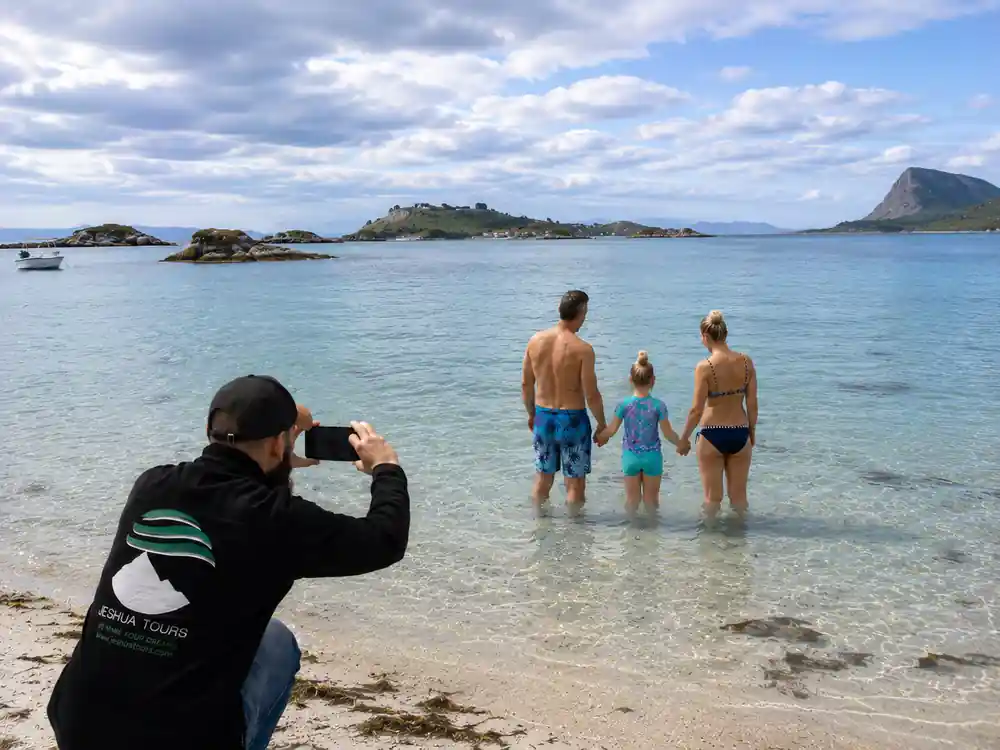
The water here is cold, and the decision to swim is very personal. If you want to try it, bring swimwear you can put on quickly, a big towel, and something warm and loose to pull on afterwards. Flip-flops help on rocky or snowy ground, and a dry bag keeps wet things separate from your wool layers.
You do not need special equipment for a short dip. The people who enjoy it most are usually the ones who have a plan for warming up quickly afterwards. If you skip the swim, the same picnic spot is still beautiful from dry land, and you can spend the time taking photos while everyone else is shivering.
If you do swim, move quickly and have someone ready with a towel. Plan the shortest distance that feels good, and do not stay in long. The memory is usually better than the moment, but the warm cup of tea afterwards is a lovely way to end the stop. If you are not sure, wait until you see the water and decide then; there is no pressure either way.
The optional extras that earn their place
Sunglasses are easy to forget in winter, but snow and low sun make them essential. In summer, the midnight sun usually lasts from around 20 May to 22 July, so you may be outdoors in full daylight at midnight.[8] Sunscreen is not just for warm places; the sun reflects off snow and water, and your face will be exposed during outdoor stops.
A thermos with a hot drink earns its place on any cold day. A small sit mat or dry bag gives you a clean, dry place to sit for the salmon picnic. A power bank is useful if you are using your phone for photos all afternoon. The tour is 4.5 hours long, and you do not want your camera battery to give up during the last stop.[2]
A head torch is worth carrying during the darker months, especially if the expedition runs later in the day. Your phone torch works, but a head torch leaves both hands free for poles, plates or camera settings. Lip balm with SPF and a small hand cream also help because cold wind and dry air take a surprising toll on exposed skin.
What not to bother with
Leave the massive expedition backpack at home. The tour moves by vehicle and stops for short walks and a picnic, so you only need a daypack with room for layers and lunch. Heavy ski goggles, avalanche gear, and specialised mountaineering equipment are overkill, and they make moving between spots awkward.
You also do not need to overthink footwear. Good waterproof boots, not technical climbing boots, are enough. And if you forget something, Tromsø is a proper town with shops, so you can pick up a hat or gloves locally. The airport transfer takes about 10-20 minutes, which means you are never far from the city centre if your packing list has a gap.[9]
When you travel from the airport, getting to the city centre takes around 10-20 minutes, leaving room in your luggage for a last-minute hat or a pair of gloves.[9] What you should leave behind is anything valuable or fragile that you would worry about on a picnic bench. The tour asks for practical, comfortable clothing, not a wardrobe of new gear.
Tour lengths at a glance
Compare from prices
US$ amounts are from.[2][3][4][10]
When to pack for
How to prepare layers
Base layer
Start with wool or synthetic next to the skin. Cotton stays damp and makes you cold.
Mid layer
Add a fleece, down jacket or thick wool sweater. This layer traps the heat that keeps you warm.
Shell
Finish with a windproof, water-resistant jacket. It stops the fjord breeze cutting through.
Feet and hands
Wear waterproof boots with grip, wool socks, a hat and mittens. Cold feet ruin a good view.
Extras
Pack sunglasses, sunscreen, a thermos and a dry bag. A power bank keeps your phone alive for photos.
Ready to dress for the fjord? Book the Sommarøy expedition
from US$55Reserve now & pay later