Worth remembering
- Winter days in Tromsø are short; polar night lasts approximately 27 November to 15 January.[1]
- From around 20 May to 22 July, the sun stays above the horizon and the fjord glows at midnight.[2]
- Northern lights can be seen on dark, clear nights late August through early April.[3]
- In winter, humpback whales and orcas assemble in fjords north of Tromsø to prey on herring.[4]
- The Sommarøy Fjord Expedition Tour from this site takes 4.5 hours, from US$55, with audio guide and live English and Spanish guiding.[5]
| Winter | Spring | Summer | |
|---|---|---|---|
| Daylight | Polar night 27 Nov to 15 Jan[1] | Light returns; aurora may still show until early April[3] | Midnight sun usually 20 May to 22 July[2] |
| Temperature | Average winter around −4°C[6] | Snow still lies in the mountains | Mild arctic summer light |
| Wildlife | Whales gather to feed on herring[4] | Birds return to the cliffs | Seabird colonies and quiet coves |
| Tour day | 4.5-hour expedition[5] | 4.5-hour expedition[5] | 4.5-hour expedition[5] |
The northern lights may be visible in the Tromsø region from late August to early April, whenever the sky is dark and sufficiently clear.
The season picks you
Seasonal facts
The same road, two different countries
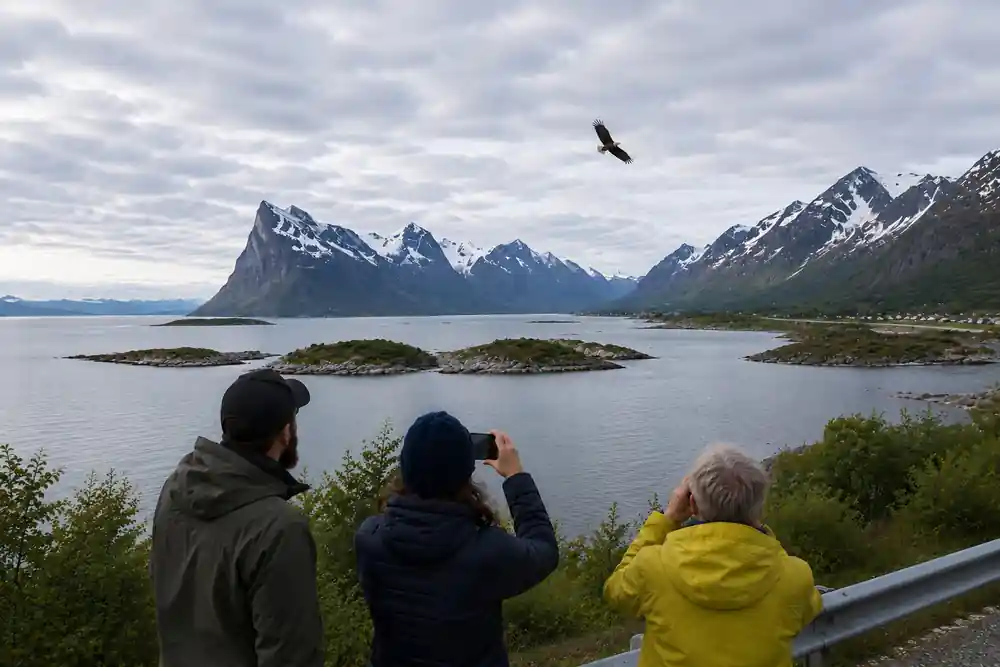
Tromsø sits 400 km north of the Arctic Circle.[7] The road out to Sommarøy crosses Kvaløya, an island of 737 square kilometres with 13,030 inhabitants.[8] In summer the route runs through pale turquoise shallows and white sand; in winter it becomes snow, dark sea and red fishing cabins. Pull over anywhere and the view could be a postcard, but the postcard changes completely with the season.
The same stretch of road feels like a different country across the year. The tour booked from this site takes 4.5 hours.[5] Pay later with a reservation now; free cancellation is offered up to 24 hours before.[5] The bones of the day are simple: coach, fjord views, a picnic, and water that changes colour as the light moves around the horizon.
Dates matter more than weather in the Arctic. The seasons are dramatic but dependable: polar night, returning light, midnight sun, then autumn again. Start with daylight and the rest of the plan falls into place. Each month has its own mood, and none is a compromise if you choose it for the right reason.
Summer and the long light
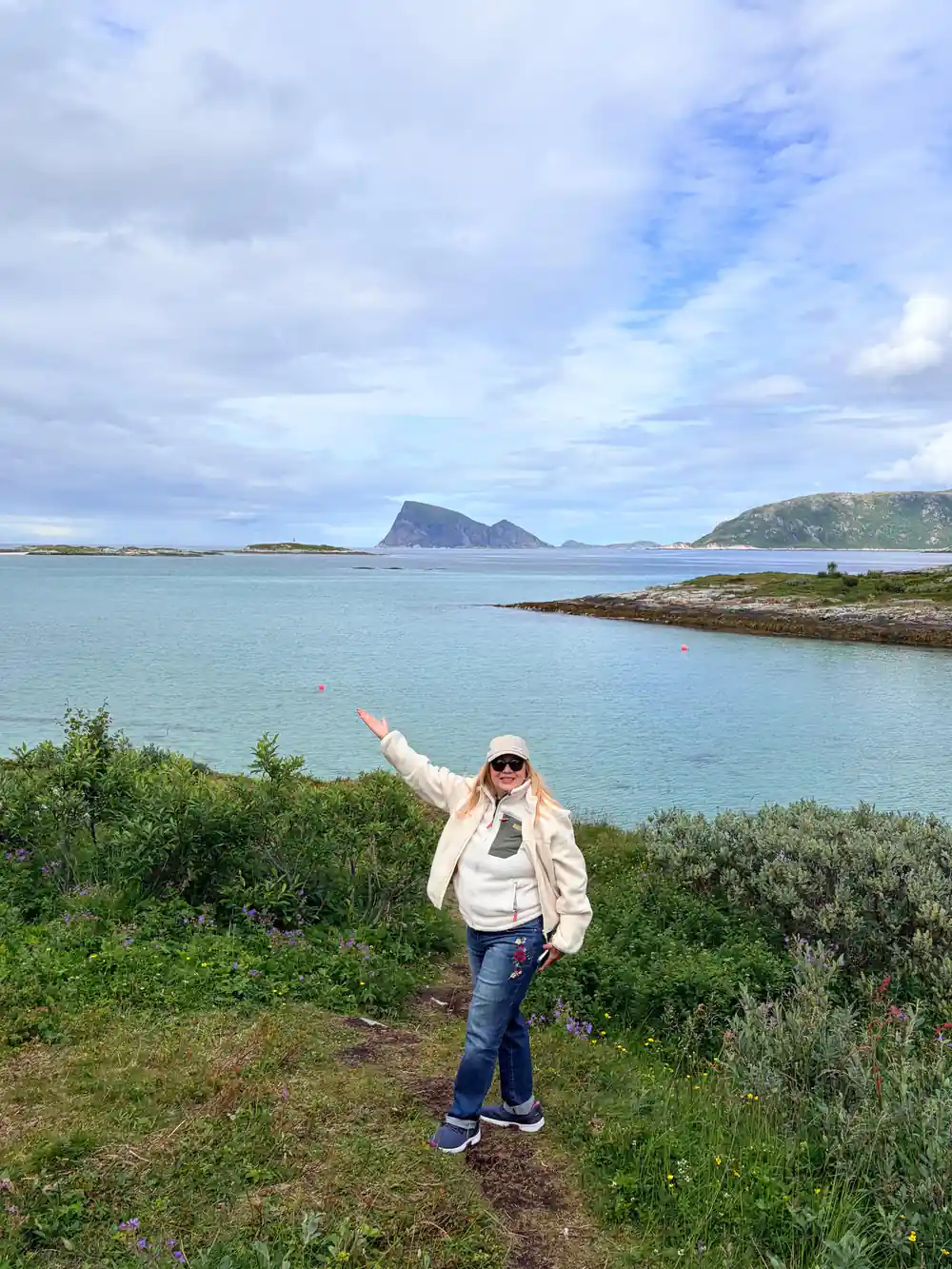
Summer in Tromsø is the season of endless light. Around 20 May to 22 July, the midnight sun typically persists.[2] On the Sommarøy road, sandy coves and turquoise water look even more vivid under a sun that barely moves. The beaches here are the ones you came north to see, and the low evening light makes them glow.
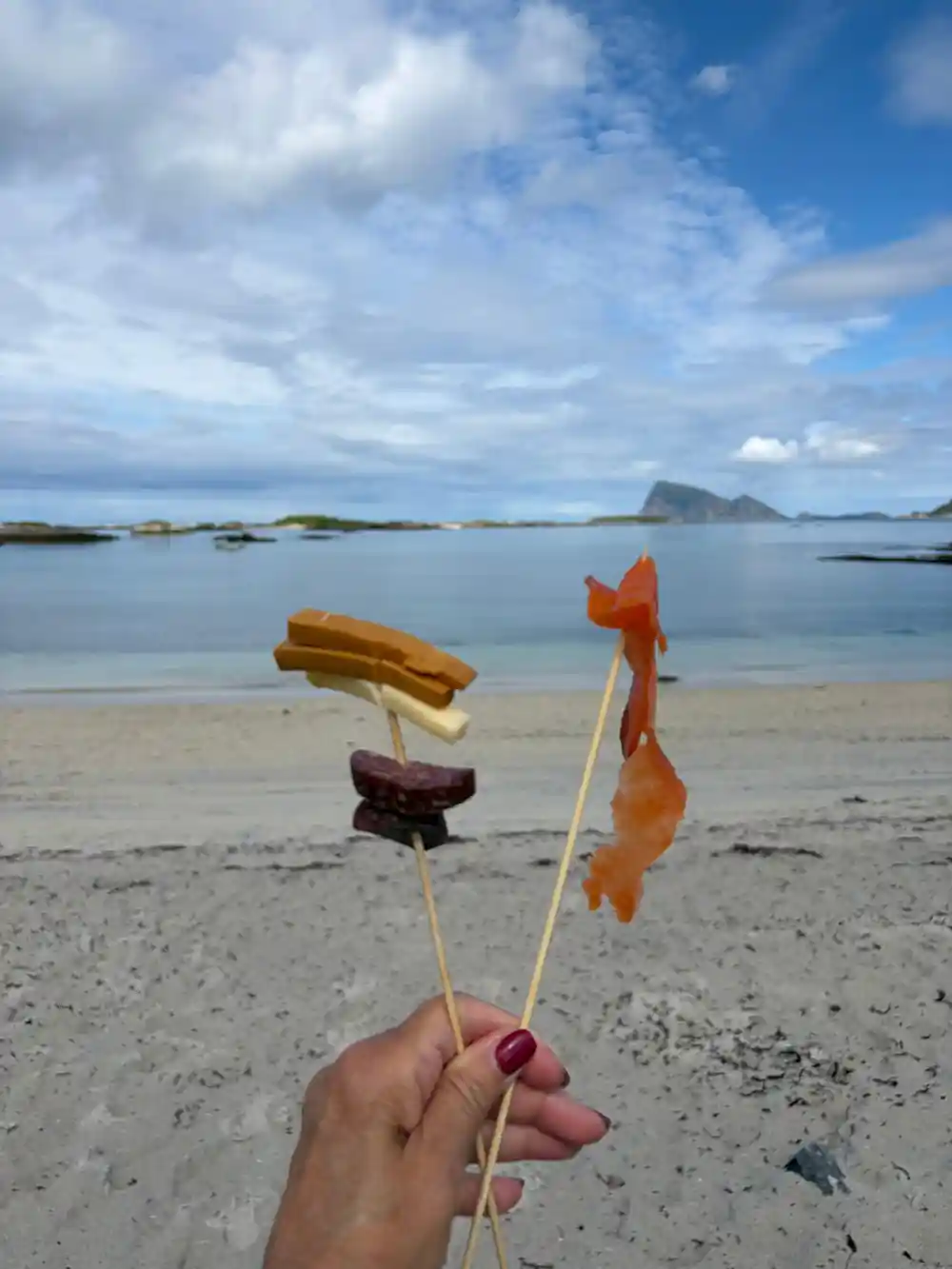
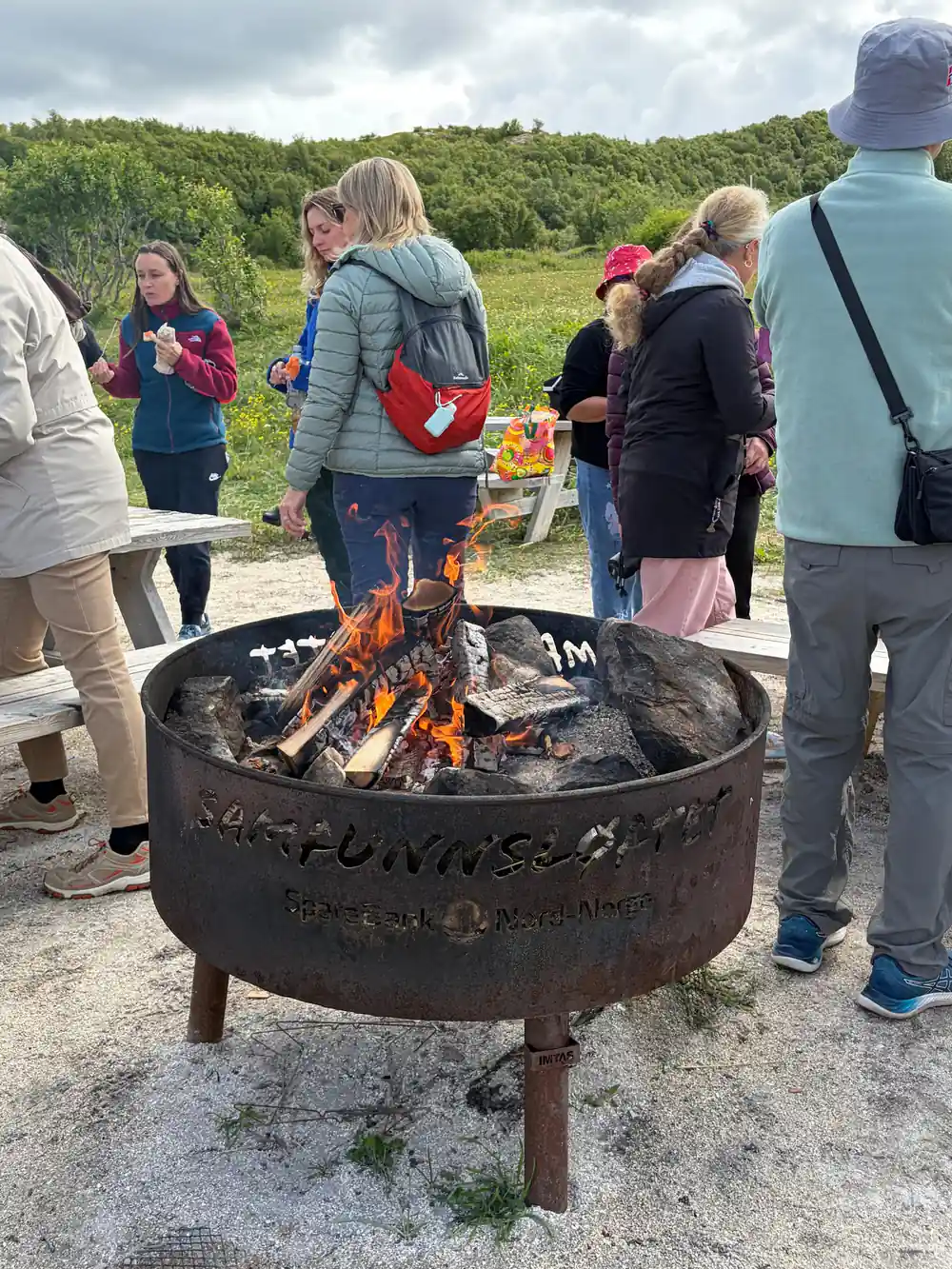
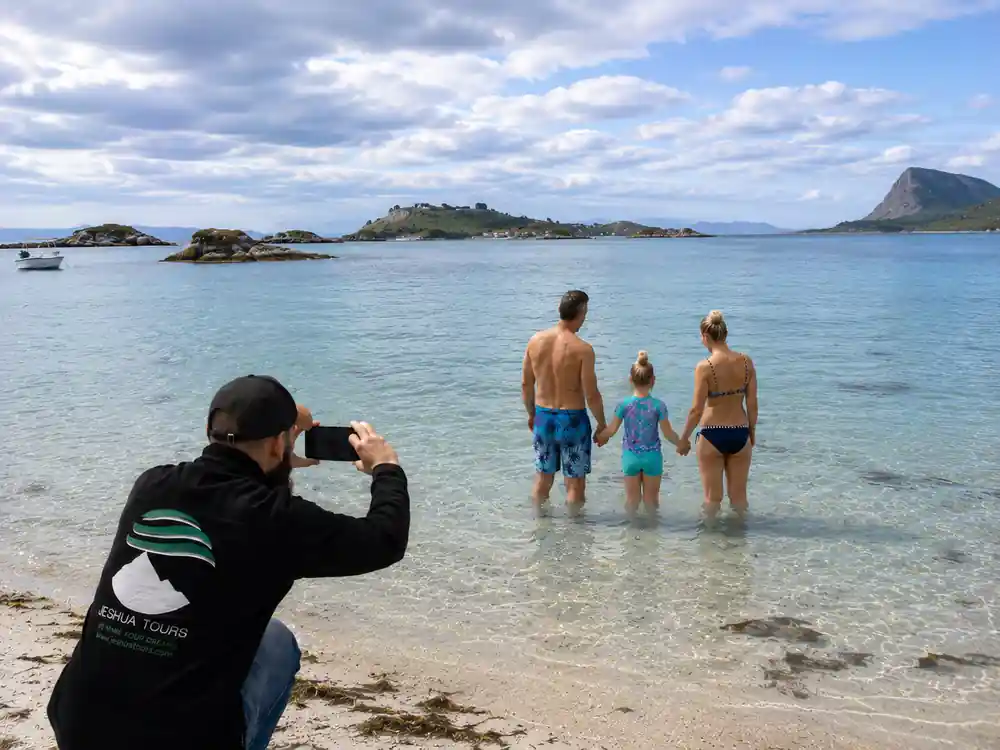
The tour from this site still keeps its 4.5-hour rhythm.[5] The picnic table comes out in daylight, the shallows are calm enough for a slow wander, and the fishing cabins glow red against the green hillside. Take a swim if you are brave; most people prefer a paddle. Either way, the water is the centre of the day.
If you travel outside the midnight sun window, you still get long northern summer evenings. The light is soft late in the evening, and the sea reflects it for hours. Evening is the quietest time on the road, with the tour groups gone and the fjord to yourself. It is also the easiest time to spot wildlife along the shore.
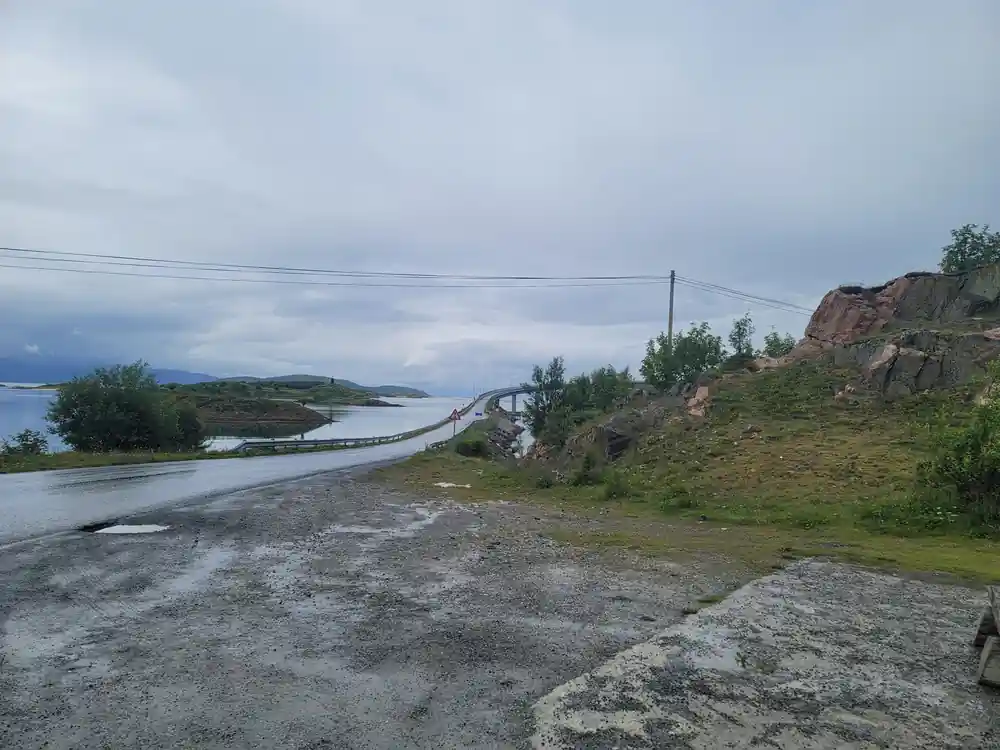
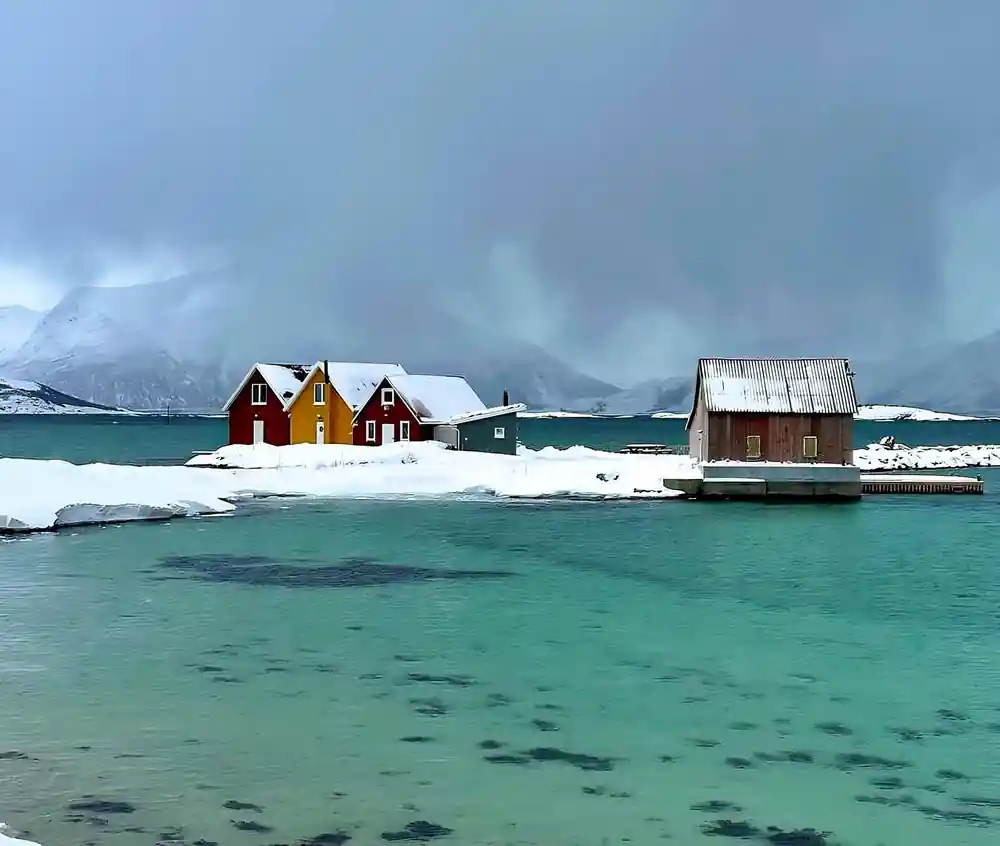
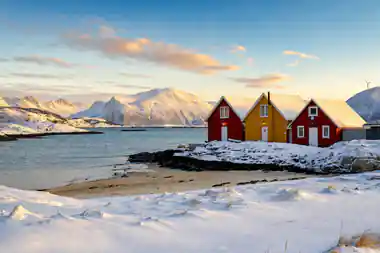
Red fishing cabins on a snowy shore, low winter light over the fjord.
The midnight sun
The midnight sun is the reason many visitors choose summer. From around 20 May to 22 July the sun does not set in Tromsø.[2] You can stand on a beach at midnight without a torch, watching the light slide along the horizon. The fjord loses none of its colour; it just takes on a different, softer tone.
The colour changes all evening: pale gold, then pink, then gold again. The water at Sommarøy is strikingly clear, and in the low angle light the sand looks almost white. It is a landscape for slow meals and long photographs, where the clock stops meaning much.
For photographers, the midnight sun means no chasing golden hour. It arrives before dinner and stays through the night. The same view can look completely different as the sun rolls along the horizon, and it pays to stay late. This is the one season when you can leave the camera out all day.
Winter and the polar night
Winter is the polar night. Tromsø experiences polar night from around 27 November to 15 January.[1] That does not mean pitch darkness; it means a long blue twilight around midday, with snow reflecting whatever light there is. The light is soft, muted and strangely peaceful, and it changes by the minute.
In Tromsø, winter temperatures average about −4°C.[6] On a fjord road, sea wind can make it feel colder, and a warm coat, hat and gloves are essential. The middle of the day is the brightest moment, and the picnic becomes a small celebration in the blue light. Keep your camera ready; winter colours are subtle but unforgettable.
In September/October, Norwegian spring-spawning herring travel northeast toward their primary wintering sites in fjords and waters off northern Norway's coast.[9] In the fjords north of Tromsø, orcas and humpback whales gather to feed on herring.[4] On land, the Sommarøy road is a chain of snow-covered islands and red fishing cabins, each one a warm spot in a cold landscape.
from US$55
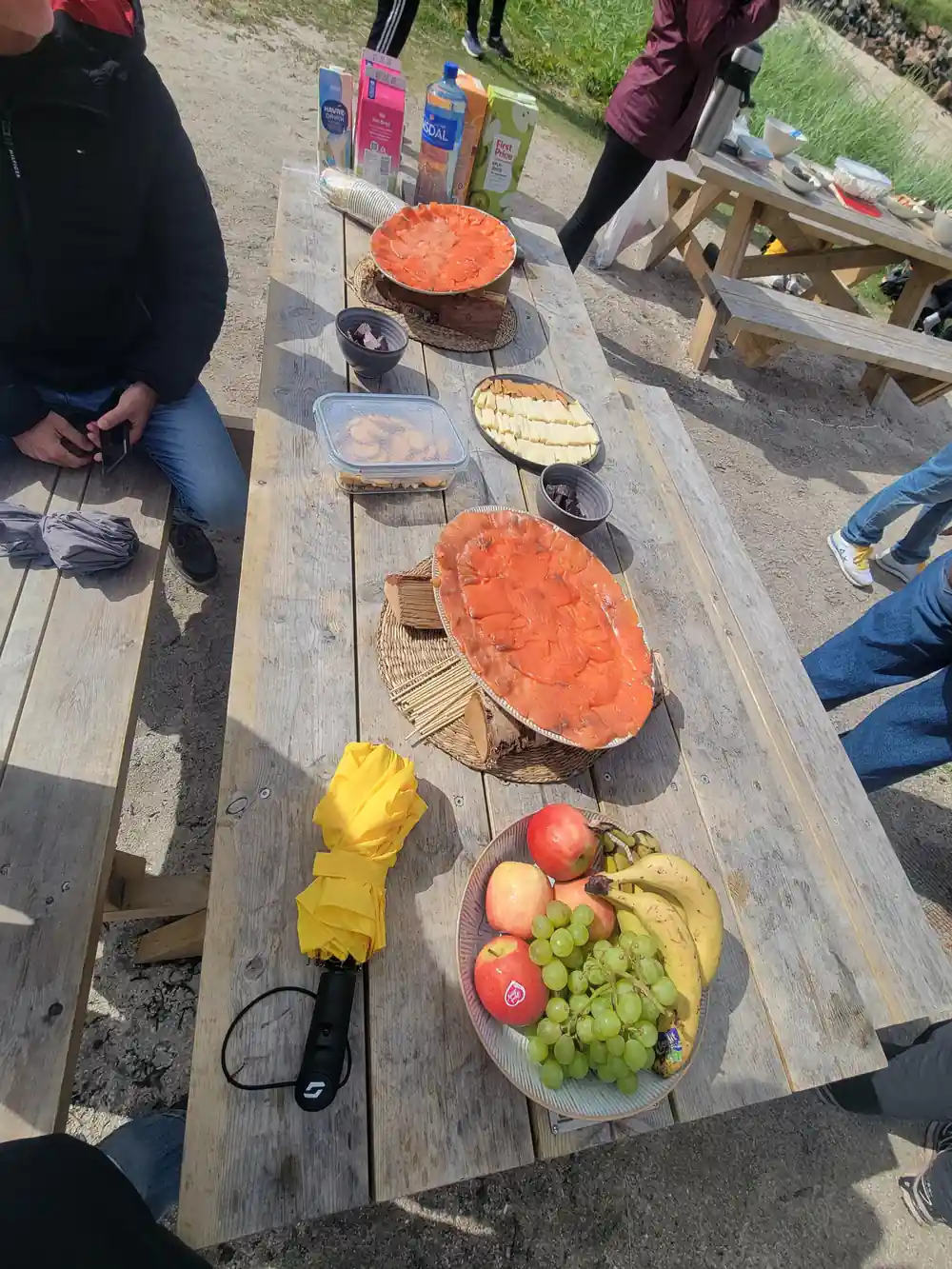
The Sommarøy Fjord Expedition Tour & VIP Salmon Picnic, the tour booked from this site, costs from US$55 and lasts 4.5 hours.[5]
Spring and returning light
Spring is the season of returning light. The polar night ends, the days stretch, and snow still caps the mountains. In the Tromsø region, the northern lights can appear late August through early April whenever darkness and clear skies prevail.[3] The first months of spring fall inside that window.
This is a lovely time for the fjord tour from this site. The road is quieter, the snow is deep in the hills, and the sea is often glassy. You still need warm layers, but the longer daylight makes photography easier and the colours of the fjord start to return. The light has a sharp, clean edge that summer never quite matches.
By late spring, the midnight sun window is close. From around 20 May to 22 July the sun does not set.[2] Spring is the bridge between the two great lights, and the mountains still hold snow when the beaches begin to warm. It rewards travellers who come for the quiet days before the crowds.
What the season changes about the day itself
The Sommarøy Fjord Expedition Tour & VIP Salmon Picnic lasts 4.5 hours.[5] The route is the same wherever you travel, but the character of each stop changes with the light. In summer you might wade in the shallows; in winter you stay on snow-dusted paths. Either way, the sea is the constant companion.
The tour includes an audio guide and a live guide who speaks English and Spanish.[5] From this site it is priced from US$55.[5] You may book immediately, pay afterward, and cancel without charge up to 24 hours before.[5] That flexibility is useful when the forecast is uncertain; a clear sky makes every season better.
These details stay the same all year. What changes is what you see and how you pack. In summer you need sun cream and a swimsuit; in winter you need thermal layers and something windproof. The tour itself does the same work in every season, but the fjord does the performing.
So which month
There is no single answer, only a season that fits you. Choose summer if you want the midnight sun, which usually lasts from 20 May to 22 July.[2] Choose winter if you want polar night and whale-watching waters, remembering that polar night lasts approximately 27 November to 15 January.[1]
If the northern lights are the priority, remember sightings are possible late August through early April.[3] The daytime fjord tour works well alongside a night hunt, and the 4.5-hour length leaves your evening free.[5] Spring is often the sweet spot: aurora chances remain, daylight is returning, and the roads are quiet.
Whichever month you pick, build the trip around light. Tromsø is 400 km north of the Arctic Circle.[7] The light is the landscape, and the fjord tour will meet you there in every season. All you need to do is choose the kind of light you want to remember.
Fjord tour durations
Compare Sommarøy tour prices
US dollar from-prices for GetYourGuide listings.[5][10][12][13]
When to go
Plan your trip
Pick your light
The day you choose decides whether you see polar night, midnight sun or aurora season. Start with daylight.
Check the tour calendar
Check availability to see starting times for the tour.[5]
Pack for the fjord
Warm layers, a hat and gloves make the difference on a 4.5-hour tour.[5]
Keep evenings free
The tour takes 4.5 hours.[5] If you are chasing aurora, leave the night open.
Book with flexibility
Make your reservation now, settle payment afterward, and cancellation is free until 24 hours before.[5]
Find your date for the Sommarøy Fjord Expedition Tour
from US$55Reserve now & pay later